Bathroom Tub Renovation: The Complete Decision Guide
Your bathtub is worn, stained, or simply outdated — now you need to decide whether to refinish, reline, or replace it. This guide breaks down every option, the materials involved, the pros and cons of each path, and how to plan a renovation that delivers lasting results without unnecessary demolition.
What This Guide Covers
First, Assess the Condition of Your Bathtub
Before choosing a renovation path, evaluate what you are actually dealing with. The right decision hinges on the tub's structural integrity, its material, and how much of the surrounding bathroom you are willing to disturb. A tub that is structurally sound but cosmetically tired is a strong candidate for refinishing or lining, while a tub with cracks, soft spots, or leaks usually demands replacement.
Check for these signals: visible cracks that catch a fingernail, flexing or softness underfoot when standing inside the tub, rust spots that reappear after cleaning, persistent mold in caulk lines that suggests water intrusion behind the tub, and peeling or chalking surfaces. If any of these are present, a surface-only fix will not solve the underlying problem. For a broader view of how tub work fits into a larger project, see our guide to bathroom renovation and the bathroom remodel planning overview.
Also consider the tub's material. Cast iron and solid acrylic tubs are excellent candidates for refinishing because they are rigid. Fiberglass and thin acrylic shells that have flexed over time may not hold a refinish well and are often better replaced. If you are weighing a full bathroom upgrade versus a tub-focused project, our bathroom makeover guide and bathroom upgrades article will help you frame the decision.
Bathroom Tub Renovation Options Compared
There are three primary paths for renovating a bathtub: refinishing (reglazing), installing a liner, or replacing the tub entirely. Each has a distinct sweet spot. The table below summarizes them at a glance using quality-tier descriptors rather than price, so the comparison stays useful over time.
| Option | Best For | Disruption Level | Durability Tier |
|---|---|---|---|
| Refinishing / Reglazing | Sound tub with cosmetic wear, staining, or dated color | Low — one to two days, no demolition | Mid-range (10–15 years with care) |
| Tub Liner / Overlay | Covering chips, cracks, and imperfections without demolition | Low to moderate — custom measured, installed in a day | Premium (thicker shell, longer lifespan) |
| Full Replacement | Cracked, leaking, or structurally failing tub; changing size or layout | High — demolition, plumbing, tile work | Premium (new material, full warranty) |
Refinishing and Reglazing: The Cosmetic Refresh
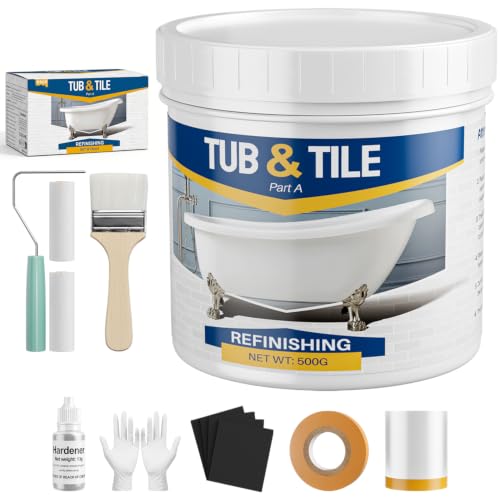
Refinishing, also called reglazing, applies a new coating over the existing tub surface. A professional will clean and etch the surface, repair chips, apply a bonding agent, and spray or roll on a durable topcoat — typically a polyurethane or acrylic-based finish. The result is a smooth, glossy surface that looks and feels like a new tub.
This is the least invasive option. There is no demolition, no plumbing work, and the bathroom is usable again within a day or two after curing. It is ideal for cast iron and solid acrylic tubs where only the finish has failed. The trade-off is that a refinish is a coating, not a structural fix — it will not repair a flexing floor or a tub that is separating from the wall. Expect the finish to last around a decade when cleaned with mild products; abrasive pads and harsh chemicals will shorten its life.
If you are hiring this out, look for specialists who warranty their work and prepare the surface properly — surface prep is the single biggest factor in how long the finish lasts. Our bathroom refinishers page explains what to look for when vetting a provider, and our bathroom repair guide covers related fixes you may want to bundle into the same visit.
When Refinishing Is the Smart Choice
- The tub is rigid and does not flex underfoot.
- There are no cracks penetrating the shell, only surface wear.
- You want to keep the existing tile and layout intact.
- You are preparing a home for sale and want a fresh look quickly.
Tub Liners: A New Shell Over the Old One
A tub liner is a custom-molded acrylic shell that is bonded over the existing tub. Because it is thicker than a refinishing coat, it can hide chips, cracks, and discoloration that a coating cannot. Liners are measured to your exact tub, manufactured off-site, and typically installed in a single day. They are a strong middle-ground option: more durable than a refinish and far less disruptive than a full replacement.
The main caveat is that a liner covers rather than solves structural problems. If the original tub is soft, leaking, or improperly supported, a liner can trap moisture and make matters worse. Liners also reduce the interior dimensions of the tub slightly, which matters in compact bathrooms. For bathroom layouts where space is tight, review our bathroom remodel with walk-in shower guide to see how liners compare with a shower conversion.
Liners pair well with a broader refresh. If you are updating walls and surround at the same time, our bathtub walls article explains surround options that complement a liner installation.
Full Replacement: When the Tub Has to Go
Replacement is the right call when the tub is cracked through, leaking, flexing, or when you want to change the size, material, or configuration. It is also the moment to consider converting a tub-shower combo into a walk-in shower, which many homeowners prefer for accessibility and resale appeal. Replacement involves removing the old tub, inspecting and often updating the drain and overflow plumbing, setting the new tub, and repairing or replacing the surrounding tile and drywall.
Because replacement is a demolition project, it is the most expensive and disruptive option — but it delivers a genuinely new fixture with a full warranty and no hidden compromises. If you are evaluating whether to replace or remove the tub entirely, our bathroom tub to shower remodel guide walks through the conversion decision. For a sense of how replacement fits into a larger budget conversation, see average cost for a bathroom renovation and the bathroom renovation costs breakdown.
What Replacement Typically Involves
- Protect the home and remove the old tub and surround.
- Inspect and update the drain, overflow, and supply lines.
- Set and level the new tub on a proper mortar or support base.
- Repair or replace tile, drywall, and waterproofing.
- Finish with caulking, trim, and a full water test.
Material Choices for a New or Refinished Tub
If you are replacing, the material determines the feel, durability, and maintenance of the tub for years to come. Acrylic is the most common choice: lightweight, warm to the touch, and available in many shapes. Cast iron is heavy and extremely durable, holds heat well, and takes a refinish beautifully. Fiberglass is the entry-level option — lightweight and budget-friendly but prone to flexing and surface wear over time. Solid-surface and stone-resin tubs sit in the premium tier, offering a substantial feel and excellent heat retention.
For a renovating homeowner, the practical rule is this: entry-level fiberglass tubs are best replaced rather than refinished when they begin to flex; mid-range acrylic tubs are strong refinishing candidates; and premium cast iron or solid-surface tubs are worth restoring because their core is built to last decades.
Step-by-Step Bathroom Tub Renovation Process
Whether you refinish, line, or replace, a well-run project follows a similar planning arc. The difference is in the execution phase.
- Inspect and document. Photograph the tub, note cracks, flexing, and water stains, and check the caulk lines and drain for leaks.
- Choose the path. Match the option to the tub's condition using the comparison above. Sound shell plus cosmetic wear equals refinish or liner; structural failure equals replacement.
- Plan the scope. Decide whether you will also refresh the surround, faucet, and flooring to avoid doing two projects back to back.
- Get qualified quotes. For refinishing and liners, use specialists who warranty their work. For replacement, confirm the contractor handles plumbing and tile repair.
- Prepare the space. Clear the bathroom, protect adjacent rooms, and plan for a few days of downtime depending on the option chosen.
- Execute and cure. Follow the cure-time instructions precisely — this is critical for refinishing and liner adhesives.
- Test and maintain. Run a full water test, check drainage, and switch to mild cleaners to protect the new surface.
Cost Factors and Return on Investment
Rather than quoting figures that age quickly, think in terms of relative cost tiers and value. Refinishing sits in the affordable tier and delivers the highest visual return per unit of disruption. Liners sit in the mid-tier and trade a higher upfront cost for a thicker, longer-lasting shell. Replacement is the top-tier investment — the most expensive and disruptive option, but the one that fully resets the fixture and often improves resale appeal.
Your actual project cost will depend on the tub material, whether plumbing needs updating, how much tile work is required, and local labor markets. If you want a structured way to estimate your own project, our bathroom renovation cost calculator and bathroom remodeling cost calculator walk through the inputs. For a budget-focused approach, see bathroom renovation on a budget and bathroom remodeling on a budget.
From a resale standpoint, a bathroom refresh is one of the more reliable value-add projects. Our best home improvements for return on investment and best things to do to add value to your home guides explain how bathroom work fits into a broader value strategy.
Frequently Asked Questions
Is it better to refinish or replace a bathtub?
Refinishing is ideal when the tub structure is sound but the surface is worn, stained, or dated. Replacement makes more sense when the tub is cracked, leaking, or when you want to change the size, shape, or material entirely. Consider your long-term plans and the condition of surrounding tiles before deciding.
How long does a bathtub refinishing job last?
A professional refinishing job typically lasts between 10 and 15 years with proper care. Using mild cleaners and avoiding abrasive pads will significantly extend the life of the finish. DIY kits usually last far less and are best treated as temporary solutions.
Can I replace just the tub without replacing the surrounding tiles?
In many cases yes, especially if the new tub is the same size and model as the old one. However, removing an existing tub often damages adjacent tile or drywall, so it is wise to budget for at least minor repairs. A tub liner is an alternative that avoids demolition entirely.
What is the difference between a tub liner and refinishing?
Refinishing applies a new coating directly over the existing surface, while a liner is a custom-molded acrylic shell installed over the old tub. Liners are thicker and can cover major imperfections, while refinishing is usually faster and less invasive. Both can be completed by professionals.
How do I choose the right contractor for a tub renovation?
Ask for proof of experience with your specific option — refinishers and liner installers are specialists, not generalists. Request a written warranty, check reviews, and confirm the contractor handles surface preparation properly. Our best way to find a contractor for bathroom remodeling guide and bathroom remodeling contractor overview outline the vetting steps in detail.
Ready to Plan Your Tub Renovation?
Compare your options, set a realistic scope, and choose the path that matches the condition of your tub. The right decision today saves disruption and expense tomorrow.
Explore Full Bathroom Renovation Guides