Build the Perfect Planter Box: DIY & Buying Guide
From selecting materials to step-by-step construction and choosing the best pre-made planters – transform your garden or patio with confidence.
Start Your Planter Project🌿 Why Planter Boxes? Whether you're growing vegetables, herbs, or flowers, a well-built planter box elevates your gardening experience. It improves drainage, protects plants from pests, and adds aesthetic value to any outdoor space. This guide covers everything from DIY builds to the best commercial options.
Planter Boxes 101: Materials, Design, and Construction
Before you start building or buying, it's essential to understand the key components of a durable planter box. The right wood selection and proper joinery ensure longevity and resistance to weather. For beginners, we recommend starting with cedar or redwood, as they are naturally rot-resistant.
1. Choosing the Right Materials
The material you choose impacts both the look and lifespan of your planter. Pressure-treated lumber is budget-friendly but consider using a liner to avoid chemical leaching. For a premium finish, hardwoods like teak or ipe are excellent but costly. Always use exterior-grade screws and consider waterproof wood glue for added stability.
2. Step-by-Step DIY Planter Box
Building your own planter box is a rewarding project. Here's a simplified process:
- Plan & Measure: Decide on dimensions (e.g., 48"x24"x24"). Sketch your design and calculate lumber needs.
- Cut Lumber: Using a circular saw or miter saw, cut your pieces according to plan.
- Assemble: Pre-drill holes and use exterior screws. A clamp helps hold pieces together while assembling.
- Add Drainage: Drill ½-inch holes in the bottom. Elevate the box slightly for airflow.
- Finish: Apply a non-toxic sealant or stain for protection. Learn more about finishes.
For more detailed plans, check our shelf plans for similar techniques, or explore our workbench plans for sturdy construction methods.
3. Pre-Made Planter Boxes: What to Look For
If you prefer buying ready-made, consider the material (cedar, metal, plastic), size, and drainage features. Look for units with elevated feet to prevent rot and ensure proper water runoff. Many modern planters come with self-watering systems – a great convenience for busy gardeners.
Quick Comparison: Popular Planter Types
| Material | Durability | Price Range | Best For |
|---|---|---|---|
| Cedar | High (rot-resistant) | $120–$300 | Outdoor, natural look |
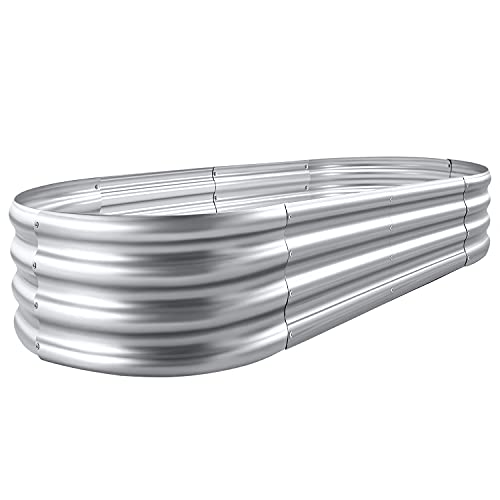
| Metal (Galvanized) | Very High | $150–$400 | Modern, industrial style |
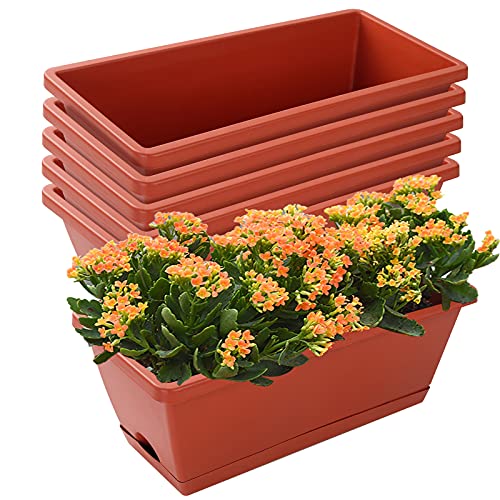
| Plastic/Resin | Moderate | $60–$180 | Lightweight, budget |
| Concrete | Extreme | $200–$600 | Permanent, large-scale |
4. Placement & Maintenance Tips
Position your planter boxes where they receive adequate sunlight for the plants you choose. For vegetable gardens, ensure at least 6–8 hours of sun. Regular watering and occasional metal planter care (if applicable) will extend its life. In colder climates, consider moving planters indoors or using insulation.
🛒 Ready to buy? Below you'll find our curated selection of top-rated planter boxes and essential gardening tools. Each product is chosen for quality and value.
Explore more: If you enjoyed this guide, you might also like our patio furniture builds, raised garden bed plans, or outdoor furniture projects. For tool recommendations, see our cordless drill reviews and tape measure guide.