Safety Glasses: The Ultimate Guide to Eye Protection
Whether you are a professional tradesperson or a weekend DIYer, protecting your eyes is non-negotiable. Discover the best safety glasses, lens technologies, and ANSI standards to keep your vision safe.
Your eyes are among the most vulnerable parts of your body during any home improvement or workshop activity. From flying wood chips and metal shavings to chemical splashes and dust, countless hazards can cause serious injury. That is why choosing the right safety glasses is not just a good idea—it is essential.
This guide will walk you through everything you need to know about safety glasses, including ANSI Z87.1 ratings, lens coatings, fit styles, and how to select the perfect pair for your specific tasks. By the end, you will have the knowledge to make an informed purchase and protect your vision effectively.
Why Eye Protection Matters
Every year, thousands of eye injuries occur in workshops and construction sites. Many of these injuries could have been prevented with proper safety glasses. Even a tiny particle can cause corneal abrasions, while chemical splashes may lead to permanent vision loss. Wearing appropriate eye protection is a simple, cost-effective way to safeguard your sight.
Impact Protection
ANSI-rated glasses can withstand high-velocity impacts from debris, ensuring your eyes stay safe during hammering, drilling, or grinding.
Chemical & Dust Defense
Sealed or goggle-style glasses protect against splashes, fumes, and fine dust particles that are common in painting, woodworking, and home systems work.
UV & Glare Reduction
Lens coatings can filter harmful UV rays and reduce glare, making outdoor tasks like outdoor & garden projects safer and more comfortable.
Types of Safety Glasses
Not all safety glasses are created equal. Depending on your task, you may need a specific style. Here are the most common types:
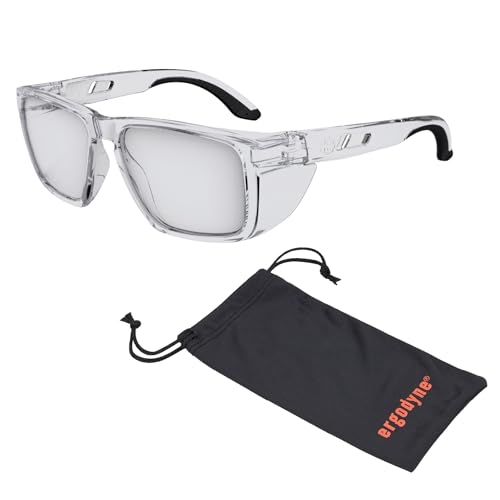
- Standard Safety Glasses – Lightweight, wrap-around frames with side shields. Ideal for general woodworking, tools & equipment use, and light DIY.
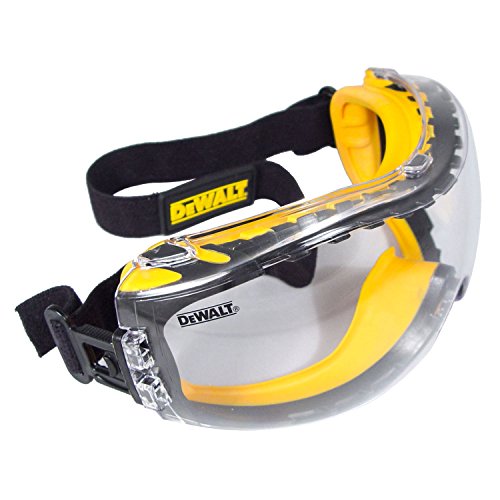
- Goggles – Provide a complete seal around the eyes. Perfect for chemical handling, sanding, and tasks with fine dust or splashes.
- Face Shields – Used in conjunction with safety glasses for maximum protection during grinding, welding, or heavy demolition.
- Prescription Safety Glasses – Custom-made for those who need vision correction. Many brands offer ANSI-compliant prescription eyewear.
- Specialty Lenses – Include polarized, photochromic (transition), and anti-fog coatings for specific environments.
Understanding ANSI Z87.1 Certification
When shopping for safety glasses, always look for the ANSI Z87.1 marking. This means the eyewear has passed rigorous tests for impact resistance, optical clarity, and durability. Glasses with a Z87+ rating offer high-velocity impact protection, which is crucial for tasks like angle grinders or circular saws work. For chemical protection, look for a D3 (droplet) or D4 (splash) rating.
Pro Tip: Always check the side of the frame or lens for the Z87 stamp. If it is not there, the glasses are not certified and should not be used for hazardous work.
Lens Coatings & Materials
The lens material and coating affect clarity, durability, and comfort. Most modern safety glasses use polycarbonate lenses, which are lightweight and impact-resistant. Here are some common coatings and their benefits:
- Anti-Fog – Prevents lens fogging in humid or high-exertion environments (e.g., while using painting tools or in attics).
- Anti-Scratch – Extends the life of your glasses by resisting abrasion from dust and debris.
- UV Protection – Blocks 99–100% of UVA/UVB rays for outdoor projects.
- Mirror or Tinted – Reduces glare and bright light, useful for outdoor work or welding (but ensure they meet ANSI standards).
How to Choose the Right Safety Glasses
Selecting the best safety glasses for your needs involves considering your work environment, comfort, and specific hazards. Ask yourself these questions:
- What is your primary task? For woodworking, standard glasses with side shields suffice. For plumbing or chemical work, sealed goggles are better.
- Do you need prescription lenses? If so, look for prescription-ready frames or optical inserts.
- What is the lighting like? Choose clear lenses for indoor work and tinted or photochromic lenses for outdoor use.
- How long will you wear them? Lightweight frames with adjustable temples and nose pads reduce fatigue during long projects.
Maintenance & Care
To ensure your safety glasses provide optimal protection, proper care is essential. Clean lenses with a microfiber cloth and mild soap—avoid abrasive cleaners that scratch the surface. Store your glasses in a case when not in use to prevent scratches and dust accumulation. Replace them immediately if you notice cracks, deep scratches, or signs of wear that compromise the lens integrity.
For more protective gear, check our guides on work gloves, ear protection, and respirators to build a complete safety kit for your workshop. Remember, safety is a system—not a single piece of equipment.
Ready to Protect Your Eyes?
Browse our curated selection of top-rated safety glasses. From budget-friendly options to premium ANSI Z87+ rated eyewear, we have the right pair for your needs.
Shop Safety Glasses NowAll recommended products are from trusted manufacturers that meet or exceed ANSI Z87.1 standards. We update our recommendations regularly to reflect the latest safety innovations.