Understanding Sound Transmission
Sound travels in two ways: airborne (through air, like voices) and structure-borne (through building materials, like footsteps). To effectively soundproof, you need to address both. The key metrics to understand are STC (Sound Transmission Class) for airborne sound and IIC (Impact Insulation Class) for impact noise. Higher numbers mean better performance.
Common problem areas include shared walls in apartments, floors above basements, and ceilings below attics or upstairs rooms. Each requires a specific approach. For example, attic insulation not only improves energy efficiency but also helps dampen sound from outside. Similarly, adding mass-loaded vinyl or resilient channels to drywall installation can dramatically increase STC ratings.
Soundproofing Walls
Walls are the primary barrier between rooms. For existing walls, you have several options:
- Add Mass: Attach a second layer of drywall using Green Glue compound. This adds mass and damping to reduce sound transmission.
- Decouple: Install resilient channels or hat channels to separate the drywall from the studs, reducing vibration transfer.
- Fill Cavities: Blow-in or batt insulation types like rockwool or fiberglass fill the wall cavity and absorb sound.
- Seal Gaps: Use acoustic caulk around outlets, light switches, and baseboards to stop air leaks that carry sound.
For new construction or major renovations, consider staggered studs or double-stud walls for maximum soundproofing. This technique is often used in home theaters and recording studios. If you're planning a larger project, our home renovation resources can help you plan effectively.
Soundproofing Ceilings & Floors
Noise from upper floors or between levels is a common complaint in multi-story homes and apartments. Here are effective strategies:
- Ceiling: Install resilient channels or sound isolation clips before adding a new layer of drywall. Fill the joist cavities with soundproofing insulation.
- Floor: Use underlayment materials like cork, rubber, or mass-loaded vinyl under your flooring. For hardwood floors, a thick acoustic underlayment combined with a rug can significantly reduce impact noise. Check our guides on hardwood floors and laminate flooring for installation tips.
- Drop Ceilings: Acoustic ceiling tiles are an excellent option for basements and offices, offering both sound absorption and easy access to utilities.
If you're dealing with a basement, floor repair and insulation are often part of a soundproofing strategy. Adding a thick carpet with a quality pad is one of the simplest ways to reduce footfall noise.
🔊 Did You Know? Green Glue is a viscoelastic compound that converts sound energy into heat. It's one of the most cost-effective ways to add damping to a wall or ceiling assembly. Simply apply between two layers of drywall.
Soundproofing Doors & Windows
Doors and windows are often the weakest link in any soundproofing plan. Hollow-core doors let sound pass through easily. Consider these upgrades:
- Solid Doors: Replace hollow-core doors with solid wood or metal-clad doors. Add weatherstripping around the frame and an automatic door bottom to seal the gap at the floor.
- Windows: Double or triple-pane windows with laminated glass are highly effective. For existing windows, acoustic inserts or storm windows can provide a significant upgrade. Our window film and curtains and drapes guides also offer supplemental solutions.
- Sealing: Use acoustic caulk or rope caulk to seal gaps around window and door frames. Even a small gap can leak significant sound.
Soundproofing Materials & Products
Choosing the right materials is crucial for success. Here's a quick overview of common soundproofing products:
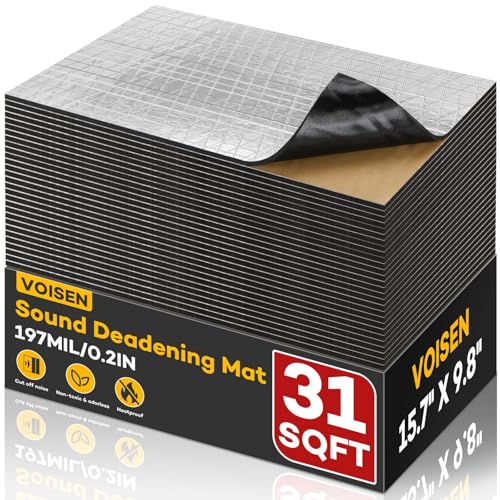
- Mass-Loaded Vinyl (MLV): A dense, flexible sheet that adds mass to walls, ceilings, and floors. Ideal for thin walls and hard-to-treat areas.
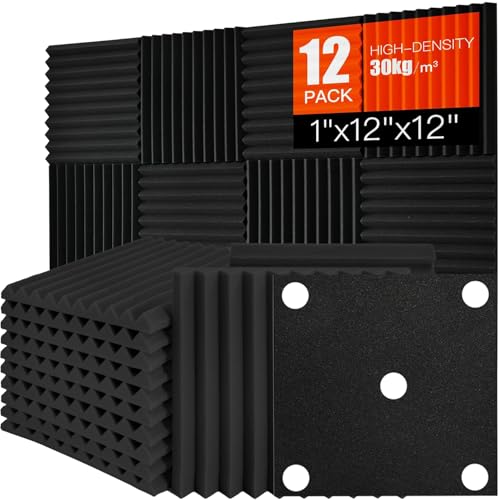
- Acoustic Panels: Fabric-wrapped panels that absorb sound and reduce echo. Perfect for home theaters, offices, and music rooms.
- Soundproofing Insulation: Mineral wool (Roxul) and fiberglass batts designed for sound absorption. Check our insulation types page for more details.
- Acoustic Caulk & Sealant: Non-hardening sealant that remains flexible to block sound leaks. Essential for sealing gaps and joints.
- Resilient Channels & Clips: Metal components that decouple drywall from framing, significantly reducing vibration transfer.
For most DIY projects, combining a few of these materials yields the best results. Start with sealing gaps and adding mass, then move to decoupling if needed. Our DIY tips section has more practical advice for your projects.
Cost & DIY Considerations
The cost of soundproofing varies widely based on the scope of work. A basic DIY project using caulk and weatherstripping might cost under $100. Adding a second layer of drywall with Green Glue to a 12x12 room might cost $300-$500 in materials. Professional installation with acoustic treatments can range from $1,000 to $5,000+ per room.
DIY-Friendly Projects:
- Sealing gaps and cracks with acoustic caulk
- Adding weatherstripping to doors and windows
- Installing soundproofing underlayment under flooring
- Hanging acoustic panels or thick curtains
- Filling wall cavities with blown-in or batt insulation
When to Hire a Pro: For structural changes like decoupling walls, replacing windows, or adding resilient channels, consider consulting a contractor. They can ensure proper installation and avoid issues like electrical interference or moisture problems. For complex projects, DIY vs. hiring a pro can help you decide.
📌 Quick Wins: Before committing to major work, try these low-cost strategies: add rugs to hard floors, use bookshelves as sound barriers, and place acoustic panels at reflection points. You'll often see immediate improvement.
Ultimately, successful soundproofing requires a multi-layered approach. By combining mass, damping, decoupling, and absorption, you can create a space that's significantly quieter. The product recommendations below are carefully selected to help you achieve your goals. Whether you're building a home theater, a quiet home office, or just want a more peaceful bedroom, these tools and materials will make a difference.