Weatherstripping Guide: Stop Drafts & Save Energy
Discover how to choose and install the best weatherstripping for your doors and windows. Reduce energy bills, improve comfort, and protect your home from the elements.
Shop Top Weatherstripping ProductsWhat is Weatherstripping and Why Does It Matter?
Weatherstripping is a simple, cost-effective method for sealing gaps around doors and windows to prevent air leaks, moisture, and dust from entering your home. By blocking drafts, it significantly improves your home's energy efficiency, reduces heating and cooling costs, and enhances overall comfort. Whether you're preparing for winter or summer, proper weatherstripping is a smart investment.
Beyond energy savings, weatherstripping also helps keep out pests, reduces noise pollution, and prevents moisture from damaging your door frames and window sills. It's a key part of any home improvement or maintenance plan.
Main Types of Weatherstripping
Choosing the right weatherstripping material depends on the gap location, traffic, and your budget. Here are the most common types:
1. V-Seal (Tension Seal)
Made of flexible plastic or metal, V-seal is folded into a V-shape and fits along the sides of windows and doors. It's durable, easy to install, and excellent for sliding windows and doors.
2. Felt Strips
Affordable and easy to cut, felt weatherstripping is ideal for low-traffic areas like windows. However, it's less durable and may wear out faster, making it best for seasonal use.
3. Foam Tape
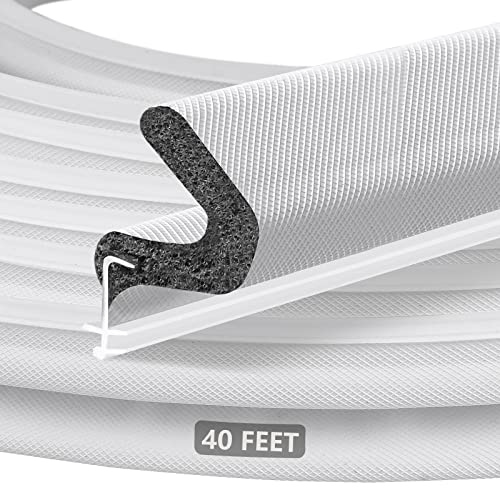
Foam tape comes in various thicknesses and is great for irregular gaps. It's simple to install and works well for sealing door frames and window sashes. Look for high-density foam for longer life.
4. Door Sweeps
Attached to the bottom of a door, a door sweep seals the gap between the door and the threshold. They are available in rubber, vinyl, or brush models. Effective for both interior and exterior doors.
5. Rubber or Vinyl Tubular Gaskets
These are pre-formed tubes that compress when the door closes, creating a tight seal. They are commonly used around garage doors and entry doors. Durable and weather-resistant.
For a detailed overview of all available options and how to choose, check out our complete home improvement tools guide.
How to Install Weatherstripping: Step-by-Step
Installing weatherstripping is a straightforward DIY project. Here's a general guide to help you get started:
- Inspect and Measure: Identify all gaps around doors and windows. Measure the length of each gap accurately. Purchase enough material for all areas.
- Clean the Surface: Remove old weatherstripping and clean the area thoroughly. Dust and debris will prevent proper adhesion.
- Choose the Right Type: Select the appropriate weatherstripping for each location. Use foam tape for small gaps, V-seal for sliding windows, and door sweeps for door bottoms.
- Cut to Size: Cut the material slightly longer than the gap. It's better to trim excess than to have a gap.
- Apply and Test: Peel the backing and press firmly into place. Close the door or window to test the seal. Adjust if necessary.
For more tips on using the right tools for your projects, visit our tools and equipment section. Have a leaky faucet that needs fixing? Check out our guide on fixing a leaky faucet.
Benefits and Estimated Costs
The benefits of weatherstripping go beyond just saving money. It also makes your home more comfortable year-round by eliminating cold drafts in winter and reducing heat gain in summer.
- Energy Efficiency: Reduce your heating and cooling costs by up to 15%.
- Improved Comfort: Maintain a consistent indoor temperature without cold spots.
- Noise Reduction: Seal gaps to keep outside noise to a minimum.
- Pest Prevention: Keep insects and rodents from entering through gaps.
Costs: Weatherstripping is highly affordable. On average, a roll of foam tape costs around $5–$15, door sweeps are typically $10–$25, and high-quality tubular gaskets can range from $15–$40 per door. The total cost for an average home is around $50–$150 for materials, a fraction of the potential energy savings.
Take Action: Weatherstrip Your Home Today
Weatherstripping is one of the most effective and affordable home improvements you can do yourself. With the right materials and a little time, you can transform your home's comfort and efficiency. Start by measuring your doors and windows, and choose the best products for your needs.
If you're also tackling other repairs, our guides on window repair, installing faucets, and drywall repair can help you complete your home improvement checklist.