Wood Glue Guide: Types, Uses, and Expert Recommendations
Discover the best wood glue for every woodworking project. From PVA and polyurethane to hide glue, learn which adhesive delivers the strongest bond for your needs.
Why Wood Glue Matters: The right adhesive can make or break your woodworking project. Whether you're building furniture, crafting shelves, or repairing a beloved piece, understanding wood glue types and their applications ensures durable, long-lasting results. This guide covers everything you need to know to choose and use the best wood glue with confidence.
Types of Wood Glue: Which One to Choose?
PVA Glue (Yellow Glue)
Polyvinyl acetate (PVA) glue, often called carpenter's glue, is the most common woodworking adhesive. It's easy to use, dries clear, and sands well. Available in varieties like Titebond II (water-resistant) and Titebond III (waterproof), it's ideal for indoor furniture, cabinets, and general woodworking.
- Best for: Furniture, cabinets, interior trim, and general wood assembly.
- Strength: Stronger than wood itself in many cases.
- Drying Time: 15–60 minutes (clamp time), 24 hours for full cure.
Polyurethane Glue
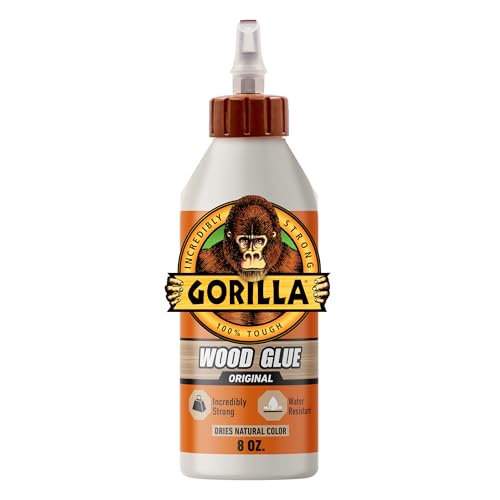
Polyurethane glue (e.g., Gorilla Glue) is waterproof and expands slightly as it cures, filling gaps. It bonds wood, metal, stone, and plastics, making it incredibly versatile. Excellent for outdoor projects and applications where moisture resistance is critical.
- Best for: Outdoor furniture, boat building, and mixed-material joints.
- Strength: Extremely strong, flexible, and waterproof.
- Drying Time: 1–2 hours (clamp time), 24 hours for full cure.
Hide Glue (Animal Glue)
Traditional hide glue, made from animal collagen, is reversable with heat and moisture. It's prized by luthiers, antique restorers, and period furniture makers because joints can be disassembled easily. Available in liquid and granular forms.
- Best for: Antique restoration, musical instruments, and traditional joinery.
- Strength: Strong and rigid, but less water-resistant than PVA.
- Drying Time: 10–30 minutes (clamp time), 24 hours for full cure.
Epoxy Resin Glue
Epoxy is a two-part adhesive that cures chemically, offering gap-filling properties and excellent structural strength. It's waterproof, heat-resistant, and bonds almost any material. Ideal for demanding applications like wooden boat repairs and structural laminations.
- Best for: Structural repairs, boat building, and filling large gaps.
- Strength: Exceptional strength and durability.
- Drying Time: 15–60 minutes (working time), 24 hours for full cure.
Wood Glue Comparison: Strengths, Uses, and Prices
| Glue Type | Best For | Water Resistance | Price (approx.) |
|---|---|---|---|
| PVA (Titebond III) | Furniture, cabinets, indoor projects | Waterproof | $18–$25 |
| Polyurethane (Gorilla) | Outdoor, mixed materials, gap-filling | Waterproof | $12–$20 |
| Hide Glue | Antique restoration, instruments | Low (reversible) | $15–$30 |
| Epoxy | Structural repairs, boat building | Waterproof | $25–$45 |
How to Apply Wood Glue Like a Pro
Preparation
- Surface Prep: Ensure surfaces are clean, dry, and free of dust or oil. Sand if necessary.
- Temperature: Apply glue in temperatures above 55°F (13°C) for optimal curing.
- Clamping: Have clamps ready before applying glue. Check clamps here →
Application Tips
- Even Spread: Use a brush or roller to spread glue evenly across the joint.
- Clamp Pressure: Apply firm, even pressure. Wipe away excess squeeze-out with a damp cloth.
- Drying Time: Refer to the manufacturer's instructions. Typically, 15–60 minutes clamp time and 24 hours full cure.
🎯 Expert Tip: Glue Strength vs. Wood Strength
A properly glued joint is often stronger than the wood itself. When you use the right glue and clamping technique, the wood will break before the glue line fails. This is why choosing the correct adhesive for your project is crucial for long-term durability.
Frequently Asked Questions About Wood Glue
What is the strongest wood glue?
Polyurethane glue and epoxy offer the strongest bond, often exceeding the strength of the wood itself. However, PVA glues like Titebond III also provide an incredibly strong bond for most woodworking applications.
What is the best wood glue for outdoor use?
Waterproof glues like Titebond III (PVA) or polyurethane glues are the best for outdoor projects. They can withstand moisture and temperature changes without breaking down.
Is wood glue stronger than screws?
In many applications, a proper glue joint can be stronger than the wood itself. While screws provide mechanical fastening, glue creates a chemical bond across the entire joint, distributing stress evenly and often outperforming screws in shear strength.
Can I use wood glue on other materials?
Polyurethane glue and epoxy can bond a wide range of materials, including metal, stone, and plastics. PVA glue is generally best for wood and wood-based materials.
Related Woodworking Guides
Woodworking Tools
Equip your workshop with the right tools for woodworking. From saws to sanders, we have you covered.
Wood Finishing & Sealing
Protect your projects with the best finishing techniques. Learn about stains, paints, and sealers.
Woodworking Techniques
Master essential woodworking skills from joinery to carving.
Workbench Plans
Build a sturdy workbench for your workshop with our free plans and guides.