
Birdhouses: Build, Attract & Care for Backyard Birds
Discover how to build the perfect birdhouse, choose the right materials, place it correctly, and attract beautiful birds to your backyard all year round.
Start Your Birdhouse Project🏠 Why Build a Birdhouse?
Birdhouses provide essential nesting habitat for cavity-nesting birds like bluebirds, chickadees, and wrens. As natural nesting sites decline due to development and deforestation, a well-built birdhouse can make a significant difference to local bird populations while offering you endless enjoyment watching their daily activities.
🛠️ What You Need to Know
Successful birdhouses require proper dimensions, ventilation, drainage, and placement. Different bird species need different entry hole sizes, floor dimensions, and mounting heights. This guide covers everything from material selection to annual maintenance, helping you create a safe and inviting home for your feathered friends.
Complete Birdhouse Guide: Plans, Materials & Placement
Building a birdhouse is one of the most rewarding woodworking projects you can undertake. Whether you're a beginner looking for your first project or an experienced builder wanting to attract specific species, understanding the key elements of birdhouse design will ensure your efforts are successful. Below we cover everything from wood selection and proper dimensions to placement and ongoing care.
Before you start building, consider which bird species you want to attract. This determines the entry hole diameter, floor size, and mounting height. For example, a bluebird house needs a 1½-inch hole, while a chickadee prefers 1⅛ inches. The reading blueprints section of our site can help you understand technical drawings, but our simple dimensions table below makes it easy to build for any species.
| Bird Species | Entry Hole (inches) | Floor Size (inches) | Mounting Height (feet) |
|---|---|---|---|
| Bluebird | 1½ | 5×5 | 4–6 |
| Chickadee | 1⅛ | 4×4 | 5–15 |
| Wren | 1¼ | 4×4 | 5–10 |
| Tree Swallow | 1½ | 5×5 | 5–15 |
| Purple Martin | 2¼ | 6×6 | 10–15 |
| Woodpecker (Downy) | 1¼ | 4×4 | 6–20 |
Using the right lumber is critical for durability and bird safety. Untreated cedar or pine are excellent choices because they are naturally rot-resistant and safe for birds. Avoid pressure-treated wood or plywood that may contain harmful chemicals. For exterior finishing, use a water-based, non-toxic stain or paint in muted earth tones—never paint the inside of the birdhouse.
Essential Features of a Well-Designed Birdhouse
- Ventilation: Small gaps near the roof allow airflow to prevent overheating.
- Drainage: Drill small holes in the floor to let water escape.
- Roof Overhang: Extends beyond the front to keep rain out of the entrance.
- Opening Mechanism: A hinged side or roof allows easy cleaning.
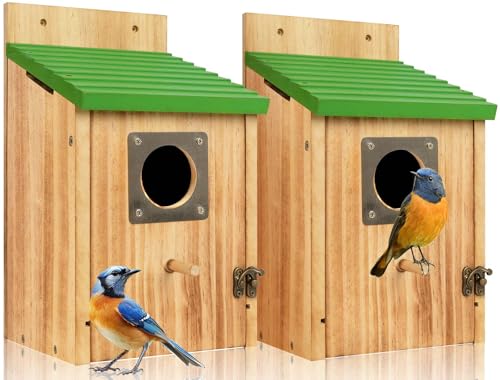
- No Perch: Perches are unnecessary and can attract predators.
- Proper Depth: The distance from the entry hole to the floor protects chicks from predators.
For construction, you'll need basic tools including a saw, drill, measuring tape, and clamps for assembly. If you're new to building, start with a simple simple shelf style or a classic box design. More elaborate projects like birdhouses can incorporate decorative elements and multiple compartments.
Birdhouse Placement & Seasonal Care
Where you place your birdhouse is just as important as how you build it. Position the house facing away from prevailing winds (generally northeast or east) to protect birds from harsh weather. Mount it on a metal pole or a smooth wooden post with a baffle to deter predators like squirrels and snakes. Avoid placing houses near bird feeders or birdbaths, as the activity can disturb nesting birds.
Annual maintenance ensures your birdhouse stays safe and usable. At the end of each nesting season (late summer to early fall), clean out old nesting material to remove parasites and prepare for the next year. Use a 10% bleach solution to disinfect, then rinse thoroughly and allow to dry completely before closing it up. A clean house is a healthy house for birds.
Placement Tips
Mount 5–15 feet high. Face entrance away from wind and direct afternoon sun. Keep at least 25 feet from busy feeding areas.
Cleaning Schedule
Clean once per year after nesting season ends. Remove old nests, scrub with mild bleach solution, and rinse thoroughly before rehanging.
Predator Protection
Use predator guards (metal baffles) on poles. Keep branches trimmed away from the house to prevent access from squirrels and cats.
Best Materials for Durable Birdhouses
Choosing the right materials extends the life of your birdhouse and ensures the safety of its inhabitants. Cedar is a top choice due to its natural resistance to rot and insects—it can last 10–20 years without any treatment. Pine is more affordable and works well if painted with a non-toxic exterior paint. For the roof, consider using plywood with proper sealing, or go with a classic cedar shingle roof for a more decorative touch.
Hardware matters too. Use stainless steel or galvanized screws and hinges to prevent rust. Avoid using glue that may contain chemicals harmful to birds. When finishing your birdhouse, apply a natural oil like linseed oil or use a water-based, low-VOC paint. Dark colors absorb heat—stick to light or earthy shades to keep the interior cool during summer months.
Build the Perfect Birdhouse Today
Ready to start your project? Browse our recommended birdhouse kits, tools, and accessories to create a beautiful and safe home for your backyard birds.
View Birdhouse ProductsBirdhouse Project Ideas for Every Skill Level
Whether you're looking for a weekend project or a more advanced build, there's a birdhouse design to match your skill level. Beginners can start with a simple single-room box featuring a sloping roof and a 1¼-inch entrance hole for wrens or chickadees. This classic design uses four walls, a floor, and a roof—perfect for practicing basic joinery and measuring skills.
For intermediate woodworkers, consider a chalet-style birdhouse with a steep roof, decorative trim, and a removable back panel for cleaning. This style mimics the look of a cozy cottage and is a favorite among bluebirds. If you're ready for a more advanced project, try a martin house—a multi-compartment structure with multiple entrances and floors that attracts purple martins. This project tests your planning skills and requires precise assembly.
Whichever design you choose, the key to success is using quality materials and following the species-specific dimensions we provided above. And don't forget to add personal touches like decorative paint or carved details to make your birdhouse uniquely yours. Building a birdhouse is not just about creating a functional home—it's about connecting with nature and enjoying the satisfaction of a job well done.


![Neliblu [12 Pack] DIY Bird House Kits for Kids | 3 Unique Shapes & 2 Sizes](https://m.media-amazon.com/images/I/51QGpIVehoL._SL500_.jpg)
