
How to Clean Power Tools Like a Pro
Extend the life of your tools, maintain peak performance, and work safely with our complete cleaning and maintenance guide. From cordless drills to miter saws, learn the best practices for every tool in your workshop.
SHOP CLEANING ESSENTIALSWhy clean your power tools? Dust, resin, and debris build-up reduce performance, overheat motors, and shorten tool life. Regular cleaning keeps your tools accurate, safe, and ready for any project. In this guide, we cover everything you need to know—from daily wipe-downs to deep cleaning procedures for cordless drills, circular saws, and more.
Essential Power Tool Cleaning Guide
Whether you're a weekend warrior or a professional, keeping your tools clean is non-negotiable. Here's our step-by-step guide to cleaning the most common power tools.
🔧 Cordless Drills & Drivers
Remove the battery, wipe the exterior with a dry cloth, and use compressed air to blow dust out of the air vents. Clean the chuck with a wire brush and apply a light machine oil to keep it smooth. Check the battery contacts for corrosion.
⚙️ Circular Saws & Miter Saws
Disconnect power, clean the blade with a resin remover, and wipe the base plate and guard. Use a brush to clear dust from the motor housing vents. Keep the blade sharp for clean cuts – a dull blade strains the motor.
🔄 Orbital Sanders
Regularly clean the dust collection system and replace the filter. Wipe the pad and the exterior with a damp cloth. Remove old sandpaper and clean the hook-and-loop pad with a stiff brush to ensure new sheets stick well.
🔌 Routers & Trimmers
After each use, clean the collet and the shaft with a brush. Blow out dust from the motor vents. Check the base for resin build-up and clean with a non-abrasive cleaner. Lubricate the plunge mechanism lightly.
Deep Cleaning: Step-by-Step
For tools that see heavy use, a deep clean every month or two is ideal. Follow these steps for a thorough clean that restores performance.
- Disconnect power: Always remove batteries or unplug the tool before cleaning.
- Disassemble when possible: Remove blades, bits, guards, and dust bags for separate cleaning.
- Use compressed air: Blow out dust from motor vents and hard-to-reach areas. Wear safety glasses.
- Clean with the right product: Use a non-abrasive cleaner or a mild degreaser for resin and grease. Avoid soaking electronics.
- Lubricate moving parts: Apply a few drops of tool oil to chucks, gears, and moving mechanisms.
- Reassemble and test: Ensure everything is dry and properly reassembled before use.
💡 Pro Tip: For angle grinders and impact drivers, pay special attention to the air intake vents. Clogged vents are the #1 cause of motor failure. Use a vacuum with a brush attachment in addition to compressed air for best results.
Safety & Tool Care Best Practices
Cleaning isn't just about performance—it's about safety. A dirty tool is more likely to malfunction or cause accidents. Here are some safety tips to incorporate into your cleaning routine.
- Always wear safety glasses and work gloves when cleaning, especially when using compressed air.
- Use a respirator if you're cleaning tools that have been used on treated wood or drywall.
- Inspect cords and battery packs for damage while cleaning.
- Store tools in a clean, dry place after cleaning to prevent rust.
🔗 Keep Your Workshop in Top Shape
Once your tools are clean, consider organizing your space with our guide on tool storage and workshop organization. For more maintenance tips, check out our articles on tool sharpening, calibration, and rust removal.
And if you're setting up a new workspace, don't miss our advice on workshop lighting and dust collection systems.
Top Cleaning Supplies for Power Tools
⚠️ AFFILIATE DISCLOSURE: This website contains affiliate links. As an Amazon Associate, we earn from qualifying purchases. If you make a purchase through these links, we may receive a small commission at no additional cost to you. Read our full affiliate policy.

Electric Spin Scrubber, Power Shower Cleaning Brush with Long Handle

Holikme 6Pc Drill Brush Set - Soft Bristles with Extension for Home Clean
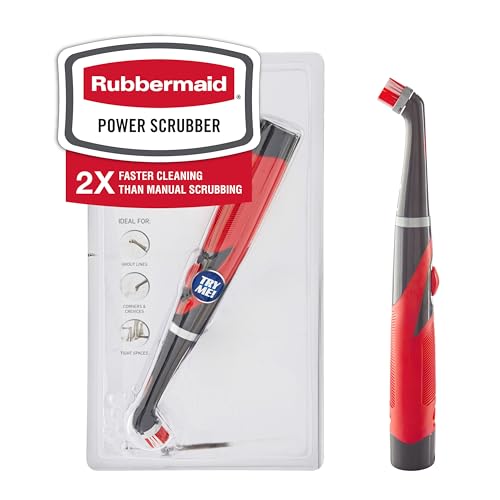
Rubbermaid Reveal Power Scrubber with Multi-Purpose Head, Cordless Electric Battery Powered Scrub Brush, Water Resistant, for Home/Kitchen/Bathroom/Grout/Tile/Shower/Tub
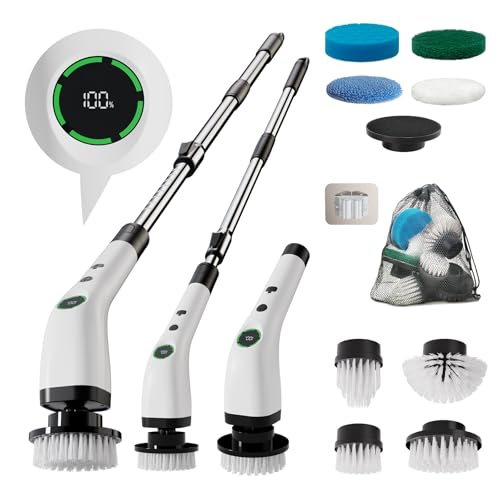
Swyprrix Electric Bathroom Cleaning Brush Cordless Shower Scrubber SD-CTB01

Xiny Tool Pressure Washer Extension Wand, 10 Pack Power Washer Lance with 6 Atomization Nozzle Tips,1 Gutter Cleaner Attachment Curved Rod, 1/4" Quick Connect, 4000 PSI

LIULO TOOL 9 Pack Pressure Washer Extension Wand, Stainless Steel Power Washer Lance with 6 Nozzle Tips for Gutter Cleaning, 3 Gutter Cleaner Attachments Curved Rod, 1/4 inch Quick Connect, 4000 PSI

YKYI Electric Spin Scrubber, Cordless Power Cleaning Brush with Long Handle

Qimedo Electric Spin Scrubber Q2, 4000mAh Battery, 1500RPM High Power
Common Questions About Cleaning Power Tools
Can I use water to clean my power tools?
Generally, no. Water can damage motors and electronics. Use a damp cloth for exteriors and dry cleaning methods (brushes, air) for internals. For tough resin, use a specialized tool cleaner.
How often should I clean my tools?
Light cleaning (wiping and blowing dust) after each use. Deep cleaning monthly for tools used weekly, or bi-monthly for occasional use. Always clean before long-term storage.
What's the best way to clean a cordless drill chuck?
Remove the chuck if possible, or open it fully and brush out debris. Use a chuck cleaner or a small wire brush. Apply a drop of light oil to the jaws and work the chuck open and closed to distribute.