Pest Proofing Your Home: A Complete DIY Guide
Keep rodents, insects, and other unwanted visitors out for good. Learn proven exclusion techniques, natural deterrents, and when to call a professional.
Explore Pest-Proofing MethodsPest proofing is one of the most effective ways to protect your home from rodents, insects, and other critters. Instead of relying solely on traps or poisons, a proactive exclusion strategy seals entry points and removes attractants. This guide covers everything from home safety basics to advanced sealing techniques, helping you create a fortress that pests simply cannot penetrate.
Whether you're dealing with mice in the attic, ants in the kitchen, or squirrels in the crawlspace, the principles remain the same: inspect, seal, monitor, and maintain. Let's dive into the step-by-step process.
Why Pest Proofing Matters
Health & Safety
Rodents and insects can carry diseases, contaminate food, and trigger allergies. Sealing your home reduces exposure to mold remediation triggers and airborne allergens, keeping your family healthier.
Property Protection
Pests chew through wiring, insulation, and wood, causing costly damage. A well-sealed home prevents structural issues and reduces the need for structural repairs down the line.
Common Entry Points for Pests
Most pests enter through tiny gaps you might not even notice. Here's where to look:
🪟 Exterior Openings
- Doors & Windows: Gaps under doors, worn weatherstripping, or broken screens.
- Vents & Chimneys: Uncovered attic vents, dryer vents, or chimney openings.
- Utility Lines: Where pipes, cables, and wires enter the home.
🏠 Interior Access
- Basement & Crawlspace: Cracks in foundation walls, gaps around sill plates.
- Attic: Soffit gaps, ridge vents, or damaged roof flashing.
- Garage: Gaps under garage doors, pet doors, or wall penetrations.
Effective Pest-Proofing Methods
🔍 Inspection & Monitoring
Walk around your home's exterior and interior, noting cracks, holes, and gaps. Use a flashlight and mirror to check hidden spots. Install home safety monitoring devices to detect early signs.
🧱 Sealing & Exclusion
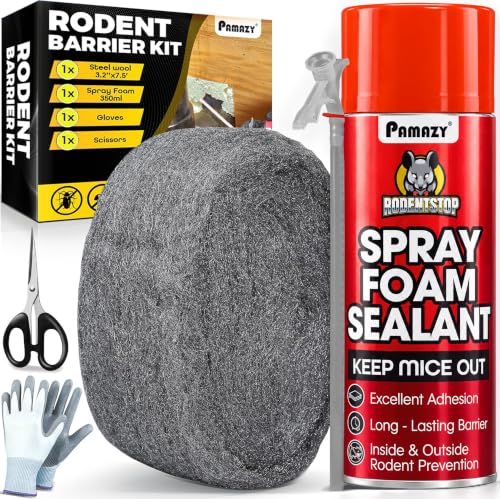
Use steel wool, copper mesh, or expanding foam to block gaps. Install door sweeps, repair screens, and cover vents with hardware cloth. Pay special attention to attic insulation areas where rodents nest.
🌿 Natural Deterrents
Plant mint, lavender, or marigolds around your home. Use essential oils like peppermint or eucalyptus on cotton balls near entry points. Maintain a clean yard with lawn care to reduce harborage areas.
🧹 Sanitation & Habitat Modification
Remove clutter, store firewood away from the house, and keep trash in sealed bins. Fix leaky pipes and ensure proper drainage solutions to eliminate moisture that attracts pests.
🛡️ Professional Pest Control
If you have a severe infestation, call a licensed professional. They can use targeted treatments and advanced exclusion techniques that go beyond DIY methods. Always combine professional help with your own seasonal maintenance.
📅 Seasonal Checklist
Perform a thorough inspection each spring and fall. Check roof repair areas, gutter cleaning points, and deck repair zones where pests may hide or enter.
📋 DIY Pest-Proofing Checklist
Work through this list to seal your home like a pro:
- ✔ Inspect foundation for cracks (seal with concrete patch)
- ✔ Install door sweeps on all exterior doors
- ✔ Repair or replace damaged window screens
- ✔ Seal gaps around pipes and utility lines with expanding foam
- ✔ Cover attic vents and chimney tops with hardware cloth
- ✔ Store firewood at least 20 feet from the house
- ✔ Trim tree branches that touch the roof
- ✔ Keep gutters clean to prevent water pooling
- ✔ Check garage door repair areas for gaps
- ✔ Install a home safety camera or monitoring system for wildlife
Essential Materials & Tools
Having the right supplies makes pest proofing easier and more effective. Here's what you'll need:
| Material / Tool | Purpose | Estimated Cost |
|---|---|---|
| Steel Wool & Copper Mesh | Stuff into small gaps – pests can't chew through | $5–$15 |
| Expanding Foam Sealant | Fill larger gaps around pipes and utility lines | $8–$20 |
| Door Sweeps & Weatherstripping | Seal gaps under doors and around windows | $10–$30 |
| Hardware Cloth (1/4″ mesh) | Cover vents, chimneys, and crawlspace openings | $12–$25 per roll |
| Caulk & Caulking Gun | Seal cracks in siding, foundation, and trim | $6–$15 |
| Flashlight & Inspection Mirror | Check dark corners and hidden spots | $10–$25 |
| Essential Oils (Peppermint, Eucalyptus) | Natural deterrent for rodents and insects | $8–$15 per bottle |
When to Call a Professional
While many pest-proofing tasks are DIY-friendly, some situations require expert help:
- Severe Infestations: If you see multiple rodents or large insect colonies, a professional can identify the root cause and apply targeted treatments.
- Difficult Access: High roofs, tight crawlspaces, or areas with asbestos or lead may require specialized equipment and training.
- Structural Damage: If pests have compromised your structural repairs or electrical wiring, a pro can assess and fix the damage safely.
- Repeated Failures: If you've tried sealing and cleaning but pests keep returning, there may be hidden entry points that only an expert can find.
Integrate Pest Proofing with Other Projects
Pest proofing works best when combined with other home improvement tasks. Consider these synergies:
🏠 Renovation
Seal gaps during home renovation projects to prevent future entry.
🌿 Landscaping
Combine with outdoor garden planning to reduce pest habitats.
🪚 Woodworking
Use pest-resistant wood for deck building and outdoor structures.
Take Control of Your Home's Defense
Start with a thorough inspection this weekend. Seal one gap at a time, and track your progress. For severe infestations or peace of mind, consult a local pest control professional.
Get Your Pest-Proofing Checklist PDF💡 Pro Tip: Maintenance is Key
Even the best pest-proofing efforts can degrade over time. Schedule a seasonal review – check seals, reapply caulk, and trim vegetation. Regular seasonal maintenance and emergency repairs of broken screens or damaged vents will keep your home secure for years to come.