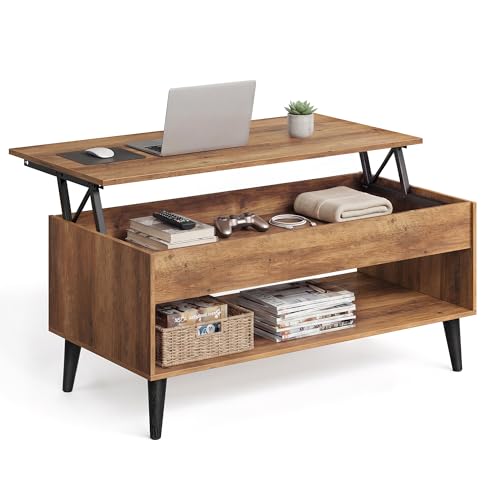
DIY Coffee Table Plans & Build Guide
Discover expert woodworking plans, step-by-step tutorials, and professional tips to build the perfect coffee table for your living space. From rustic farmhouse to modern minimalist, find the design that matches your style.
EXPLORE COFFEE TABLE PLANSBuild Your Dream Coffee Table: A coffee table is more than just furniture—it's the centerpiece of your living room. Whether you're a beginner woodworker or an experienced craftsman, building your own coffee table allows you to customize the size, style, and finish to perfectly match your home decor. Our expert guides cover everything from material selection to advanced joinery techniques.
Why Build Your Own Coffee Table?
Building a custom coffee table offers numerous advantages over buying ready-made furniture. You can choose the exact dimensions to fit your space, select premium materials that match your style, and create a piece that reflects your personality. With the right woodworking plans and tools, you can build a coffee table that rivals high-end furniture at a fraction of the cost.
Our comprehensive guides cover popular styles including rustic farmhouse, modern minimalist, industrial, and traditional designs. Whether you prefer a solid wood table or a mixed-material piece with metal accents, we have the plans and tutorials you need.
Essential Tools & Materials
Before starting your coffee table project, ensure you have the right tools and equipment. Basic requirements include a circular saw or miter saw for cutting lumber, tape measures for accurate dimensions, clamps for securing joints, and screwdrivers for assembly. For more advanced projects, you may need a router for decorative edges and a orbital sander for finishing.
Choose high-quality lumber appropriate for your design. Popular options include oak, walnut, maple, and pine. Don't forget essential supplies like wood glue, screws and nails, and stains and paints for the perfect finish.
Popular Coffee Table Styles
Rustic Farmhouse
Characterized by distressed wood, chunky legs, and a weathered finish. Perfect for creating a warm, inviting living room atmosphere.
$800+Modern Minimalist
Clean lines, sleek surfaces, and subtle details. Often features hairpin legs or a minimalist base for a contemporary look.
$600–$1,500Industrial
Combines wood with metal elements like pipe legs or steel frames. Ideal for lofts and modern urban interiors.
$700–$1,800Step-by-Step Coffee Table Building Guide
1. Planning and Design
Start by determining the ideal size for your coffee table. Standard height is 16–18 inches, with length typically ranging from 36–48 inches and depth from 18–24 inches. Consider your seating arrangement and room layout when planning dimensions. Sketch your design and create a cut list for your materials. For more complex designs, refer to our blueprint reading guide.
2. Material Selection
Choosing the right wood is crucial for both aesthetics and durability. Hardwoods like oak, maple, and walnut offer excellent durability and beautiful grain patterns. For budget-friendly options, consider using high-quality plywood for the tabletop and solid wood for the legs. Learn more about different wood types in our comprehensive wood selection guide.
3. Cutting and Assembly
Follow your cut list to prepare all pieces. Use a miter saw for precise angle cuts and a circular saw for straight cuts. Practice proper joinery techniques such as dowel joints, pocket holes, or mortise and tenon for strong, durable connections. Use clamps to hold pieces securely while the wood glue dries. For beginner woodworkers, we recommend starting with simpler joinery like butt joints with pocket holes.
4. Sanding and Finishing
Proper sanding is essential for a smooth, professional finish. Start with coarse grit sandpaper (80-120 grit) and progressively move to finer grits (220-320 grit). Apply wood finish such as stain, varnish, or oil to protect the wood and enhance its natural beauty. Consider using a paint sprayer for an even, flawless finish. Allow adequate drying time between coats.
Expert Tips for Building Coffee Tables
- Consider Functionality: Add shelves or drawers for extra storage. Incorporate cable management features for lamps and devices.
- Choose Durable Finishes: Living room furniture sees daily use. Opt for durable, water-resistant finishes that can withstand spills and wear.
- Proper Support: Ensure your coffee table has adequate structural support. Aprons and corner braces prevent wobbling and extend the table's lifespan.
- Test Assembly: Dry-fit all pieces before applying glue to ensure proper fit and alignment. Make adjustments as needed before final assembly.