
Drop Cloths: The Ultimate Guide to Choosing and Using Them
Protect your floors, furniture, and sanity during painting and renovation projects. Learn which drop cloth material, size, and features matter most for your next DIY job.
A drop cloth is one of those unglamorous supplies that quietly saves your project. Whether you are repainting a bedroom, refinishing a deck, or tackling a full do-it-yourself renovation, a reliable drop cloth keeps paint, dust, and debris off your floors and furniture. But not all drop cloths are created equal. The material, weight, size, and construction all affect how well the cloth performs and how long it lasts.
This guide walks you through the most common types of drop cloths, explains which materials work best for specific tasks, and helps you match the right cloth to your project. By the end, you will know exactly what to look for when buying a drop cloth online or in-store.
Why a Good Drop Cloth Matters
Skipping a drop cloth can turn a simple paint job into an expensive repair bill. Paint drips on hardwood floors, spilled primer on carpet, and sawdust ground into grout lines are all avoidable with proper protection. A quality drop cloth also makes cleanup faster, so you can focus on the project instead of scrubbing floors.
Beyond protection, drop cloths improve safety. Plastic sheeting can become slippery when wet, while canvas provides traction and absorbs small spills. For projects that involve heavy foot traffic or ladder work, a stable, non-slip surface is essential.
Pro Tip: Always extend your drop cloth at least two feet beyond the work area. Paint splatters travel farther than you think, especially when rolling ceilings or using a sprayer.
Types of Drop Cloths: Materials Compared
Drop cloths come in several materials, each with distinct strengths and weaknesses. Here is a breakdown of the most common options:
Canvas Drop Cloth
Absorbent, reusable, and heavy enough to stay in place. Ideal for painting, plastering, and general renovation. Mid-range to premium depending on weight and size.
Plastic Drop Cloth
Waterproof and lightweight, perfect for quick floor protection. Not absorbent and can be slippery. Entry-level option for one-time use.
Butyl Drop Cloth
Heavy-duty, leak-proof, and reusable. Best for major renovations or projects with heavy spills. A top-tier investment for serious DIYers.
Paper Drop Cloth
Lightweight and temporary. Good for small jobs and quick cleanup. Entry-level choice for short-term protection.
For most home improvement projects, canvas is the gold standard. It absorbs paint, stays put without tape, and can be reused for years. Plastic drop cloths are a budget-friendly alternative for simple floor coverage, while butyl cloths are reserved for heavy-duty leak protection.
How to Choose the Right Size Drop Cloth
Drop cloths are typically sold in rectangular sizes such as 4x12 feet, 9x12 feet, and 12x15 feet. The right size depends on what you are protecting:
- Small projects (tables, small furniture): 4x6 feet or 6x9 feet.
- Standard furniture (sofas, beds): 9x12 feet.
- Room floors: 12x15 feet or larger, or overlap multiple cloths.
- Large renovation areas: Multiple 12x15-foot cloths or heavy-duty rolls.
When in doubt, size up. A larger cloth can be folded to fit smaller spaces, but a cloth that is too small leaves gaps where paint and dust can sneak through.
Key Features to Look For in a Drop Cloth
Not every drop cloth is designed for every job. Here are the features that matter most:
1. Absorbency
Canvas and butyl cloths absorb paint and liquids, which prevents pooling and makes cleanup easier. Plastic and paper cloths are non-absorbent, so spills stay on the surface.
2. Weight and Stability
Heavier cloths stay in place without constant adjustment. Canvas drop cloths are naturally heavier than plastic, which is why they are preferred for ladder work and high-traffic areas.
3. Reusability
Canvas, butyl, and heavy-duty plastic cloths can be reused multiple times. Paper and thin plastic are typically one-time use. If you plan to tackle several projects, invest in a reusable option.
4. Non-Slip Backing
Some drop cloths feature a non-slip backing or textured surface. These are especially useful on hardwood floors and tiles where plastic can slide.
5. Seams and Construction
Look for reinforced seams and hemmed edges. Poorly constructed drop cloths can tear at the seams, especially when dragged across floors or loaded with debris.
Best Drop Cloth for Each Project Type
Matching the drop cloth to the project prevents unnecessary mess and waste:
- Interior painting: Canvas drop cloth for floors and furniture. It absorbs drips and stays in place.
- Exterior painting: Plastic or butyl drop cloth to protect patios and decks from paint and stains.
- Drywall and demolition: Heavy-duty canvas or butyl to catch dust and debris. Pair with a dust collection system for best results.
- Furniture refinishing: Canvas or paper drop cloth to protect work surfaces from stains and strippers.
- Floor protection during remodeling: Butyl or heavy canvas for leak-proof coverage in kitchens and bathrooms. For larger renovation projects, see our guide on DIY home improvement projects.
How to Clean and Maintain Drop Cloths
Proper care extends the life of your drop cloth and keeps it ready for the next project:
- Canvas: Shake off debris, then machine wash on a gentle cycle with mild detergent. Air dry completely before folding. Avoid bleach, which weakens fibers.
- Plastic: Wipe clean with a damp cloth. Avoid harsh chemicals that can degrade the plastic. Replace if torn or stiff.
- Butyl: Wipe with a damp cloth and mild soap. Butyl is durable but should be stored flat or rolled to prevent creasing.
- Paper: Typically one-time use. Recycle or dispose of responsibly after the project.
Store drop cloths folded or rolled in a dry area. Avoid storing them in damp basements or garages, where mildew can develop.
Pro Tip: Mark the clean side of your canvas drop cloth with a small painted stripe. This helps you avoid putting the dirty side face-down on your floors.
Safety Considerations When Using Drop Cloths
Drop cloths improve safety when used correctly, but there are a few hazards to keep in mind:
- Slip risk: Plastic drop cloths can be slippery, especially on smooth floors. Tape them down or use a canvas cloth for high-traffic areas.
- Tripping hazards: Loose edges and folds can cause trips. Secure edges with tape or weights.
- Ventilation: When using drop cloths with solvents or finishes, ensure proper ventilation to avoid trapping fumes.
- Fire safety: Keep drop cloths away from open flames, space heaters, and hot tools. Canvas and paper are flammable.
For projects involving electrical or plumbing work, always follow safety guidelines and consider hiring a professional when necessary. Our guide on DIY vs. hiring a pro can help you decide.
Frequently Asked Questions About Drop Cloths
What is the best material for a drop cloth?
Canvas is the best all-around choice for most DIY projects. It is absorbent, reusable, and heavy enough to stay in place. Plastic is a budget-friendly alternative for quick floor protection, while butyl is best for heavy-duty leak protection.
How do I choose the right size drop cloth?
Measure the area you need to protect and add at least 2 feet of overhang on each side. For furniture, a 9x12-foot cloth works well for most sofas and beds. For room floors, choose a 12x15-foot cloth or overlap multiple cloths.
Are canvas drop cloths worth it?
Yes. Canvas drop cloths are a mid-range investment that pays off over time. They are reusable, absorbent, and stay in place without tape. For frequent DIYers, canvas is the most reliable option.
Can I use a plastic drop cloth for painting walls?
Plastic drop cloths are suitable for protecting floors from paint splatters, but they can be slippery and non-absorbent. For wall painting, canvas or butyl cloths are generally safer and more effective.
Final Thoughts
A drop cloth is a small investment that protects your home and makes cleanup faster. Choose canvas for most painting and renovation projects, plastic for quick floor coverage, and butyl for heavy-duty leak protection. Match the size to your project, secure the edges, and store your cloth properly between uses. With the right drop cloth, you can focus on the work instead of worrying about the mess.
Ready to stock up? Our recommended products below include top-rated drop cloths for every budget and project type.
Recommended Drop Cloths for Painting & Renovation
⚠️ AFFILIATE DISCLOSURE: This website contains affiliate links. As an Amazon Associate, we earn from qualifying purchases. If you make a purchase through these links, we may receive a small commission at no additional cost to you. Read our full affiliate policy.

ZUPERIA Canvas Drop Cloth for Painting (Size 6'x9' Feet Pack of 4) Painters Drop Cloth for Painting, Furniture & Floor Protection All Purpose Thick Canvas tarp with Double Stitched Edges
Check price on Amazon
ZUPERIA Canvas Drop Cloth for Painting (Size 4' x12' Feet Pack of 4) Painters Drop Cloth for Painting, Furniture & Floor Protection All Purpose Thick Canvas tarp with Double Stitched Edges
Check price on Amazon
Simpli-Magic 79196C Case of Canvas Drop Cloth (Size: 6' x 9') -12 Pack, Natural
Check price on Amazon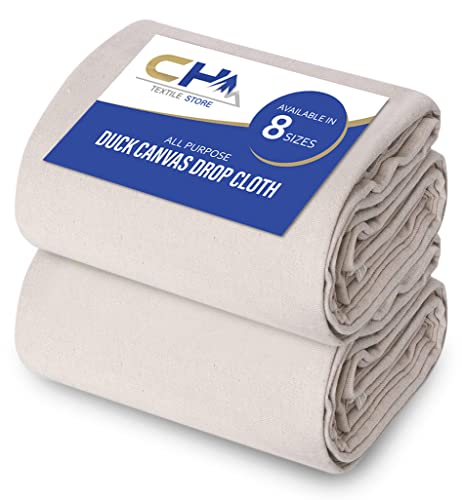
Canvas Painters Drop Cloth (Size 9 x 12 Feet - Pack of 2) - Pure Cotton Paint Drop Cloth for Painting, Curtains, Furniture & Floor Protection - All Purpose Thick Canvas tarp with Double Stitched Edges
Check price on Amazon
CoverGrip 8 Oz Canvas Safety Drop Cloth, 3.5' x 12', (Pack of 8)
Check price on Amazon
GREEN LIFESTYLE All Purpose Canvas Drop Cloths - Drop Cloth for Painting, Floor Cover, Heavy Duty Protection for Furniture & Surfaces, Reusable Painters Canvas Tarp for Renovation & Home (4x12)
Check price on Amazon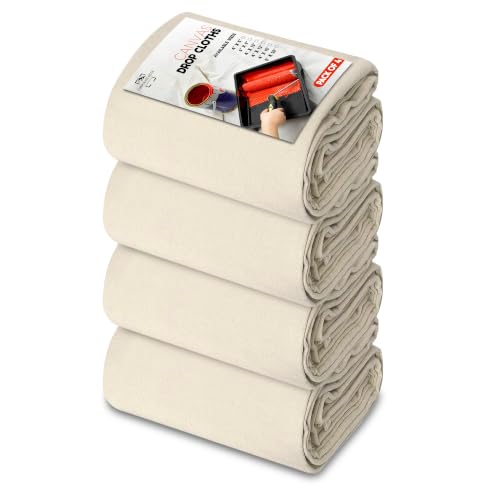
CH Canvas Drop Cloth for Painting (Size 4' x 12' Feet - Pack of 4) Painters Drop Cloth for Painting, Furniture & Floor Protection, All Purpose Thick Canvas tarp with Double Stitched Edges
Check price on Amazon
Axgatoxe 12 x 9 Ft Plastic Drop Cloths for Painting (6-Pack) | Plastic Painter's Sheeting & Tarps for Painting Supplies, Waterproof & Dust-proof Furniture/Couch/Floor Protection Cover
Check price on AmazonDisclaimer
HomeFixPlace provides educational content only. Not a substitute for professional contractor services or licensed trades. Always consult a qualified professional for major structural, electrical, or plumbing work. Some content may use AI. We are not responsible for injuries or damage. By using this site, you accept these terms. If you do not agree, please leave this website and discontinue its use. Read full disclaimer.