Voltage Testers: Non-Contact & Multimeter Guide
Discover the right voltage tester for every job. From non-contact pens to advanced multimeters, learn how to test safely and make informed decisions.
Shop Top Voltage TestersA voltage tester is an essential tool for any DIY enthusiast or professional electrician. Whether you're troubleshooting a dead outlet, installing a light fixture, or checking outlets and switches, the right tester ensures safety and accuracy. This guide covers non-contact testers, multimeters, and solenoid testers—helping you choose the best model for your needs and budget.
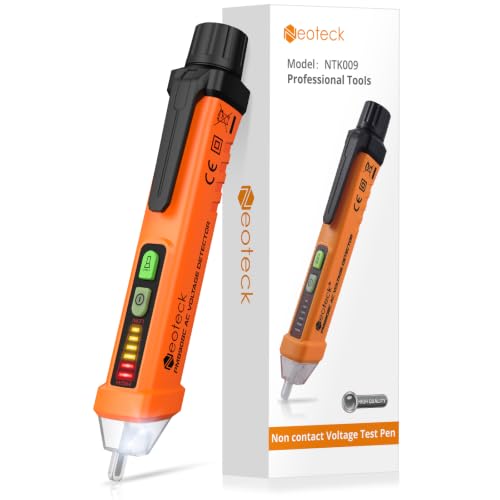
🔌 Non-Contact Voltage Testers
Ideal for quick, safe checks. Detect AC voltage without touching wires. Perfect for homeowners and beginners.
- No direct contact – safer for live circuits
- Visual & audible alerts (LED + beep)
- Compact, pocket-sized design
- Best for: outlets, switches, light fixtures
Price range: $15–$50
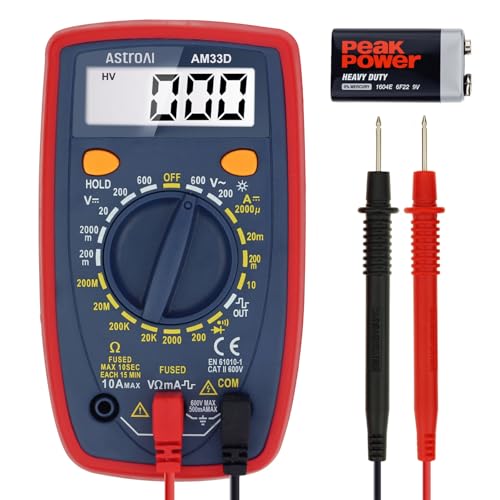
📊 Digital Multimeters
Measure voltage, resistance, continuity, and more. Essential for serious DIYers and pros.
- AC/DC voltage, current, resistance
- Continuity test & diode check
- Auto-ranging or manual selection
- Best for: troubleshooting, appliance repair, wiring projects
Price range: $25–$250+
Voltage Tester Comparison
| Type | Best For | Key Feature | Price Range |
|---|---|---|---|
| Non-Contact | Quick checks, outlets, switches | No contact, beep/flash alerts | $15–$50 |
| Multimeter | Detailed diagnostics, appliance repair | Voltage, resistance, continuity | $25–$250 |
| Solenoid Tester | Heavy-duty, industrial use | Direct contact, no batteries | $40–$100 |
How to Choose a Voltage Tester
Selecting the right voltage tester depends on your experience level and the tasks at hand. If you're just starting with home electrical projects, a non-contact voltage tester is the safest and most user-friendly option. For more advanced diagnostics, a digital multimeter offers versatility—letting you test circuit breakers, check continuity, and even troubleshoot ceiling fan installations.
When shopping, look for models with CAT III or CAT IV safety ratings, which indicate protection against transient voltage spikes. Also consider auto-ranging (automatically selects measurement range) and backlit displays for use in dimly lit spaces. For professionals, a solenoid tester (also called a wiggy) is a rugged, no-battery option that provides a physical voltage reading.
🔒 Safety First: Always test your tester on a known live circuit before use. Follow electrical safety guidelines, wear insulated gloves, and never work on live circuits unless absolutely necessary. For major electrical work, consult a licensed electrician.
Practical Uses for Voltage Testers
- • Check if an outlet is live before adding new outlets
- • Test light switches and light fixtures
- • Verify power is off before stripping wires
- • Troubleshoot circuit breaker trips
- • Test extension cords and power strips
- • Diagnose ceiling fan wiring issues
Non-Contact vs. Multimeter: Which One Do You Need?
If you primarily need to quickly verify the presence of voltage (e.g., checking if an outlet is live), a non-contact tester is your best bet. It's fast, safe, and doesn't require touching bare wires. However, if you need to measure exact voltage levels, test continuity, or check resistance, a multimeter is indispensable. Many DIYers start with a non-contact tester and later add a multimeter as they tackle more complex projects like home systems repairs. For professionals, both tools are often used together.
Safety & Maintenance Tips
- Test your tester: Before each use, test on a known live source to ensure it's working.
- Check batteries: Non-contact testers and multimeters rely on batteries; keep spares handy.
- Inspect leads: For multimeters, ensure test leads are not frayed or damaged.
- Store properly: Keep in a dry, cool place to prolong lifespan.
- Follow CAT ratings: Use CAT III or IV for household and industrial environments.
By following these simple steps, your voltage tester will remain accurate and safe for years. Remember, when in doubt, consult a professional electrician, especially for electrical safety concerns or major installations.