Ultimate Rust Removal Guide
Compare chemical, electrolytic, and abrasive methods. Learn how to remove rust from tools, auto parts, and household metal – and keep it from coming back.
Explore MethodsRust doesn't have to mean the end of your favorite tools or metal surfaces. Whether you're restoring a vintage hand plane, salvaging a cast-iron skillet, or cleaning up car parts, the right rust removal approach can save you time, money, and frustration. This guide covers every effective method – from household ingredients to professional-grade chemicals – so you can choose the best solution for your project.
Top Rust Removal Methods Compared
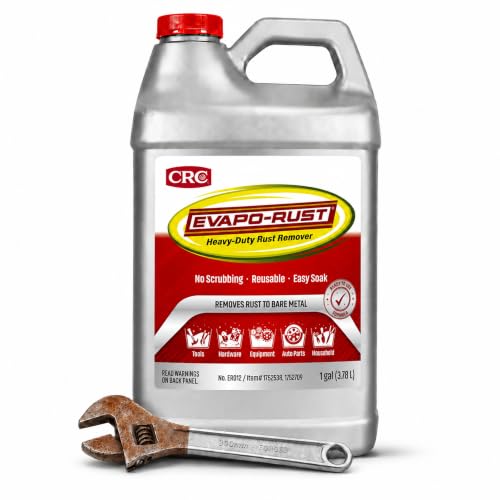
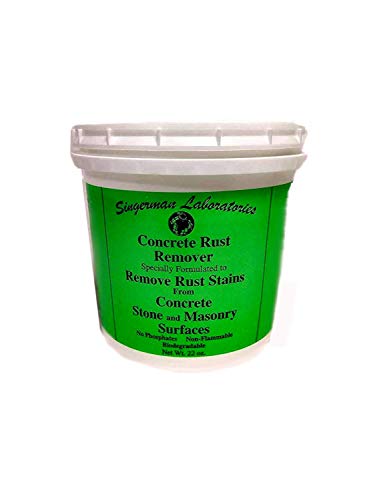
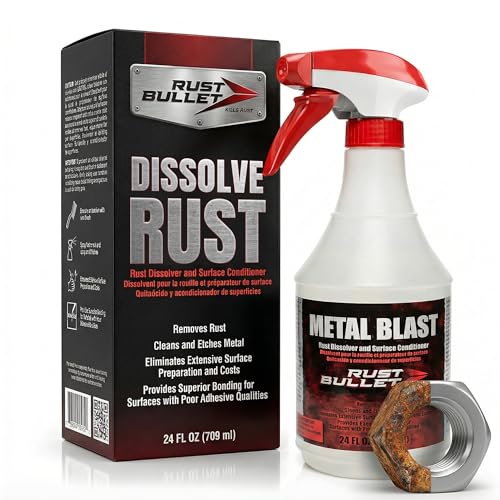
🧪 Chemical Removers
Gels, liquids, and sprays that dissolve rust through chemical reaction. Fast and effective for light to moderate rust on tools, auto parts, and household metal.
Best for: precision parts, intricate shapes, quick turnaround.
⚡ Electrolytic Rust Removal
Uses low-voltage DC current and a sacrificial anode to pull rust off metal. Extremely gentle – won't remove base metal. Ideal for antique tools and cast iron.
Best for: irreplaceable items, delicate surfaces, large batches.
💨 Abrasive / Mechanical
Wire brushes, sandpaper, grinding wheels, and sandblasting. Fast and aggressive – removes rust and paint in one pass. Great for heavy rust and large surfaces.
Best for: structural steel, automotive frames, outdoor furniture.
🍋 Natural / DIY
Vinegar, lemon juice, baking soda, and potato methods. Safe, inexpensive, and surprisingly effective for light surface rust on small items.
Best for: small hand tools, kitchenware, light oxidation.
Rust Removal Method Comparison
| Method | Speed | Effort | Cost | Metal Safety |
|---|---|---|---|---|
| Chemical Removers | ⭐⭐⭐⭐⭐ | ⭐⭐ | $$ | High (if used correctly) |
| Electrolytic | ⭐⭐⭐ | ⭐⭐⭐ | $ | Very High (no metal loss) |
| Abrasive | ⭐⭐⭐⭐⭐ | ⭐⭐⭐⭐⭐ | $$ | Moderate (removes some metal) |
| Natural / DIY | ⭐⭐ | ⭐⭐ | $ | High |
Step-by-Step Rust Removal Process
Follow these general steps for any rust removal project – adapt the specifics to your chosen method.
-
1.
Assess the rust: Determine if it's surface rust, scale, or deep pitting. This will guide your method and expected results.
-
2.
Prepare the area: Work in a well-ventilated space. Protect surrounding surfaces and wear appropriate safety gear – safety glasses and work gloves are essential.
-
3.
Apply chosen method: Follow manufacturer instructions for chemicals, set up electrolytic bath, or use abrasives with proper technique.
-
4.
Neutralize & clean: After rust removal, rinse thoroughly with water or neutralizer. Dry completely to prevent flash rust.
-
5.
Protect the surface: Apply a rust-inhibiting primer, oil, or clear coat. For tools, consider proper storage to avoid recurrence.
🔧 Pro Tip: Prevent Rust Before It Starts
The best rust removal is prevention. Keep metal surfaces clean and dry. For tools, wipe them down with an oily rag after use. Store items in a low-humidity environment. If you're in a humid climate, consider a dehumidifier or silica gel packs in your tool chest – a simple step that extends the life of your tools and equipment.
Chemical vs. Abrasive: Which Is Right for You?
Choosing between chemical rust removers and abrasive methods depends on your project, timeline, and the value of the item.
Chemical removers (gels, liquids, and converters) are ideal for intricate parts, threads, and surfaces where you don't want to alter dimensions. They work by converting rust into a stable compound that can be washed away. Many modern formulas are water-based and low-odor. For heavy rust, you may need multiple applications. Always test on a small area first.
Abrasive methods – including wire brushes, sanding discs, and media blasting – are unbeatable for speed and scale. They're the go-to for automotive restoration, outdoor furniture, and structural steel. However, they remove a thin layer of base metal, so they're not suitable for precision parts or items with tight tolerances. For best results, pair abrasive cleaning with a rust-inhibiting primer afterwards.
Why Electrolytic Rust Removal Is a Game-Changer
Electrolytic rust removal uses a simple setup: a battery charger, washing soda, water, and a sacrificial piece of steel. When current flows, the rust is chemically reduced and lifted from the surface without damaging the original metal. This makes it perfect for restoring woodworking tools, cast-iron pans, and antique hardware. The process is gentle, non-toxic, and cheap to run. The only downside is the time – it can take 12 to 24 hours for heavy rust. But for valuable or sentimental items, it's worth the wait.
Ready to Remove Rust?
Shop top-rated rust removers, wire brushes, and electrolytic kits. All products are vetted by our team.
Shop Rust Removal ToolsOnce you've removed rust, proper tool maintenance is key. Learn how to clean power tools effectively and sharpen tools to keep them performing like new. For larger workshop setups, explore workshop lighting and dust collection to create a safer, more efficient workspace.
If you're working on automotive or heavy-duty metal, you might also want to check our guide on angle grinders and wire strippers for rust removal prep.