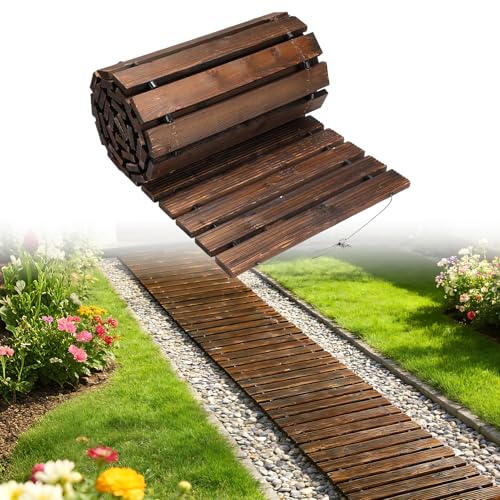
Walkways & Paths: Design, Materials & Installation
Transform your outdoor space with beautiful, durable walkways. Learn about materials, design tips, and step-by-step installation for paths that last.
Explore MaterialsWhy invest in a walkway? A well-designed path adds curb appeal, guides visitors, and creates a seamless connection between outdoor spaces. Whether you prefer natural stone, classic brick, or modern concrete pavers, the right walkway enhances both function and aesthetics. This guide covers everything you need—from planning and materials to installation and maintenance—so you can build with confidence.
Choosing the Right Material
Natural Stone
Flagstone, slate, and bluestone offer timeless beauty. Each piece is unique, creating a rustic, organic look. Ideal for gardens and cottage-style homes.
- Cost: $12–$25 per sq. ft.
- Durability: Excellent, weather-resistant
- Maintenance: Occasional sealing
Learn more about patio pavers for similar natural options.
Concrete Pavers
Versatile and affordable, pavers come in various shapes, colors, and textures. They are easy to install and replace, making them a popular DIY choice.
- Cost: $8–$15 per sq. ft.
- Durability: High, freeze-thaw resistant
- Maintenance: Low, occasional sweeping
See our guide on retaining walls for complementary hardscape ideas.
Brick
Classic and charming, brick paths offer a warm, traditional feel. They are durable and can be laid in various patterns (herringbone, basket weave).
- Cost: $10–$20 per sq. ft.
- Durability: Very durable, long-lasting
- Maintenance: Requires occasional sealing
Gravel & Crushed Stone
An economical, permeable option that drains well. Perfect for casual, informal paths and garden strolls. Available in many colors and sizes.
- Cost: $3–$7 per sq. ft.
- Durability: Moderate, requires replenishing
- Maintenance: Regular raking and topping up
Combine with drainage solutions to manage water runoff.
Design & Planning Your Path
Before breaking ground, consider these key factors: Purpose: Is this a main entry path, a garden stroll, or a connection between spaces? Traffic: How many people will use it? Style: Match your home's architecture and landscape. Budget: Material and labor costs vary widely. Plan the path width (minimum 3 ft for main walks) and include gentle curves for a natural look. Always check for underground utilities before digging.
For broader outdoor projects, explore outdoor & garden ideas, or learn about landscaping principles to integrate your path seamlessly.
Step-by-Step Installation Guide
1. Planning & Layout
Mark the path with string or spray paint. Determine the width and curve. Excavate to a depth of 6–8 inches (for pavers) or 4–6 inches (for gravel). Ensure a slight slope for drainage.
Check pergola and privacy screen placements to avoid conflicts.
2. Base Preparation
Add a 4–6 inch layer of compacted gravel or crushed stone as a base. Use a plate compactor for stability. This layer prevents shifting and improves drainage.
Good base prep is key—similar to deck building foundations.
3. Laying Materials
For pavers or bricks, lay them in your chosen pattern, leaving small gaps for sand. For flagstone, dry-lay pieces before mortaring. For gravel, spread evenly and compact.
Consider garden lighting to highlight your new path at night.
4. Finishing & Sealing
Fill gaps with sand (pavers) or polymeric sand. For stone, apply a sealer to protect against stains and weathering. Edge the path with metal, brick, or plastic edging to keep materials in place.
Learn about home safety to ensure your path is slip-resistant and well-lit.
Maintenance & Longevity
Keep Your Walkway Beautiful for Years
- Sweep regularly to remove debris
- Power wash annually to prevent moss and stains
- Reapply sealant every 2–3 years (for stone/brick)
- Fill gaps with sand as needed
- Check for weed growth and treat promptly
- Inspect for settlement or shifting after heavy rain
Proper care extends the life of your path. For related outdoor projects, see our guides on fire pits, outdoor kitchens, and garden tools to complete your backyard oasis.
Budgeting for Your Walkway
Average Cost Range: $8–$25 per square foot, depending on material and labor. DIY installation can save 40–50%. Always factor in base materials, edging, and a 10% overage for cuts and waste. For a 100 sq. ft. path, expect total costs between $800 and $2,500.
For more cost-saving ideas, visit DIY tips and budget estimating guides.
Frequently Asked Questions
How long does a walkway last?
With proper installation and maintenance, stone and brick paths can last 50+ years. Gravel paths may need replenishing every 5–10 years.
Can I install a walkway myself?
Yes! Pavers, gravel, and stepping stones are DIY-friendly. Brick and stone require more skill but are still manageable with careful planning. See DIY for beginners for starting tips.
What's the best material for a snowy climate?
Concrete pavers and natural stone are excellent as they resist freeze-thaw cycles. Avoid bricks that are not frost-rated. Learn about seasonal maintenance to protect your path.