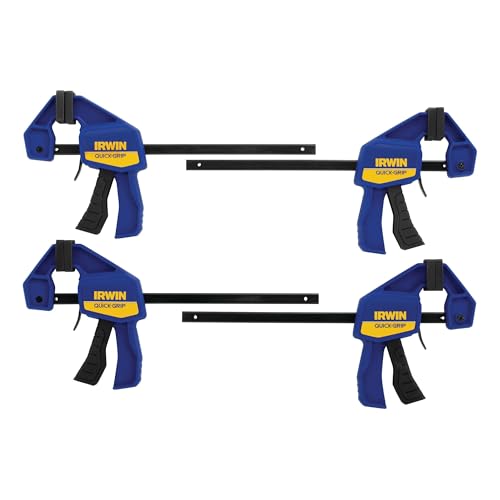
Master Your Projects with the Right Clamps
From woodworking to home repairs, discover the ultimate guide to clamps. Learn about types, uses, and expert tips to choose the perfect clamp for every job.
Explore Clamp GuideClamps are the unsung heroes of any workshop. Whether you're a seasoned woodworker, a DIY enthusiast tackling home repairs, or just getting started with your first project, having the right clamps can make all the difference. They hold your workpieces securely, ensure precise glue-ups, and keep your projects square and stable.
In this guide, we'll walk you through everything you need to know about clamps—from the different types available to how to choose the best ones for your specific needs. By the end, you'll be ready to select the right clamp and get started on your next project with confidence.
Why Clamps Are Indispensable in Any Workshop
If there's one tool that elevates your craftsmanship, it's a quality clamp. Clamps provide the holding power that your hands simply cannot. They allow you to:
- Secure workpieces while cutting, drilling, or sanding, ensuring precision and safety.
- Apply even pressure during glue-ups for strong, lasting bonds in woodworking and joinery.
- Maintain alignment when assembling furniture, frames, or cabinets.
- Hold materials in place for welding, metalwork, or even home repair projects.
💡 Pro Tip: A well-chosen clamp can save you time, reduce errors, and significantly improve the quality of your finished project. Investing in a versatile set of clamps is one of the smartest decisions you can make for your workshop.
Types of Clamps: A Complete Overview
There are many types of clamps, each designed for specific tasks. Here are the most common and versatile ones you'll likely need in your workshop or tool kit.
Bar Clamps & Pipe Clamps
Bar clamps (also known as F-clamps) are the workhorses of the workshop. They feature a sliding bar and a fixed head, providing a wide clamping capacity. Pipe clamps are similar but use standard black iron pipe for the bar, making them highly customizable for large projects. These are ideal for:
- Cabinet assembly and furniture building.
- Edge gluing panels and tabletops.
- Large woodworking projects where you need a long reach.
For detailed guidance on other essential tools and equipment for your workshop, explore our comprehensive guides.
Spring Clamps
Spring clamps are lightweight, easy to use, and perfect for one-handed operation. They're made of spring steel with plastic or rubber grips. They're great for:
- Holding small parts and trim while glue dries.
- Temporarily securing fabric, canvas, or lightweight materials.
- Quickly clamping items when you need a third hand.
C-Clamps (G-Clamps)
C-clamps are named for their C-shaped frame. They are incredibly strong and versatile, used in both woodworking and metalworking. They work best for:
- Holding metal parts for welding or drilling.
- Clamping irregularly shaped objects.
- Securing workpieces to a table or workbench.
To learn more about essential workshop tools, check out our guide on workbench plans and setup.
Parallel Claws & Quick-Grip Clamps
Parallel clamps are essential for cabinetmaking and box assembly because they apply pressure perfectly perpendicular to the work surface, preventing cupping or bowing. Quick-grip clamps feature a trigger mechanism for rapid adjustment, allowing for fast, one-handed clamping. They're perfect for:
- Cabinet and drawer assembly.
- Frame and panel glue-ups.
- Projects requiring precise alignment and even pressure.
Edge Clamps & Corner Clamps
Edge clamps are used to hold material flush with the edge of a workbench. Corner clamps are designed to hold two pieces of wood at a 90-degree angle, making them invaluable for picture frames and box making.
For beginners, check our DIY for absolute beginners guide to get started with the basics.
How to Choose the Best Clamp for Your Project
Selecting the right clamp comes down to understanding your project's specific needs. Here are the key factors to consider:
1. Project Size & Material
Consider the size and material of the pieces you're working with. For large panels or heavy furniture, you'll need long bar or pipe clamps. For delicate trim work or small crafts, spring or small C-clamps are more suitable.
2. Clamping Force Required
Different projects require different amounts of pressure. Glue-ups often need moderate, even pressure, while metalworking or heavy-duty fabrication may need higher clamping force. Always choose a clamp that can handle the job without damaging the material.
3. Depth of Throat
The throat depth—how far the clamp's jaws reach from the bar—determines how deep into a piece you can clamp. Consider this if you're working on wide panels or need to clamp far from the edge.
4. Ease of Use & Speed
Quick-grip clamps are ideal if you need to clamp and unclamp rapidly. For other projects, bar clamps with a sliding head offer a good balance of speed and strength.
💡 Expert Tip: A well-rounded collection of clamps is more valuable than a single high-end clamp. Start with a few versatile types—like a pair of bar clamps, some spring clamps, and a set of C-clamps—and expand as your projects grow.
To keep your workshop organized, explore our guide on tool organization and storage.
Maintenance & Safety Tips for Your Clamps
Proper care will ensure your clamps last for years and perform reliably.
- Keep them clean: Remove glue, paint, or rust after each use. Use a stiff brush or solvent for stubborn residue.
- Lubricate moving parts: Apply a light machine oil to threads and sliding bars to keep them smooth and prevent rust.
- Inspect regularly: Check for bent bars, worn pads, or damaged threads. Replace damaged clamps to avoid accidents.
- Use protective pads: To avoid marking your workpiece, use rubber or leather pads on the clamp jaws, or add a piece of scrap wood as a buffer.
Learn more about maintaining your power tools and hand tools for optimal performance.
Ready to Build Something Great?
Clamps are more than just tools—they're your partners in precision and quality. Whether you're building a coffee table, assembling a bookshelf, or tackling a complex home improvement project, the right clamps will help you achieve professional results.
Browse our recommended clamps below, compare features and prices, and take the next step toward elevating your craft. Happy building!
Explore More Guides
Looking for more expert advice? Check out these related guides from HomeFixPlace: