Adhesives: The Ultimate Guide for DIY & Home Improvement
Choose the right adhesive for every project: wood, tile, flooring, concrete, and more. Expert tips, comparisons, and safety advice.
Why Choosing the Right Adhesive Matters
Adhesives are the unsung heroes of home improvement. From fixing a broken chair to installing a new tile floor, the right adhesive ensures durability, safety, and a professional finish. Whether you're a seasoned DIYer or a beginner, understanding adhesive types, strengths, and applications can make the difference between a project that lasts and one that fails.
In this comprehensive guide, we'll cover the most common adhesives for home projects, including wood glue, construction adhesive, tile adhesive, flooring adhesives, and specialty glues. We'll also discuss important factors like drying time, bond strength, and safety considerations.
Common Types of Adhesives for Home Projects
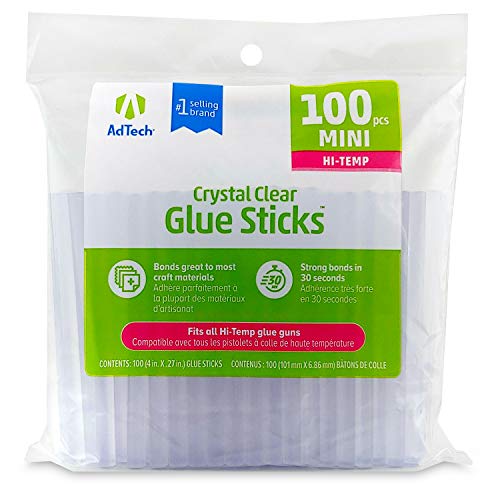
Wood Glue (PVA)
Ideal for woodworking, furniture repair, and carpentry. Provides strong bonds, dries clear, and is sandable. Best for porous materials.
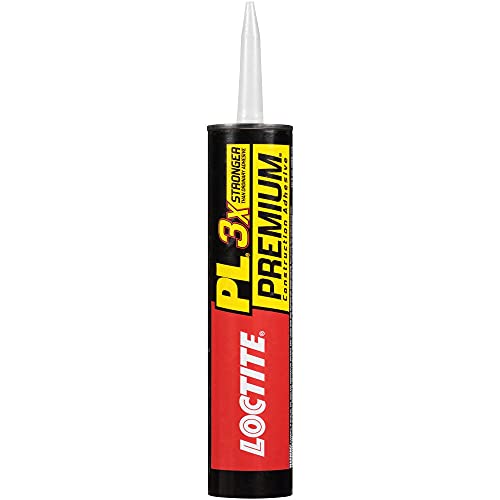
Construction Adhesive
Heavy-duty bonding for subflooring, paneling, and framing. Often used in home improvement projects. Waterproof and gap-filling.
Tile Adhesive (Thinset)
Used for installing ceramic, porcelain, and stone tiles. Available in pre-mixed or powder form. Essential for tile installation.
Flooring Adhesive
For installing vinyl planks, laminate, and engineered wood. Compatible with vinyl planks and laminate flooring.
Caulk & Sealant
Flexible adhesive for sealing gaps, cracks, and joints. Used in caulking guide applications around windows, tubs, and sinks.
Epoxy & Resin
Extremely strong, gap-filling, and chemical-resistant. Used for bonding metal, glass, and ceramics. Ideal for structural repairs.
Selecting the correct adhesive depends on the materials you're bonding, the project's environment, and the required strength. Always check the manufacturer's recommendations.
Adhesives by Material
For Wood and Furniture
Polyvinyl Acetate (PVA) glue is the go-to for woodworking. It creates a bond stronger than wood itself and is safe for indoor projects. For outdoor wood, use waterproof PVA or epoxy. If you're working on cabinet making, consider using a high-quality wood glue with a quick clamp time.
For Tile and Stone
Thinset mortar is the standard for tile installations. For large-format tiles, use a modified thinset with polymers for better adhesion. For wall tiles, mastic adhesive is easier to use but less water-resistant. Proper surface preparation is crucial for tile installation success.
For Flooring
Pressure-sensitive adhesive is common for vinyl planks and laminate flooring. For hardwood, use a urethane-based adhesive that allows for expansion. Always follow the flooring manufacturer's guidelines.
For Concrete and Masonry
Construction adhesive in tubes or cartridges works well for bonding concrete, brick, and stone. Use a high-quality polyurethane or epoxy adhesive for heavy loads or outdoor applications.
For Metal, Glass, and Plastic
Cyanoacrylate (super glue) bonds quickly and is ideal for small repairs. Epoxy is more durable and gap-filling, suitable for structural repairs or bonding dissimilar materials. For plastics, use a specialty plastic adhesive or solvent cement.
Adhesive Safety & Application Tips
- Ventilation: Always work in a well-ventilated area, especially with solvent-based adhesives.
- Gloves & Eye Protection: Wear nitrile gloves and safety goggles to protect your skin and eyes.
- Clean Surfaces: Remove dust, grease, and old adhesive for maximum bond strength.
- Follow Instructions: Pay attention to open time, clamp time, and cure time.
- Store Properly: Keep adhesives in a cool, dry place and seal containers tightly.
For more safety guidance, refer to our Safety First Guide and Home Safety Checklist.
Troubleshooting Common Adhesive Problems
- Weak Bond: Ensure surfaces are clean and dry. Check if you used the correct adhesive type.
- Not Curing: Low temperature or high humidity can affect cure time. Adjust environment accordingly.
- Messy Application: Use a caulk gun or applicator tip for precise application. Keep damp cloths handy for cleanup.
- Adhesive Failure: If the bond fails, consider using a stronger adhesive like epoxy or polyurethane.
If you're dealing with specific issues like mold remediation or floor repair, choosing the right adhesive is even more critical.
Adhesives in Home Improvement Projects
Adhesives are used in almost every home improvement project. Here are a few examples:
- Installing hardwood floors: Use a urethane-based adhesive for a durable, moisture-resistant bond.
- Laying tile: Thinset mortar is essential for a long-lasting tile floor or wall.
- Sealing molding and trim: Construction adhesive or panel adhesive works well for installing baseboards and crown molding.
- Outdoor projects like deck building or fence installation: Use waterproof construction adhesive for structural elements.
- Repairing roof repair: Specialized adhesives and sealants are used for flashing and shingles.
Always choose an adhesive that matches the material and conditions of your project.
Your Next Project Starts with the Right Adhesive
Whether you're a beginner following our DIY for Beginners guide or an expert tackling cabinet making, the right adhesive is key to success. Use this guide to make confident choices, save time, and achieve professional results. For more tips, explore our DIY Tips and Home Renovation sections.
Ready to start your project? Check out the recommended products below to find the best adhesives for your needs.