Outdoor Kitchens: The Complete Planning & Buying Guide
Turn your backyard into a year-round entertaining hub. Learn how to plan, design, and equip an outdoor kitchen that fits your space, climate, and cooking style — from layout and materials to appliances and weatherproofing.
Why Build an Outdoor Kitchen?
An outdoor kitchen extends your living space, reduces trips between the grill and the indoor kitchen, and boosts your home's entertainment value. For homeowners who host often or love cooking outdoors, it's one of the most rewarding upgrades — and it pairs naturally with a well-designed outdoor living area.
Beyond lifestyle benefits, a thoughtfully built outdoor kitchen can improve resale appeal. Buyers increasingly look for functional backyard spaces, and a durable, well-appointed cooking zone signals a home that's been cared for. If you're already planning broader backyard work, combining this project with patio remodeling or patio paver installation creates a cohesive result.
Planning Your Layout and Location
Good planning prevents expensive rework. Before choosing a single appliance, map out how you actually cook and entertain. Consider traffic flow, sun exposure, wind direction (for smoke), and proximity to water and electrical sources.
Location Checklist
- Distance from the house: Keep it close enough for easy access to indoor plumbing and power, but far enough to keep smoke and grease away from windows.
- Wind direction: Position the grill so prevailing winds carry smoke away from seating areas.
- Shade and cover: A pergola or roof extension protects cooks and guests from sun and rain.
- Utility access: Confirm where gas, water, and electrical lines can be routed. Trenching costs rise quickly with distance.
- Drainage: Ensure the site drains away from your home's foundation.
Common Layout Styles
Linear (Straight Run)
Best for small patios and narrow spaces. Simple to build and budget-friendly, with all stations along one wall.
L-Shaped
A versatile middle ground. Creates a natural corner for the grill and separates prep from serving zones.
U-Shaped
Ideal for serious cooks who want distinct prep, cooking, and plating areas. Requires more space.
Island with Bar
Adds a social element with bar seating facing the cook. Great for entertaining but needs careful spacing.
If your project grows into a larger backyard build-out, review local requirements via our permits guide before breaking ground. Permanent structures, gas lines, and electrical work usually require inspection.
Choosing Countertops, Cabinets, and Materials
Outdoor materials must survive UV exposure, freeze-thaw cycles, moisture, and heat. Indoor-grade finishes rarely hold up. Focus on materials engineered or proven for exterior use.
Countertop Options
- Stainless steel: Heat-resistant, hygienic, and easy to clean. Best for serious cooks; can show scratches over time.
- Natural stone (granite, quartzite): Durable and attractive; requires periodic sealing.
- Poured concrete: Customizable and heavy-duty; needs sealing and may crack in extreme climates.
- Tile: Budget-friendly and versatile; grout lines require maintenance.
Cabinet and Frame Materials
- Stainless steel frames: The gold standard for longevity; resistant to rust and pests.
- Powder-coated steel: A mid-tier option that resists corrosion when properly finished.
- Concrete block or masonry: Extremely durable and often built on-site; heavy but permanent.
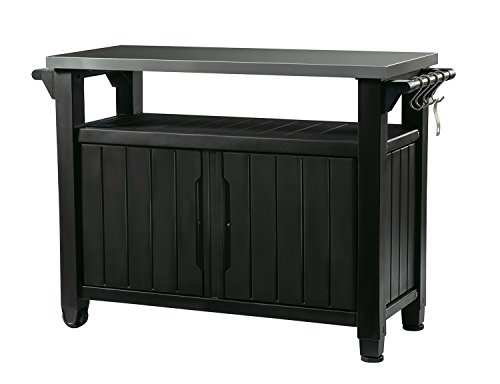
- Weather-rated polymer/HPDE: Lightweight and moisture-proof; good for budget-conscious builds.
For a polished finished look, consider coordinating your structure with molding and trim details on nearby walls or built-ins. If you plan to add seating around the kitchen, browse outdoor furniture options that match your material palette.
Essential Appliances and Equipment
Start with the core cooking appliance and build outward. Prioritize what you'll genuinely use rather than outfitting for hypothetical scenarios.
Core Essentials
- Grill: The centerpiece. Choose gas for convenience, charcoal for flavor, or a dual-fuel setup for flexibility.
- Side burner: Handy for sauces, sides, and boiling.
- Refrigeration: A weather-rated undercounter fridge keeps drinks and ingredients cold.
- Storage: Sealed cabinets and drawers protect tools and utensils from moisture and pests.
Nice-to-Have Additions
- Pizza oven: A favorite for entertaining; requires a dedicated footprint and ventilation.
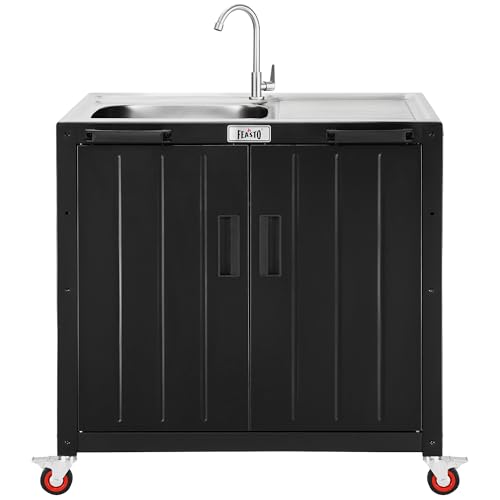
- Sink: Simplifies prep and cleanup. Requires plumbing rough-in — see our guides on installing sinks and installing faucets for reference.
- Outdoor-rated lighting: Extends usable hours; see outdoor lighting ideas.
- Ice maker or beverage center: Popular with entertainers.
Electrical and Plumbing Considerations
Plan electrical circuits carefully. Outdoor kitchens often need GFCI-protected outlets for appliances and lighting. If you're adding any wiring, our guide on outlets and switches explains safety basics. For water features or sink hookups, review plumbing guides so your installation meets code. Homeowners using well water should confirm adequate flow before adding a sink — see how to increase water pressure on a well system.
Entry-Level, Mid-Range, and Premium Tiers Explained
Outdoor kitchens vary widely in quality and permanence. Rather than focusing on specific figures, it helps to understand relative positioning across three broad tiers. This framework stays useful regardless of market conditions.
Modular & Portable
Prefabricated stainless or polymer units, freestanding grills, and simple prep carts. Best for renters, small patios, or first-time outdoor cooks. Materials are lighter-duty and may need more frequent care.
Semi-Permanent Builds
Powder-coated frames with stone or tile countertops and built-in mid-tier appliances. A strong balance of durability and design flexibility, often assembled on-site with professional help.
Custom & Luxury
Full masonry or stainless-steel construction, natural stone surfaces, high-end grills, integrated refrigeration, and custom lighting. Designed for long-term permanence and heavy entertaining.
How to choose: Match the tier to your commitment level and climate. In harsh climates, stepping up to a more weather-resistant tier often pays off through reduced maintenance. For a temporary or rental-friendly setup, entry-level modular units make far more sense than a permanent build. Premium tiers justify themselves when the kitchen is a centerpiece of frequent entertaining and the home's long-term value.
Weatherproofing and Maintenance
An outdoor kitchen is only as good as its ability to survive the elements. Plan for protection from day one rather than retrofitting later.
Protection Strategies
- Cover the cooking zone: A roof, pergola, or awning shields appliances and guests.
- Choose weather-rated appliances: Look for outdoor-specific ratings on grills, fridges, and electronics.
- Seal porous surfaces: Stone and concrete benefit from periodic sealing.
- Use covers seasonally: Protect grills and furniture during off-seasons or storms.
- Design for drainage: Slope surfaces and ensure gutters or drains move water away from the structure.
Ongoing Maintenance
- Clean grills and grease traps regularly to prevent buildup and pest attraction.
- Inspect seals, caulk, and fasteners at the start of each season.
- Check gas lines and connections for leaks; consider a professional inspection if uncertain.
- Refinish or reseal surfaces as recommended by the manufacturer.
If your broader outdoor area includes landscaping, pairing the kitchen with irrigation systems, raised garden beds, or privacy screens creates a complete backyard destination. Homeowners undertaking larger backyard improvements may also want to review landscaping fundamentals alongside this project.
Frequently Asked Questions
What is the best material for an outdoor kitchen countertop?
Stainless steel, natural stone such as granite, and poured concrete are the most durable choices. Stainless steel is heat-resistant and hygienic; natural stone offers beauty with periodic sealing; concrete is customizable and heavy-duty. Tile is budget-friendly but requires grout maintenance.
Do outdoor kitchens need a permit?
Often, yes. Permits are typically required when gas lines, electrical circuits, or permanent structures are involved. Local codes vary widely, so confirm requirements with your municipality before construction. Our permits guide covers general considerations.
How do I protect an outdoor kitchen from weather?
Choose weather-rated materials and appliances, add overhead cover such as a pergola or roof, seal porous surfaces, and use protective covers during harsh seasons. Ensure proper drainage so water moves away from the structure and foundation.
Can I add a sink to my outdoor kitchen?
Yes, but it requires a plumbing rough-in and a water supply line. Confirm your water pressure is adequate, especially on well systems. Our guide on increasing water pressure in the house is a useful starting point, and sink installation covers the basics of the hookup.
What's the most important appliance to get right?
The grill. It's the anchor of the entire kitchen and determines the size, ventilation, and fuel setup of your build. Choose gas for convenience, charcoal for flavor, or dual-fuel for flexibility — then design the layout around it.
How do I plan lighting for an outdoor kitchen?
Layer task lighting over prep and cooking zones with ambient lighting for seating areas. Use outdoor-rated fixtures and GFCI-protected circuits. Our outdoor lighting guide explores fixture types and placement strategies.