Complete Roof Repair Guide: Fix Leaks, Replace Shingles & Save Thousands
Master the art of roof repair with our comprehensive guide. Learn to identify problems, execute DIY fixes, and know exactly when to call a professional.
START YOUR ROOF REPAIR GUIDE🛠️ Roof Repair Philosophy: Your roof is your home's first line of defense. Regular maintenance and timely repairs can extend its lifespan by years and save you from costly water damage. Whether you're dealing with a minor leak or considering a full replacement, understanding the fundamentals puts you in control.
Understanding Common Roof Problems
Before you can repair your roof, you need to know what you're dealing with. Most roof issues fall into a few common categories. Learning to identify these problems early can prevent minor issues from becoming major expenses.
🔍 Leaks & Moisture
Water stains on ceilings, damp insulation, or peeling paint are telltale signs. Leaks often originate from:
- Damaged flashing around chimneys, vents, and skylights
- Cracked or missing shingles allowing water penetration
- Clogged gutters causing water to back up under shingles
- Ice dams in colder climates that force water under roofing
🌪️ Wind & Storm Damage
High winds can tear off shingles, expose underlayment, and create vulnerabilities. Look for:
- Curled or lifted shingles – edges peeling up from the deck
- Missing granules – bare spots on asphalt shingles
- Debris impacts – dents or punctures from branches or hail
- Loose flashing – around roof protrusions
If you suspect damage, start with a roof inspection to assess the scope. Catching problems early is always cheaper than emergency repairs.
DIY Roof Repair Methods You Can Do Safely
Not every roof repair requires a professional. Many common issues can be fixed with basic tools, safety precautions, and a little know-how. Always prioritize safety – if your roof is steep, wet, or more than one story high, consider hiring a pro.
🔧 Fixing a Leak
Step-by-step:
- Locate the source: Check attic for water stains, then trace upward to the roof
- Mark the area: Use chalk or a marker to identify repair zone from the inside
- Secure the area: On the roof, remove damaged shingles and inspect underlayment
- Apply roof cement: Spread a generous layer over the leak area and press down
- Replace shingles: Install new shingles and seal edges with roofing cement
Tools needed: Pry bar, hammer, utility knife, roofing cement, replacement shingles, caulking gun
📋 Replacing Shingles
How to replace damaged or missing shingles:
- Remove the damaged shingle: Carefully lift and pull out nails
- Slide in the new shingle: Align it with the existing course
- Nail it down: Use roofing nails, drive them just below the adhesive strip
- Seal the edges: Apply a dab of roofing cement under each shingle tab
- Seal the exposed nail heads: Prevent future leaks
Pro tip: Work on a warm day (above 50°F) so shingles are pliable and less likely to crack.
💧 Flashing Repair
Flashing failures are a leading cause of roof leaks. To repair:
- Inspect the flashing: Look for cracks, rust, or separation
- Remove old sealant: Scrape away old roofing cement or caulk
- Re-secure loose flashing: Nail it back into place
- Apply new sealant: Use a high-quality roofing sealant around edges and seams
- Check adjacent shingles: Ensure they overlap the flashing properly
Note: Always wear gloves when handling flashing – edges can be sharp.
🧹 Gutter & Downspout Maintenance
Clogged gutters can cause water to back up and damage your roof edge. Regular gutter cleaning prevents this:
- Clear debris: Remove leaves and dirt from gutters and downspouts
- Check for sagging: Gutters should slope toward downspouts
- Repair leaks: Use gutter sealant for small holes
- Install guards: Consider gutter guards to reduce future cleaning
If you're installing new gutters, see our gutter installation guide for complete steps.
When to Call a Professional Roofer
While many repairs are DIY-friendly, some situations demand professional expertise. Here's when to pick up the phone and call a licensed roofing contractor:
🚨 Red Flags That Require a Pro
- Large areas of damage: More than 10-15 shingles damaged
- Structural damage: Sagging roof deck or trusses
- Multiple leaks: Especially if they're in different areas
- Roof age: If your roof is over 20 years old, consider replacement
- Complex roofing materials: Slate, tile, or metal roofs need specialized skills
- Safety concerns: Steep pitches, two-story homes, or wet conditions
- Water damage inside: Stains on walls or ceilings indicate a significant leak
- Mold or rot: Signs of mold remediation needed
- Pest damage: Animals or insects compromising roof integrity
Pro Tip: Always get multiple quotes and verify insurance and licenses before hiring. A good contractor will provide a detailed estimate and warranty.
Roof Repair Costs: What to Expect
Understanding the cost of roof repairs helps you budget and avoid being overcharged. Prices vary based on material, labor, and the extent of damage. Here's a realistic breakdown for 2026:
| Repair Type | Average Cost (USD) | Notes |
|---|---|---|
| Minor Leak Repair | $300 – $800 | Simple flashing or shingle fix |
| Shingle Replacement (per square) | $400 – $700 | Per 100 sq ft (1 square) of shingles |
| Flashing Replacement | $350 – $1,100 | Chimney, valley, or vent flashing |
| Gutter Repair | $200 – $600 | Sealing, patching, or re-hanging |
| Full Roof Replacement | $8,000 – $15,000+ | Depends on size, materials, and location |
Note: Prices are estimates and may vary by region and contractor. Always get multiple quotes.
Preventative Roof Maintenance Tips
An ounce of prevention is worth a pound of cure when it comes to your roof. Regular maintenance extends its lifespan and prevents expensive emergency repairs.
🔑 Key Maintenance Tasks:
- Inspect bi-annually: Check your roof in spring and fall. Use our roof inspection guide.
- Clean gutters: Remove debris at least twice a year, and after major storms.
- Trim overhanging branches: Prevents debris accumulation and damage during storms.
- Check attic ventilation: Proper airflow prevents ice dams and moisture buildup.
- Seal around penetrations: Check vents, chimneys, and skylights annually.
- Remove moss and algae: Use a gentle roof cleaner to prevent decay.
For other areas of your home that need seasonal attention, browse our seasonal maintenance guide to keep your entire property in top shape.
Roof Safety: Protect Yourself
Working on a roof is inherently dangerous. Never compromise your safety. Follow these essential precautions:
🪜 Ladder Safety
- Use a stable ladder rated for your weight
- Place on level ground and extend 3 feet above the roof edge
- Secure the ladder to prevent slipping
- Maintain three points of contact at all times
🧰 Personal Protective Equipment
- Wear non-slip, sturdy footwear
- Use a safety harness anchored to a secure point
- Wear gloves to protect against sharp debris
- Use safety glasses to prevent eye injuries
If you're new to DIY, start with our safety first guide before climbing up. Your well-being is more important than any repair.
Make Smart Roof Repair Decisions
Your roof protects everything you value inside your home. Whether you tackle a repair yourself or hire a professional, being informed is your greatest asset. Regular inspections, timely maintenance, and knowing your limits will keep your home safe and dry for years to come.
For a complete exterior care plan, explore our home improvement guides, which cover everything from siding to decks. Remember, a well-maintained roof adds value and peace of mind.
📌 Ready to start your roof repair project?
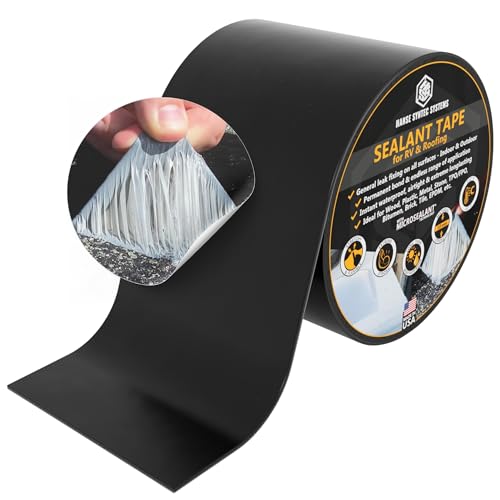
Explore our recommended tools and materials below. Every purchase supports our free content.
Shop Roof Repair Products →