Stains & Paints: The Complete Guide to Beautiful, Lasting Finishes
Understand the differences between stains and paints, choose the right products for every surface, and apply them like a seasoned professional.
Explore Recommended ProductsWhy Finishes Matter: The right stain or paint does more than change color—it protects your surfaces from moisture, UV damage, and daily wear. Whether you're refreshing a deck, refinishing furniture, or repainting a room, understanding how stains and paints work is the key to a result that looks great and lasts for years.
Stain vs. Paint: Understanding the Core Difference
Before choosing a product, it helps to understand how these two finishes interact with the surface. Stain soaks into porous materials like wood, coloring the fibers while leaving the natural grain visible. Paint, on the other hand, forms an opaque film on top of the surface that completely hides what lies beneath. Each approach has distinct advantages depending on the look you want and the protection your surface needs.
Wood Stains
- Penetrates the wood grain
- Enhances natural texture and pattern
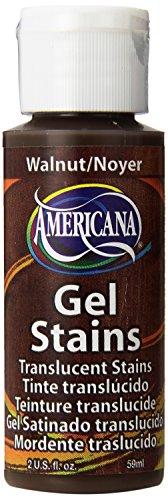
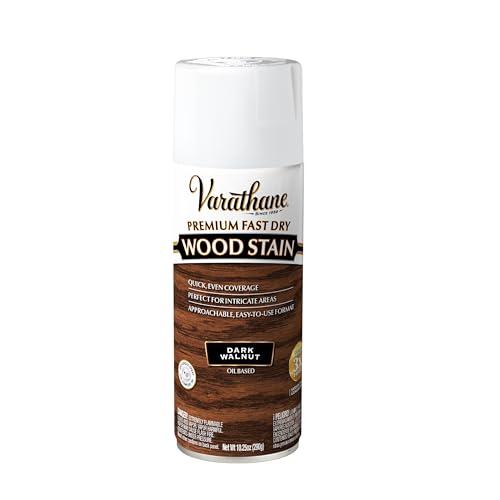
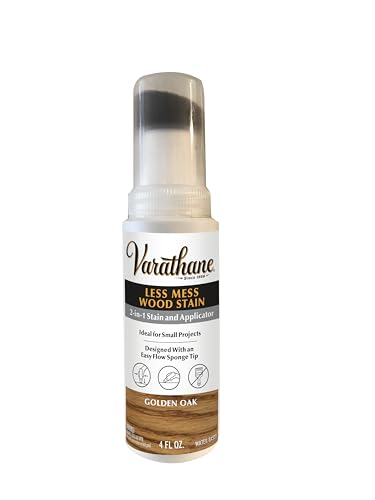
- Available in oil-based, water-based, and gel formulas
- Ideal for decks, furniture, fences, and siding
- Requires a separate topcoat for full protection
- Easier to touch up without visible patches
Paints
- Forms a solid film on the surface
- Provides opaque, uniform color
- Available in flat, eggshell, satin, semi-gloss, and gloss
- Ideal for walls, ceilings, trim, and exterior siding
- Offers excellent coverage and hiding power
- Can be tinted to virtually any color
Types of Stains and Where to Use Them
Stains come in several formulations, each suited to different materials and environments. Choosing the right type ensures proper adhesion, even color, and long-lasting protection. If you're planning a broader outdoor project, our guide on retaining walls and walkways and paths can help you coordinate finishes across your landscape.
| Stain Type | Best For | Application Notes |
|---|---|---|
| Oil-Based Stain | Exterior wood, furniture, decks | Deep penetration, longer working time, strong odor |
| Water-Based Stain | Interior furniture, cabinets, crafts | Fast drying, low odor, easy soap-and-water cleanup |
| Gel Stain | Vertical surfaces, delicate woods | Thick consistency, minimal drips, even color |
| Pre-Stain Conditioner | Soft woods like pine and maple | Prevents blotching, promotes even absorption |
| Penetrating Oil Finish | Decks, outdoor furniture, siding | Soaks in, protects from within, easy to refresh |
Paint Sheens Explained: Choosing the Right Finish
Paint sheen—also called gloss level—affects both appearance and durability. Higher sheens reflect more light and resist cleaning better, while lower sheens hide surface imperfections. For interior work, coordinate your paint choices with other finishing touches like wall art and window shutters for a cohesive result.
| Sheen Level | Best For | Durability & Cleaning |
|---|---|---|
| Flat / Matte | Ceilings, low-traffic walls, hiding imperfections | Low durability, difficult to clean |
| Eggshell | Living rooms, bedrooms, hallways | Moderate durability, easy spot cleaning |
| Satin | Family rooms, kitchens, kids' rooms | Good durability, washable surface |
| Semi-Gloss | Trim, doors, cabinets, bathrooms | High durability, scrubbable |
| High-Gloss | Accent trim, furniture, high-traffic surfaces | Maximum durability, highly reflective |
Understanding Product Tiers
Stains and paints are available across a range of quality tiers. While entry-level products can be suitable for small craft projects, mid-range and premium tiers typically offer better pigment quality, superior adhesion, and longer-lasting results. For large surfaces or high-exposure areas, investing in a higher tier often pays off through reduced maintenance and improved durability.
| Tier | Typical Characteristics | Best For |
|---|---|---|
| Entry-Level | Basic pigment load, thinner consistency, shorter open time | Craft projects, small touch-ups, practice pieces |
| Mid-Range | Good pigment quality, reliable adhesion, balanced drying time | Interior furniture, walls, weekend projects |
| Premium | Superior pigments, advanced resins, excellent coverage and durability | Exterior surfaces, high-traffic areas, long-term projects |
| Professional-Grade | Maximum performance, specialized formulas, extended working time | Contractor work, historic restorations, demanding environments |
Application Tips for Flawless Results
Achieving a professional-looking finish requires more than just the right product. Preparation, technique, and environmental conditions all play a role. These tips apply whether you're staining a deck, painting a room, or refinishing a piece of furniture. For projects that involve woodworking, pair these techniques with our guide on woodworking basics.
- Prepare the surface: Sand wood with a grit progression (80, 120, 220) and clean thoroughly before applying any product. For painted surfaces, patch holes and prime bare spots.
- Test in a hidden area: Always test stain or paint on a scrap piece or inconspicuous area to confirm color and compatibility.
- Work in ideal conditions: Avoid direct sunlight and extreme temperatures. Most products perform best between 50°F and 80°F with moderate humidity.
- Maintain a wet edge: When painting walls, work from dry to wet areas to avoid lap marks. For stains, work in smaller sections and wipe back excess before it dries.
- Apply thin coats: Multiple thin coats outperform one thick coat in both appearance and durability. Allow proper drying time between coats.
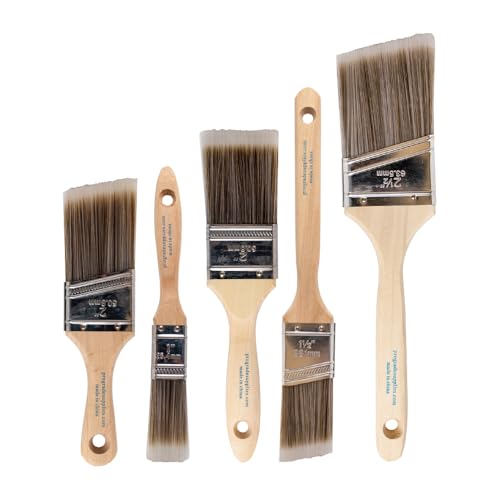
- Use the right tools: Quality brushes, rollers, and applicators make a noticeable difference. Reference our guide on tool basics for recommendations.
- Protect surrounding areas: Use drop cloths and painter's tape. Our guide on weatherstripping can help you seal and protect gaps before painting.
Maintaining Stained and Painted Surfaces
Regular maintenance extends the life of any finish. Stained wood outdoors typically needs reapplication every one to three years depending on exposure, while interior paint can last a decade or more with proper care. Inspect surfaces annually for cracking, peeling, or fading, and address issues early before they require full refinishing. If your project involves structural work, consult resources on structural repairs or renovations for professional guidance.
Frequently Asked Questions
What is the difference between stain and paint?
Stain penetrates wood to enhance its natural grain while adding color, whereas paint forms a solid film on the surface that completely covers the material. Stain preserves the wood's texture, while paint provides a uniform, opaque finish.
How do I choose between oil-based and water-based stains?
Oil-based stains offer deeper penetration and a longer working time, making them ideal for exterior projects and rich color. Water-based stains dry faster, have lower odor, and clean up easily with soap and water, making them suitable for indoor use.
What sheen should I choose for interior paint?
Flat sheen hides imperfections and is best for ceilings and low-traffic areas. Eggshell and satin offer easy cleaning for living rooms and hallways. Semi-gloss and high-gloss are durable and washable, ideal for kitchens, bathrooms, and trim.
How many coats of stain or paint do I need?
Most stains require one to two coats to achieve the desired color depth. Paint typically needs two coats for proper coverage and durability, though some premium paints may cover in a single coat over a similar color.
When to Call a Professional
While many staining and painting projects are manageable for confident DIYers, some situations benefit from professional expertise. Large exterior surfaces, historic homes, lead-based paint removal, and complex architectural details all warrant professional help. If your project involves major surface preparation or is part of a larger renovation, our guide on renovations companies near me can help you find qualified help. For projects that extend to outdoor structures, consider resources on sheds and trellises for compatible finishing approaches.