Workbenches: The Complete Guide to Choosing, Building & Setting Up Your Ideal Workshop Bench
A workbench is the backbone of any serious workshop. Whether you are a weekend woodworker, a home repair enthusiast, or a professional tradesperson, the right bench transforms how you build, repair, and create. This guide walks you through every decision — from bench type and material selection to placement, storage, and customization — so you can set up a workspace that works as hard as you do.
Why a workbench matters: A dedicated workbench provides a stable, organized surface for cutting, assembling, finishing, and repairing. It protects your tools, improves safety, and dramatically increases the efficiency of every project. Whether you are new to DIY or upgrading an existing shop, this guide covers the essential information you need to make a confident decision.
Types of Workbenches: Which Style Fits Your Workshop?
Workbenches come in several distinct designs, each optimized for different tasks and spaces. Understanding the strengths of each type helps you match a bench to your primary workflow.
Woodworking Bench
The classic choice for hand-tool woodworking. Features a heavy, solid top with integrated vises, dog holes, and a sturdy base that resists racking. Ideal for planing, joinery, and precision assembly. Mid-range and premium woodworking benches often include bench dogs and holdfasts for securing irregular workpieces.
Garage / Utility Bench
A versatile, heavy-duty bench designed for general repairs, automotive work, and storage. Often includes a lower shelf, pegboard back, and a durable top surface. Entry-level utility benches work well for light tasks, while high-end tier models handle heavier loads and harsher environments.
Folding / Portable Bench
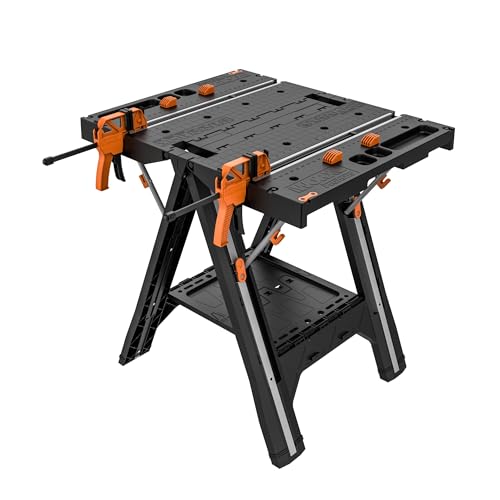
Space-saving solutions for small garages, apartments, or mobile jobs. These benches collapse or fold flat when not in use. Starter tier folding benches suit occasional tasks, while mid-range options offer sturdier legs and locking mechanisms for more demanding work.
Modular / Adjustable Bench
These systems let you reconfigure the bench height, add accessories, and expand the surface as your needs change. Professional-grade modular benches are common in commercial settings. A solid choice for makers who want long-term flexibility.
Key Features to Evaluate Before You Choose
Beyond bench type, several design and construction factors determine how well a workbench performs over time. Use this checklist to compare options confidently.
- Top Material: Solid hardwood (maple, oak) offers the best durability and shock absorption. Laminated hardwood is stable and resistant to warping. Steel or stainless steel tops excel in automotive and metalworking contexts. MDF or particleboard tops are entry-level options best suited to light assembly work.
- Base Construction: Look for reinforced steel frames or solid hardwood bases with cross-bracing. Heavy-duty construction reduces wobble and improves safety during forceful tasks. Avoid benches with thin legs or minimal bracing if you plan to use hand tools.
- Work Surface Area: A deeper top (24–30 inches) accommodates larger projects and clamps. Length depends on your space — a 48-inch bench suits most home workshops, while 72-inch and longer benches provide expansive assembly areas.
- Height: Standard bench height is 33–36 inches, but the ideal height depends on your body and task. For hand-tool woodworking, a higher bench (36–38 inches) reduces fatigue. For assembly and repair, a lower bench (32–34 inches) offers better leverage.
- Vises and Hold-Downs: A sturdy front vise is essential for woodworking. Bench dog holes allow you to secure workpieces at various angles. Some utility benches include integrated clamps or hold-down slots.
- Storage and Organization: Lower shelves, drawers, pegboard backs, and tool wells keep your workspace efficient. Consider a bench with integrated storage if you want to minimize clutter.
- Mobility: Locking casters let you move the bench around the shop and lock it in place for stability. Fixed-leg benches are more stable but harder to relocate.
Workbench Materials: Hardwood vs. Steel vs. Composite
The material of both the top and the frame influences durability, maintenance requirements, and the types of tasks the bench supports. Here is how the most common materials compare.
| Material | Best For | Durability Tier | Maintenance Notes |
|---|---|---|---|
| Solid Hardwood (Maple/Oak) | Hand-tool woodworking, precision assembly | Premium / Professional-grade | Periodic oiling; resists dents and shock |
| Laminated Hardwood | General woodworking, mixed-use shops | Mid-range / High-end tier | Stable; resists warping; easy to refinish |
| Steel / Stainless Steel | Automotive, metalworking, heavy repair | Commercial-grade | Rust-resistant coatings; wipe clean |
| MDF / Particleboard | Light assembly, craft projects | Entry-level / Starter tier | Requires edge sealing; avoid moisture |
| Plywood (Baltic Birch) | DIY builds, budget-conscious shops | Essential tier | Seal edges; strong for its class |
Placement and Setup: Getting the Most from Your Bench
A well-placed workbench improves workflow and safety. Consider these practical guidelines when planning your workshop layout.
- Lighting: Position the bench near adequate task lighting. Overhead fixtures combined with adjustable clamp lights reduce eye strain and improve precision. Explore workshop lighting options for ideas.
- Access and Clearance: Leave at least 30 inches of clearance on all working sides. For benches used with long stock, allow extra room at the ends for feeding material.
- Power Access: Place the bench near outlets or install a retractable cord reel. A power strip mounted to the bench frame keeps tools ready without clutter.
- Ventilation: If you plan to finish projects at the bench, ensure adequate airflow. A nearby window or exhaust fan helps dissipate fumes.
- Flooring: A level, solid floor improves bench stability. Anti-fatigue mats reduce strain during long sessions.
Build or Buy? Weighing the Options
Many woodworkers choose to build their own bench, gaining a custom fit and deep satisfaction. Others prefer the convenience and engineering of a manufactured bench. Both paths have clear advantages.
Building your own workbench allows you to tailor dimensions, storage, and features to your exact workflow. It is often a rewarding first project and can be completed with common materials and tools. If you are considering a DIY build, review wood selection guidance to choose the right lumber, and consult wood glue recommendations for strong joints. Plans for simple shelves and benches are widely available, and a workbench plan can serve as a proven starting point.
Buying a manufactured workbench saves time and guarantees engineered stability. Factory-built benches often include integrated vises, storage, and precision-machined surfaces. They are a strong choice for professionals or anyone who values immediate readiness. Entry-level manufactured benches suit light tasks, while premium and commercial-grade models deliver decades of reliable service.
For those upgrading a larger workshop, pairing a new bench with organized tool storage solutions and a dedicated tool organization system creates a workspace that supports efficient, safe work.
Workbench Maintenance: Keeping Your Bench in Top Shape
Regular maintenance extends the life of your bench and keeps it safe to use. Follow these simple practices.
- Clean the surface after each session: Remove sawdust, metal shavings, and chemical residue. A stiff brush and shop vacuum handle most cleanup.
- Inspect fasteners and joints: Tighten bolts and check for loosened joints every few months. A wobbly bench is a safety hazard.
- Treat wooden tops: Apply a thin coat of penetrating oil or paste wax to hardwood tops periodically. This protects against moisture and glue adhesion.
- Protect metal surfaces: Wipe steel tops with a rust-inhibiting oil. Inspect painted surfaces for chips and touch up as needed.
- Check casters and leveling feet: Ensure locking casters engage properly and leveling feet are secure. Replace worn components promptly.
Workbench Safety Essentials
A stable bench is the foundation of a safe workshop, but safe habits matter just as much. Keep these principles in mind.
- Never overload the bench beyond its rated capacity.
- Secure workpieces with clamps or vises before cutting or drilling.
- Keep the work surface clear of unnecessary tools and debris.
- Store heavy items on lower shelves to maintain a low center of gravity.
- Wear appropriate eye and ear protection when using power tools at the bench.
- Ensure the bench is level and stable before applying force.
Frequently Asked Questions About Workbenches
What is the ideal height for a workbench?
The ideal height depends on your body and primary tasks. For hand-tool woodworking, a bench surface around wrist height when standing (typically 36–38 inches) reduces fatigue. For general assembly and repair, a standard 33–36 inch height works well for most people. Test a bench in person if possible, or build to your own measurements.
How much weight should a workbench support?
A sturdy workbench should support at least 300–500 pounds for general tasks, while heavy-duty woodworking and automotive benches can handle 1,000 pounds or more. Check the manufacturer's rated capacity and choose a bench that exceeds your expected load.
Can I use a workbench in a small garage?
Yes. Folding, wall-mounted, and modular benches are designed for compact spaces. Choose a bench with a smaller footprint or one that folds flat against the wall when not in use. Casters also allow you to reposition the bench as needed.
Should I choose a hardwood or steel workbench top?
Hardwood tops are ideal for woodworking because they absorb shock, grip workpieces, and are gentle on tool edges. Steel tops excel in automotive and metalworking settings where durability and easy cleanup matter most. Match the top material to your primary tasks.
How do I prevent my workbench from wobbling?
Ensure all fasteners are tight, legs are level, and the bench sits on a solid floor. Add cross-bracing or a lower shelf to increase rigidity. If the floor is uneven, use shims or adjustable leveling feet. For heavy use, anchor the bench to the wall or floor if the design allows.
Final Thoughts: Building a Workshop That Works for You
A workbench is more than a table — it is the command center of your workshop. By choosing the right type, material, and features for your tasks, you create a space that supports precision, safety, and enjoyment for years to come. Whether you build a custom bench or select a manufactured model, invest in quality construction and plan your layout carefully. With the right bench and a bit of organization, every project becomes easier and more rewarding.