Lighting Upgrades: Transform Your Home with Better Light
From warm ambient glow to crisp task lighting, discover how a thoughtful lighting upgrade can change the look, feel, and functionality of every room — without a full renovation.
Browse Recommended Lighting ProductsLighting is one of the most overlooked elements of a home. Yet it shapes how a room feels, how well you can see to work, and even how your décor looks. A well-planned lighting upgrade is among the most rewarding improvements a homeowner can make — it improves comfort, reduces eye strain, and can lower energy use when paired with modern LED technology. Whether you are refreshing a single room or rethinking the whole house, understanding the fundamentals of lighting design will help you choose fixtures and bulbs that work together instead of competing.
This guide walks you through the different types of lighting, the fixtures that deliver each one, what to know about bulb specifications, and how to plan a layered lighting scheme for every room. For readers who want to coordinate lighting with a broader renovation, our interior remodeling overview is a helpful companion. If your project includes refreshing walls before you install new fixtures, see our guide to interior painting so the paint and lighting choices complement each other.
Layered Lighting: The Foundation of Every Good Scheme
Professional lighting designers rarely rely on a single overhead fixture. Instead, they build a scheme from three complementary layers. Getting these layers right is the single most important step in any lighting upgrade.
Ambient Lighting
The general illumination that fills a room — typically from ceiling fixtures, chandeliers, or recessed cans. It sets the overall mood and ensures safe navigation. Aim for even coverage rather than a single harsh source.
Task Lighting
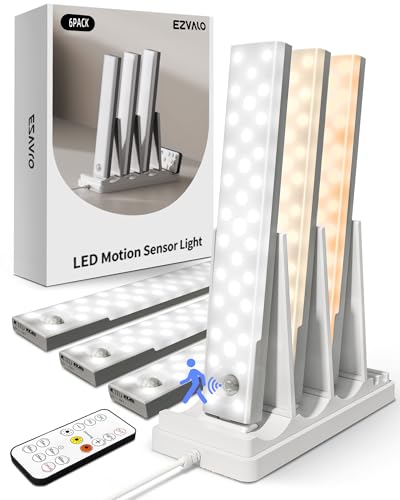
Focused light for specific activities: reading, cooking, grooming, or working. Under-cabinet strips, desk lamps, vanity bars, and pendant lights over islands all belong here. Position them to avoid glare and shadows.
Accent Lighting
Decorative highlights that add depth and drama — picture lights, wall sconces, track heads aimed at art, or LED strips behind a TV. Accent lighting is the layer that makes a room feel designed rather than merely lit.
Light Fixture Types and Where to Use Them
Once you understand the layers, the next step is choosing the right fixtures. The table below summarizes the most common fixture categories, their purpose, and typical placement. Use it as a quick reference when planning your upgrade.
| Fixture Type | Lighting Layer | Best Placement | Notes |
|---|---|---|---|
| Recessed cans | Ambient | Kitchens, hallways, living rooms | Choose adjustable trims for flexibility |
| Pendant lights | Task / Accent | Kitchen islands, dining tables, entryways | Group in odd numbers for visual balance |
| Chandeliers | Ambient / Accent | Dining rooms, foyers, stairwells | Match scale to ceiling height and table size |
| Wall sconces | Accent / Task | Hallways, bathrooms, flanking a bed | Great for adding vertical interest |
| Under-cabinet strips | Task | Kitchens, home offices, laundry | Look for dimmable, warm-white models |
| Track lighting | Accent / Task | Art walls, kitchens, sloped ceilings | Adjustable heads make it versatile |
| Floor and table lamps | Task / Accent | Living rooms, bedrooms, reading corners | The easiest upgrade — no wiring needed |
If you are also updating the fixtures that share a circuit — such as switches, outlets, or ceiling fans — take a moment to review our light fixtures guide for installation basics and safety considerations before you begin.
Bulb Basics: Lumens, Kelvin, and CRI Explained
The fixture is only half the story. The bulb you put inside it determines color, brightness, and efficiency. Here are the three specifications that matter most:
- Lumens measure brightness. As a rule of thumb, living rooms and bedrooms need roughly 10–20 lumens per square foot, while kitchens and workspaces need 30–40. Higher lumens do not always mean better — match output to the task.
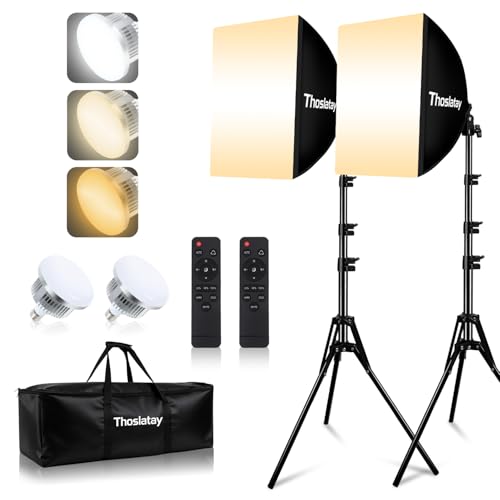
- Kelvin (K) describes color temperature. Warm white (2700K–3000K) feels cozy and is ideal for living rooms and bedrooms. Neutral white (3500K–4000K) works well in kitchens and bathrooms. Cool white (5000K–6500K) suits garages and task-heavy areas.
- CRI (Color Rendering Index) measures how accurately a bulb renders colors. Look for CRI of 90 or higher in spaces where color matters — bathrooms, kitchens, and anywhere you display art or textiles.
When shopping, prioritize bulbs that are dimmable and compatible with your dimmer switch. A high-quality dimmable LED in the mid-tier range will usually outperform a non-dimmable entry-level bulb in both longevity and light quality. If you are also upgrading the room's paint or trim, our interior painting guide explains how to test paint colors under different light temperatures.
Room-by-Room Lighting Upgrade Ideas
Different rooms call for different balances of ambient, task, and accent light. Below are practical recommendations for the most common spaces.
Living Room
Start with a dimmable ambient source such as a chandelier or recessed cans on a dimmer, then add floor and table lamps for task and accent layers. Consider wall sconces flanking a fireplace or art piece. Warm white bulbs (2700K–3000K) keep the room inviting in the evening.
Kitchen
Kitchens demand bright, even task lighting. Combine recessed cans for ambient light with under-cabinet strips for counters and pendants over an island. Choose neutral white (3500K–4000K) with a CRI of 90 or higher so food looks its best. If your kitchen upgrade is part of a larger remodel, our kitchen upgrades guide covers complementary improvements.
Bedroom
Soft ambient light plus adjustable reading lamps or sconces is the classic combination. Dimming is essential — a bedside dimmer makes a real difference to comfort. Warm white bulbs and low-glare fixtures help wind down in the evening.
Bathroom
Vanity lighting is the priority: place fixtures at eye level on either side of the mirror rather than directly overhead to avoid shadows on the face. Add a separate ambient ceiling fixture and consider a warm night-light. Neutral white bulbs with high CRI flatter skin tones.
Home Office
Task lighting is king here. A good desk lamp with adjustable arm and a neutral-white bulb reduces eye strain. Add ambient ceiling light on a dimmer and, if possible, position the desk so natural light comes from the side rather than directly behind the screen.
Smart Lighting and Dimming Controls
Smart lighting has moved from novelty to practical upgrade. Modern smart bulbs and switches let you schedule lights, change color temperature by time of day, and control rooms with voice assistants or a phone. For most homeowners, the simplest path is to start with a few smart bulbs in lamps, then move to smart switches if you want to control recessed or hardwired fixtures.
Dimming is closely related and often overlooked. Not all LEDs dim smoothly with all dimmers — always check compatibility between the bulb and the dimmer switch. A good dimmer in the mid-range tier will usually give you smoother, flicker-free performance than an entry-level model paired with a basic LED. If your lighting upgrade accompanies broader electrical work, review our light fixtures resource for wiring and safety fundamentals, and consider whether any outlets or switches in the same area also need attention.
Installation Tips and Safety Considerations
Many lighting upgrades are well within reach of a confident DIYer — swapping a pendant, installing a plug-in sconce, or replacing a bulb and dimmer. Others, such as adding new recessed cans or running new circuits, involve opening ceilings and working with line voltage.
- Always turn off power at the breaker before working on any fixture, and verify with a non-contact voltage tester.
- Check local electrical codes and any homeowner association rules before making structural changes.
- Use fixtures rated for the location — damp-rated for bathrooms, wet-rated for outdoors.
- If you are unsure about wiring, hire a licensed electrician. Lighting is not the place to guess.
- When adding fixtures to an existing circuit, confirm the circuit can handle the added load.
If your lighting upgrade coincides with a broader improvement plan, our home improvement section covers project sequencing and planning so you can coordinate trades and timelines more effectively.
Common Lighting Upgrade Mistakes to Avoid
- Relying on a single overhead light. One bright fixture creates glare and shadows. Layer your light instead.
- Mixing color temperatures in one room. A 2700K lamp next to a 5000K bulb looks inconsistent. Choose one temperature per room or per layer.
- Ignoring CRI. Low-CRI bulbs make colors look dull and can make a newly painted wall look off. Look for 90+ in color-critical spaces.
- Skipping dimmers. Dimming adds flexibility and comfort for a modest extra investment.
- Choosing fixtures that are too small for the space. Scale matters — especially with pendants over an island or a chandelier over a dining table.
- Forgetting the outdoor layer. Landscape and entry lighting extends your living space and improves safety. Our landscaping guide covers outdoor design basics.
Frequently Asked Questions
What is the best color temperature for home lighting?
Are LED lights worth upgrading to?
How many lumens do I need per room?
Can I install recessed lighting myself?
What is layered lighting?
Ready to Upgrade Your Lighting?
A thoughtful lighting upgrade is one of the highest-impact improvements you can make to your home. By planning layers, choosing the right fixtures, and paying attention to lumens, Kelvin, and CRI, you can create rooms that feel comfortable, functional, and beautifully lit. Start with one room, build from there, and let the improvements compound. When you are ready to shop, the recommended products below are a practical starting point for common lighting upgrade projects.