Master Your Grip: The Ultimate Pliers Guide
From DIY repairs to professional projects, learn everything about pliers — types, uses, and how to choose the best pair for your toolbox.
Why pliers are indispensable: Whether you're a weekend warrior or a seasoned pro, a quality set of pliers is the backbone of any toolkit. This guide will help you understand the different types, their specific uses, and what to look for when buying your next pair. By the end, you'll have the confidence to select the right tool for any gripping, cutting, or bending task.
Essential Types of Pliers Every Toolbox Needs
Slip-Joint Pliers
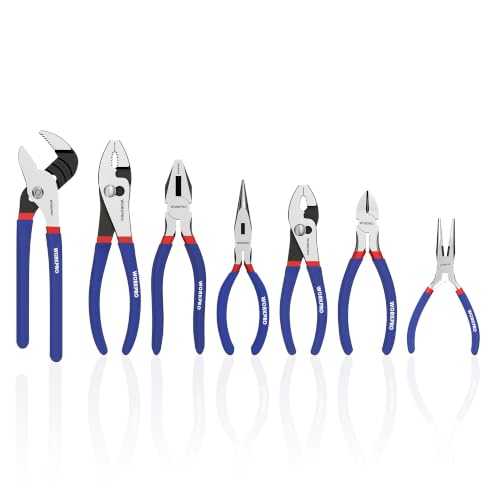
The classic multi-purpose pliers. Featuring an adjustable pivot, they can grip objects of varying sizes. Ideal for general gripping, bending, and turning nuts and bolts. A must-have for any toolbox.
- Best for: General household repairs, plumbing, automotive.
- Key feature: Adjustable jaw position.
Lineman's Pliers
Also known as combination pliers, these are heavy-duty workhorses. They feature a strong grip, a crimping section, and a built-in wire cutter. Essential for electrical work and heavy cutting tasks.
- Best for: Electrical work, cutting wire, gripping large objects.
- Key feature: Integrated wire cutter and crimper.
Needle-Nose Pliers
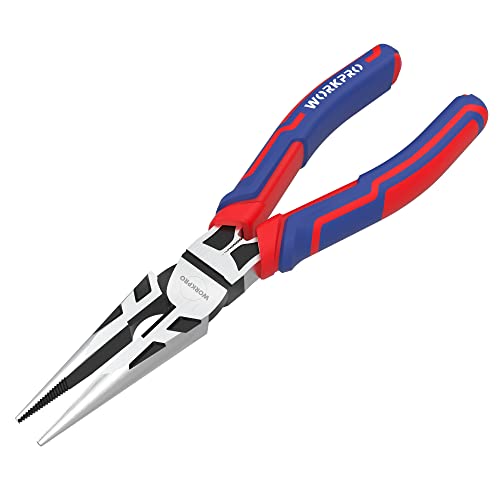
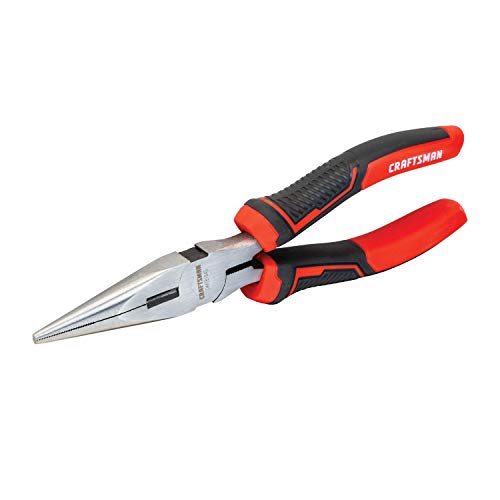
With long, tapered jaws, these pliers excel at reaching into tight spaces, bending wire, and holding small objects. Perfect for precision work like jewelry making, electronics, and detailed home improvement tasks.
- Best for: Precision work, electronics, jewelry, small parts.
- Key feature: Long, narrow jaws for reaching tight spots.
Locking Pliers (Vise-Grip)
These pliers lock onto an object, providing a secure, hands-free grip. They act as a temporary vise or clamp, ideal for holding materials together while you work, or for gripping stubborn, rounded bolts.
- Best for: Clamping, holding, removing stripped bolts.
- Key feature: Locking mechanism for hands-free use.
Diagonal Cutting Pliers
Commonly called "dikes," these are designed specifically for cutting wire, cables, and small nails. They provide a clean, flush cut and are a staple for any wiring or electrical project.
- Best for: Cutting wire, cable, and small nails.
- Key feature: Flush-cutting blades for clean cuts.
Long Reach Pliers
These feature extended handles and jaws, allowing you to grip objects deep within machinery or engines. They are indispensable for automotive repairs and plumbing where access is limited.
- Best for: Accessing hard-to-reach areas in engines or plumbing.
- Key feature: Extended length for deep reach.
How to Choose the Right Pliers for Your Project
Caring for Your Pliers
To ensure your pliers last a lifetime, follow these simple maintenance tips:
- Clean after use: Wipe off dirt, grease, and debris with a clean cloth.
- Lubricate joints: Apply a drop of light machine oil to the pivot point to prevent rust and ensure smooth operation.
- Inspect for damage: Check for worn teeth, bent jaws, or dull cutting edges. Sharpening or replacing may be necessary.
- Store properly: Keep them in a dry place to avoid rust. A tool organizer or pouch is ideal.
- Avoid overloading: Don't use pliers for tasks they aren't designed for, such as using them as a hammer or on oversized fasteners.
Frequently Asked Questions About Pliers
What are the most versatile pliers for a beginner?
A good set of slip-joint pliers and a pair of needle-nose pliers are an excellent starting point. They cover 80% of household and DIY needs. You can also consider a 3-piece set that includes lineman's pliers.
Can I use pliers for plumbing work?
Yes, specially designed plumbing tools like tongue-and-groove pliers (Channellock-style) are excellent for gripping pipes and fittings. However, always use the correct type to avoid damaging soft metal pipes.
What is the difference between pliers and a wrench?
Pliers are adjustable and grip by squeezing, making them great for grabbing, bending, and cutting. Wrenches, on the other hand, are designed to fit specific nut and bolt sizes securely without slipping, preventing rounding off fasteners.
How do I fix stiff or rusty pliers?
Apply a penetrating oil like WD-40 to the pivot joint, let it sit for a few minutes, then work the jaws open and closed to work the oil in. Wipe away excess. For more extensive rust, consider a rust removal process.