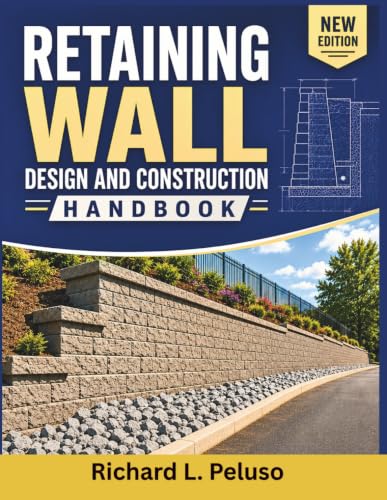
Retaining Walls: The Ultimate Guide
From materials and costs to design and installation — everything you need to build a durable, beautiful retaining wall that stands the test of time.
Explore Wall TypesA well-designed retaining wall is more than just a functional structure — it adds visual appeal, prevents soil erosion, and creates usable outdoor space. Whether you're dealing with a sloped yard or simply want to define garden beds, understanding the options available is key to making the right choice. This guide covers everything from types of retaining walls and materials to cost estimates and step-by-step installation insights.
1. Types of Retaining Walls
Gravity Walls
Rely on their own weight to resist soil pressure. Typically made of stone, concrete, or masonry. Best for heights up to 4 feet.
- Materials: Natural stone, concrete blocks, brick
- Cost: $15–$35 per sq. ft.
- Lifespan: 50+ years
Cantilever Walls
Reinforced concrete with a base slab that transfers pressure to the soil. Ideal for walls 4–20 feet high.
- Materials: Reinforced concrete, steel rebar
- Cost: $30–$60 per sq. ft.
- Lifespan: 50+ years
Sheet Pile Walls
Driven deep into the ground using steel, vinyl, or wood. Perfect for tight spaces or waterfront properties.
- Materials: Steel, vinyl, timber
- Cost: $20–$50 per sq. ft.
- Lifespan: 25–75 years (depends on material)
Anchored Walls
Reinforced with anchors driven into the soil behind the wall. Suitable for high-load or tall walls.
- Materials: Concrete, steel, tiebacks
- Cost: $50–$100+ per sq. ft.
- Lifespan: 50+ years
2. Material Options & Cost Guide
| Material | Cost per sq. ft. | Pros | Cons |
|---|---|---|---|
| Natural Stone | $25–$40 | Unique, natural look; durable | Labor-intensive, heavy |
| Concrete Blocks | $12–$25 | Affordable, easy to install | Less natural appearance |
| Timber | $10–$20 | Low cost, easy to work with | Requires treatment, shorter lifespan |
| Brick | $20–$35 | Classic look, low maintenance | Limited height capacity |
| Gabion | $15–$30 | Excellent drainage, rustic style | May require more space |
* Prices are estimates and may vary based on region, labor, and accessibility. Always get multiple quotes.
3. Design & Planning Essentials
Key considerations before you start:
- Soil type & drainage: Proper drainage prevents hydrostatic pressure. Consider using perforated pipe and gravel backfill.
- Height & loading: Check local building codes for height limits and engineering requirements.
- Aesthetics: Match the wall style to your home’s exterior. Explore outdoor & garden ideas for inspiration.
- Permits: Most walls over 3 feet require a permit. Review permits guide for local regulations.
Planning ahead also means understanding the impact on your landscape. For example, if you're building a wall near a patio, you might want to coordinate with patio pavers or integrate with a walkway. Proper drainage is critical—combine your wall with a drainage solution to avoid water damage.
4. Installation: Step-by-Step Overview
While hiring a professional is recommended for walls over 3 feet, many homeowners successfully build smaller gravity walls as a DIY project. The process generally follows these steps:
- Excavation: Dig a trench for the base (6–12 inches deep, depending on wall height).
- Base Preparation: Lay a compacted gravel base (4–6 inches) and level it.
- First Course: Place the first row of blocks or stones, ensuring they are level and aligned.
- Backfill & Drainage: Add gravel behind the wall and install a drainage pipe.
- Build & Compact: Continue layering, compacting each course, and checking level.
- Finishing: Cap the wall, backfill soil, and add landscaping.
If you're new to outdoor projects, start with a small garden wall to build confidence. For larger projects, consider consulting a home renovation contractor to ensure structural integrity.
5. Maintenance & Longevity
A well-built retaining wall can last decades with minimal upkeep. Regular maintenance includes:
- Cleaning: Remove debris and moss to prevent moisture buildup.
- Drainage: Ensure weep holes and drainage pipes are clear.
- Repairs: Address cracks or bulges promptly to avoid structural failure.
- Seasonal: In winter, check for frost heave; in spring, inspect for erosion.
For more outdoor care tips, explore our guides on lawn care, garden hacks, and seasonal maintenance.
Ready to Build Your Retaining Wall?
Explore the best materials, tools, and professional services to bring your vision to life. Start your project today with confidence.
Shop Recommended Products