Raised Garden Beds: Grow More, Worry Less
Unlock the secret to a thriving vegetable garden. Our complete guide covers the best raised bed kits, materials, soil mix, and expert tips to help you harvest bigger, healthier crops—even in small spaces.
Shop Top-Rated Raised BedsRaised garden beds are one of the smartest investments for any gardener—beginner or expert. They offer better drainage, weed control, and soil quality, all while reducing back strain. Whether you want to grow vegetables, herbs, or flowers, a raised bed can extend your growing season and improve yields dramatically. In this guide, we’ll walk you through everything you need to know, including the best materials, soil recipes, and maintenance tips. And if you're ready to buy, we've curated the best raised garden bed kits available right now.
Best Raised Garden Beds at a Glance
| Product | Material | Size | Price | Rating |
|---|---|---|---|---|
| Vego Garden 17" Tall | Aluminum | 4×8 ft | $350+ | ⭐ 4.8 |
| Greenes Fence Cedar Kit | Cedar | 4×4 ft | $180+ | ⭐ 4.7 |
| Best Choice Raised Bed | Galvanized Steel | 4×8 ft | $125+ | ⭐ 4.6 |
| Keter Urban Bloomer | Resin | 31"×15" | $80+ | ⭐ 4.5 |
Why Choose Raised Garden Beds?
Raised beds offer a host of benefits that traditional in-ground gardening simply can’t match:
- Superior Soil Control: You fill the bed with high-quality soil, avoiding poor native dirt. Perfect for areas with clay, sand, or rocky soil.
- Better Drainage: Excess water drains easily, preventing root rot and waterlogged plants.
- Fewer Weeds: Raised beds are elevated, so weed seeds from the surrounding ground are less likely to invade.
- Easier on Your Back: No more bending over; many beds are 11–17 inches tall, making gardening comfortable.
- Extended Growing Season: Soil warms faster in spring, allowing you to plant earlier and harvest longer.
- Pest Protection: Elevated beds are harder for slugs, rabbits, and other pests to reach.
Whether you're a beginner gardener or a seasoned pro, raised beds are a game-changer. If you're planning a larger landscape, consider integrating them with raised bed systems alongside container gardening for maximum flexibility.
Which Raised Bed Material Is Best?
✓ Cedar & Redwood
- Naturally rot-resistant
- Beautiful, natural look
- Safe for edible plants
- Moderate cost
✗ Pressure-Treated Lumber
- Chemicals may leach (avoid for edibles)
- Shorter lifespan than cedar
- Can warp over time
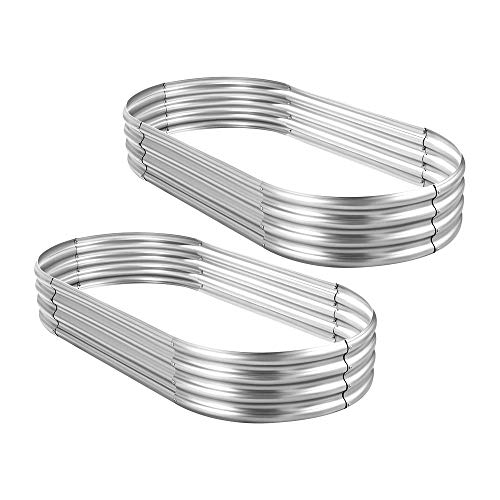
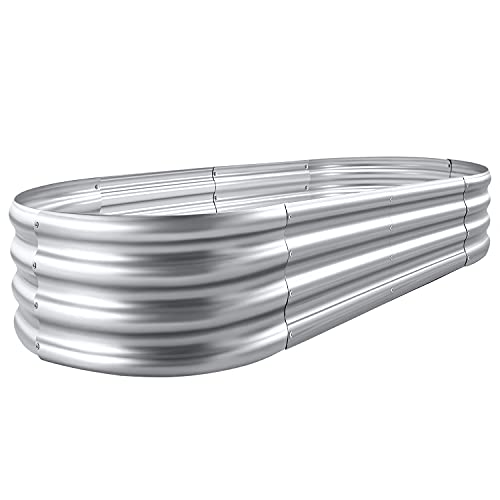
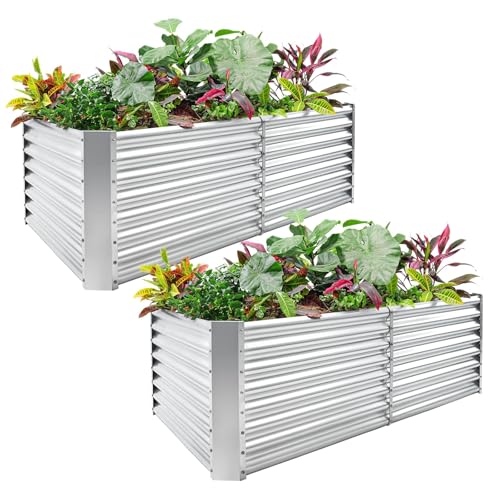
✓ Galvanized Steel
- Extremely durable (lasts 20+ years)
- Rust-resistant
- Modern, clean look
- Great for large gardens
✓ Composite & Resin
- Low maintenance
- Lightweight and easy to assemble
- No rot or splintering
- Affordable entry point
For most gardeners, cedar or galvanized steel offer the best balance of longevity, aesthetics, and safety. If you're on a budget, resin kits like the Keter Urban Bloomer are excellent for small spaces or patios. Learn more about soil and fertilizer guides to get the most out of your chosen material.
How to Build a Raised Garden Bed (Step-by-Step)
- Choose a Location: Pick a spot with at least 6–8 hours of sunlight. Avoid low areas where water pools.
- Select Your Material: Based on your budget and style, choose cedar, steel, or composite.
- Size Matters: Keep beds 3–4 feet wide so you can reach the center from either side. Length can be up to 8–12 feet.
- Prepare the Ground: Remove grass or weeds, then level the area. If you have gophers or moles, consider adding hardware cloth at the bottom.
- Assemble the Bed: Follow your kit instructions or build from scratch. Secure corners with screws or brackets.
- Fill with Soil: Use the "Mel's Mix" formula: 1/3 compost, 1/3 peat moss or coconut coir, 1/3 vermiculite. This provides perfect drainage and nutrients.
- Plant & Water: Add your vegetable starts or seeds. Water deeply and keep the soil consistently moist.
For more detailed outdoor projects, check out our guides on patio pavers installation and garden lighting ideas to complement your new raised bed.
Best Soil Mix & Planting Strategies
The secret to a productive raised bed is the soil. A high-quality mix will save you from headaches all season. Here's what we recommend:
- Compost: Use high-quality, well-rotted compost for nutrients and beneficial microbes.
- Aeration: Peat moss or coconut coir keeps the soil light and airy, promoting strong root growth.
- Drainage: Vermiculite or perlite improves drainage and water retention.
For planting, consider succession planting to maximize your harvest. Start with cool-weather crops like lettuce and peas, then move to tomatoes and peppers as the season warms. If you're new to gardening, our vegetable gardening guide will walk you through every step. Also, remember to test your soil pH and amend as needed—learn more in our soil guides.
Raised Bed Maintenance & Seasonal Care
Raised beds are relatively low-maintenance, but a little care goes a long way. Here are expert tips to keep your beds productive year after year:
- Add compost each spring: Top off your beds with 1–2 inches of fresh compost to replenish nutrients.
- Mulch to retain moisture: Apply straw, wood chips, or leaf mulch to reduce watering and suppress weeds.
- Rotate crops: Move plant families (like nightshades, brassicas, legumes) to different beds each year to prevent soilborne diseases.
- Water deeply, not frequently: Soak the soil 6–8 inches deep once or twice a week (more in hot weather).
- Protect in winter: In cold climates, cover beds with a layer of mulch or a cold frame to extend the season. You can also plant a cover crop like winter rye to improve soil health.
For more on home systems that support your garden, explore irrigation systems for automated watering, and compost bins to create your own nutrient-rich soil.
Frequently Asked Questions
How deep should a raised garden bed be?
For most vegetables, a depth of 10–12 inches is sufficient. For root vegetables like carrots and potatoes, aim for 14–18 inches. Taller beds (20+ inches) are great for accessibility and better drainage.
Can I put a raised bed on concrete or grass?
Yes! For concrete, choose a deeper bed (at least 12 inches) and ensure good drainage. For grass, you can place the bed directly on the lawn—just add a layer of cardboard to smother the grass, then fill with soil.
What vegetables grow best in raised beds?
Tomatoes, peppers, cucumbers, lettuce, spinach, carrots, onions, beans, and herbs all thrive in raised beds. The improved soil and drainage lead to healthier plants and larger yields.
How much does a raised garden bed cost?
Costs vary widely. DIY cedar beds can be built for $100–200, while premium galvanized steel kits run $300–600. Resin and composite options start around $80 for small units. Our product section below features top-rated options at the best prices.
Ready to Build Your Dream Garden?
Browse our curated selection of the best raised garden beds. From cedar to galvanized steel, find the perfect kit for your space and start growing today.
Shop Raised Beds Now