Ultimate Trellis Guide: Designs, Plans & Installation Tips
Discover everything you need to know about trellises – from choosing the right materials and designs to step-by-step DIY installation. Support your climbing plants and transform your garden with beautiful, functional trellis structures.
Shop Recommended Trellis ProductsA well-designed trellis is more than just a garden support structure – it's an essential element that enhances your outdoor garden aesthetics while providing vital support for climbing plants. Whether you're growing roses, clematis, cucumbers, or beans, a properly installed trellis can transform your garden into a lush, vertical paradise.
In this comprehensive guide, we'll explore everything about trellises, including design options, material selection, installation techniques, and creative ideas to maximize your garden's potential. From simple wooden structures to intricate metal designs, you'll find the perfect trellis solution for your space.
Why Your Garden Needs a Trellis
🌱 Maximizes Garden Space
Trellises allow plants to grow vertically, making them ideal for small gardens, patios, and urban spaces. By directing growth upward, you can grow more plants in less area.
🏡 Enhances Visual Appeal
A well-designed trellis adds structure and elegance to your garden. It creates natural privacy screens, defines garden rooms, and provides a stunning backdrop for flowering vines.
🌿 Improves Plant Health
Elevating plants improves air circulation, reduces disease risk, and ensures better sun exposure. This leads to healthier plants and more abundant harvests, especially for vegetable gardens.
Types of Trellis Designs
When selecting a trellis, consider both function and style. Here are the most popular trellis designs to consider for your garden:
1. Flat Trellis Panels
These classic trellises consist of a flat, grid-like structure perfect for supporting climbing roses, clematis, and other flowering vines. They work well against walls, fences, or as freestanding dividers. Flat trellis panels are versatile and can be customized to fit any space.
2. Arched Trellises
Arched trellises create beautiful garden entryways, tunnel effects, and romantic pathways. They're ideal for climbing roses, wisteria, and trumpet vines. An arched trellis adds architectural interest while providing robust support for heavy climbing plants.
3. Living Screen Trellises
These are designed to create privacy barriers and natural fences. Living screen trellises support dense-growing plants that form a green wall, perfect for creating secluded outdoor living spaces, privacy screens, or blocking unsightly views.
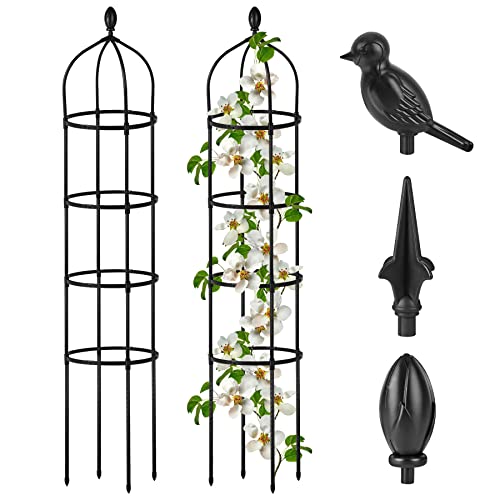
4. Obelisk Trellises
These conical, pyramid-shaped trellises are perfect for supporting lightweight vines like morning glories, black-eyed Susans, and sweet peas. Obelisk trellises serve as garden focal points and work well in container gardens or flower beds.
5. Vegetable Trellises
Designed specifically for edibles, vegetable trellises are robust structures that support heavy plants like cucumbers, tomatoes, beans, and peas. They help keep vegetables off the ground, reduce pest problems, and make harvesting easier.
6. Wall-Mounted Trellises
These are attached directly to exterior walls, fences, or pergolas. Wall-mounted trellises are excellent for creating green walls, covering unsightly surfaces, or adding vertical interest to bare walls. They're available in various materials and patterns.
Trellis Materials: Wood, Metal & Vinyl Compared
Choosing the right material for your trellis is crucial for longevity, maintenance, and performance. Here's a comprehensive comparison of the most common trellis materials:
| Material | Durability | Maintenance | Cost | Best For |
|---|---|---|---|---|
| Wood | 5-15 years with treatment | Regular sealing/staining | $30–$150 | Natural aesthetics, DIY projects |
| Metal | 20+ years | Minimal | $50–$300 | Durability, modern design |
| Vinyl | 25+ years | Virtually none | $80–$250 | Low maintenance, longevity |
💡 Material Selection Tips
- Wood trellises offer natural beauty and are easy to work with for DIY enthusiasts. Choose pressure-treated lumber or naturally rot-resistant wood like cedar or redwood for maximum durability.
- Metal trellises provide superior strength and longevity. Wrought iron and powder-coated steel resist rust and weather well, making them ideal for heavy climbers and permanent installations.
- Vinyl trellises are virtually maintenance-free and won't rot, warp, or split. They're an excellent choice for gardeners who prefer minimal maintenance.
- For vegetable gardening, consider metal or sturdy wood trellises that can support heavy crops like cucumbers and squash.
How to Install a Trellis: Step-by-Step Guide
Proper installation ensures your trellis can support the weight of mature plants and withstand weather conditions. Follow these steps for a successful trellis installation:
Step 1: Choose the Perfect Location
Select a location that receives appropriate sunlight for your chosen plants. Consider the plant's sunlight requirements, soil conditions, and the visual impact on your garden. For example, garden lighting can enhance your trellis at night if placed strategically.
Step 2: Prepare Your Materials
Whether you're building from scratch or purchasing a pre-made trellis, ensure you have all necessary materials, including: posts, crossbeams, mesh or lattice panels, screws, anchors, and post-hole digger.
Step 3: Install Support Posts
For ground-installed trellises, dig holes at least 2 feet deep for each post. Set posts in concrete or compacted gravel for stability. Use a level to ensure posts are perfectly vertical. For retaining walls or raised beds, you may need special mounting hardware.
Step 4: Attach the Trellis Panel
Secure the trellis panel or grid to the support posts. Use weather-resistant screws and brackets. Ensure the panel is level and securely fastened at multiple points.
Step 5: Add Climbing Support
Train young plants by gently tying stems to the trellis as they grow. Use soft garden ties that won't damage the plants. As plants mature, they'll naturally weave through the trellis.
Best Plants for Trellises
Choosing the right climbing plants for your trellis depends on your climate, sunlight conditions, and aesthetic preferences. Here are some excellent options for different types of trellises:
🌺 Flowering Vines
- Roses (Climbing and Rambling): Classic beauty with stunning blooms. Perfect for large, sturdy trellises.
- Clematis: Available in many colors and bloom times. Great for flat trellises and living screens.
- Honeysuckle: Fast-growing with fragrant flowers. Excellent for covering large pergolas and arbors.
- Wisteria: Dramatic cascading blooms. Requires a very sturdy trellis structure.
🌿 Edible Climbers
- Cucumbers: Perfect for vegetable trellises. Keep fruits clean and harvest easier.
- Pole Beans: Rapid growers that cover a trellis quickly. Excellent for vegetable gardening.
- Tomatoes: Tall varieties benefit greatly from trellis support.
- Squash and Pumpkins: Heavy climbers that require very strong supports.
🌳 Evergreen Vines
- Ivy: Dense, year-round coverage for privacy screens.
- Star Jasmine: Sweetly scented and evergreen in mild climates.
- Trumpet Vine: Fast-growing with spectacular orange flowers.
Creative Trellis Ideas for Every Garden
Think beyond the traditional trellis! These creative ideas can transform your garden in unique ways:
🌻 Living Fence and Privacy Screens
Create natural privacy by combining trellises with dense-growing evergreen vines. This living wall approach adds beauty while screening unwanted views. For lawn care enthusiasts, this creates a seamless garden extension.
🏗️ Trellis Archways
Install multiple trellis arches to create a stunning tunnel effect in your garden. This works particularly well with fragrant climbers like roses and honeysuckle.
🪴 Container Garden Trellises
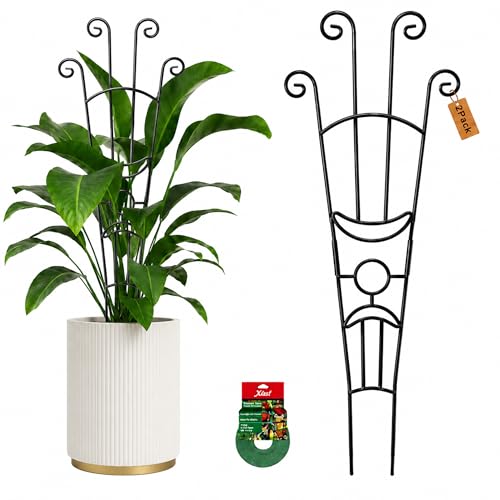
Small obelisk trellises can be placed in large containers to grow compact climbing plants on patios and balconies. Perfect for container gardening in urban spaces.
🛋️ Outdoor Living Room Walls
Use trellises to create outdoor room dividers in your outdoor furniture spaces. They provide visual separation while supporting beautiful climbing plants.
🌺 Water Feature Accents
Place a trellis behind a water feature to create a stunning backdrop. Plants cascading from the trellis can soften the edges of water features.
🏡 Garden Shed Enhancements
Add a trellis to your sheds or garden buildings to cover unattractive walls and create a more integrated garden look.
🔥 Fire Pit Backdrops
Position a trellis behind your fire pits to create a cozy, intimate atmosphere while providing wind protection.
Trellis Maintenance Tips
🔧 Keeping Your Trellis in Top Shape
- Regular Inspections: Check your trellis for loose connections, rust, or rot at least twice a year.
- Cleaning: Remove debris, dead leaves, and plant material that can trap moisture and cause decay.
- Wood Treatment: Apply wood sealant or stain every 2-3 years to protect against moisture and pests.
- Metal Care: Touch up paint on metal trellises to prevent rust, especially in coastal areas.
- Pruning Support: Regularly prune plants to prevent them from becoming too heavy and to maintain proper air circulation.
- For seasonal maintenance, spring is the perfect time to inspect and prepare your trellis for the growing season.
Top Benefits of Using Trellises
🌿 Healthier Plants
Elevated plants get better airflow, reducing fungal diseases and improving overall plant health. Enhanced light exposure means faster, more robust growth.
🍅 Better Harvests
Vegetables grown on trellises are easier to pick and less prone to ground-borne diseases. You'll see larger, cleaner produce with less effort.
🏡 Property Value
Well-designed trellises can increase your home's curb appeal and add significant value to your property by creating an inviting outdoor space.
Frequently Asked Questions About Trellises
What size trellis do I need for my plants?
Consider your plant's mature size. Small vines may only need a 3-4 foot trellis, while vigorous climbers like wisteria may need 8-10 feet or more. Always provide a sturdy structure that can support your plant's full size.
Can I build a DIY trellis?
Absolutely! Many simple trellis designs are perfect for DIY projects. For beginners, consider starting with a flat wood panel design. More ambitious builders can create intricate designs using various home improvement techniques and tools.
How far apart should trellis posts be?
Typically, 6-8 feet apart is recommended for most trellis designs. However, the spacing depends on your trellis type and the strength needed to support your plants.
What's the best material for a trellis?
It depends on your priorities: DIY vs. hiring a pro considerations, budget, aesthetic preferences, and local climate. Wood offers natural beauty, metal provides durability, and vinyl requires minimal maintenance.
Ready to transform your garden with a beautiful trellis?
Browse our selection of premium trellis products and find the perfect support for your climbing plants. Click below to explore our recommended trellis solutions.
Shop Trellis Products