Outlets & Switches: The Complete Guide to Safe Electrical Upgrades
Discover how to modernize your home's electrical system with confidence. From GFCI protection to smart switches, learn the essential knowledge that transforms a confusing DIY task into a manageable, rewarding project.
Why Outlets and Switches Matter More Than You Think
Electrical outlets and switches are the unsung heroes of your home. You use them dozens of times each day, yet most homeowners never give them a second thought—until something goes wrong. According to electrical safety authorities, faulty outlets and switches are among the leading causes of residential electrical fires, with outdated wiring and worn-out components creating hidden hazards behind your walls.
But there's another side to this story: upgrading your outlets and switches is one of the most accessible and impactful DIY projects you can tackle. Whether you're replacing an aging outlet that no longer grips plugs securely, installing GFCI protection in your kitchen or bathroom, or adding USB charging ports to eliminate clutter, these upgrades deliver immediate, tangible improvements to your daily life.
For homeowners planning a larger electrical project or a full interior remodeling, understanding outlets and switches is essential groundwork. The choices you make about outlet types, switch configurations, and circuit protection affect everything from safety compliance to the resale value of your home. This guide will walk you through the key considerations so you can make informed decisions with confidence.
Understanding the Different Types of Electrical Outlets
The standard electrical outlet you see throughout your home is just one option in a surprisingly diverse family of devices. Knowing the differences helps you choose the right outlet for each location and application.
Standard Receptacles
The familiar three-prong outlets found in most living spaces. These entry-level to mid-range options provide grounding protection for everyday electronics and appliances. When replacing them, look for models with back-wiring clamps or screw terminals for secure connections.
GFCI Outlets
Ground Fault Circuit Interrupter outlets are required in kitchens, bathrooms, garages, and outdoor locations. These safety-critical devices detect ground faults and cut power instantly to prevent electrocution. Mid-tier and premium GFCI models offer self-testing features that alert you if protection fails.
AFCI Outlets
Arc Fault Circuit Interrupter outlets protect against electrical arcs that cause fires. While AFCIs are typically installed at the circuit breaker, AFCI outlet versions provide localized protection. These represent a premium safety upgrade for older homes with aging wiring.
USB Outlets
Combining standard receptacles with built-in USB charging ports, these outlets eliminate the need for charging bricks. Mid-range USB outlets offer standard charging speeds, while premium models support fast-charging protocols for modern devices.
Smart Outlets
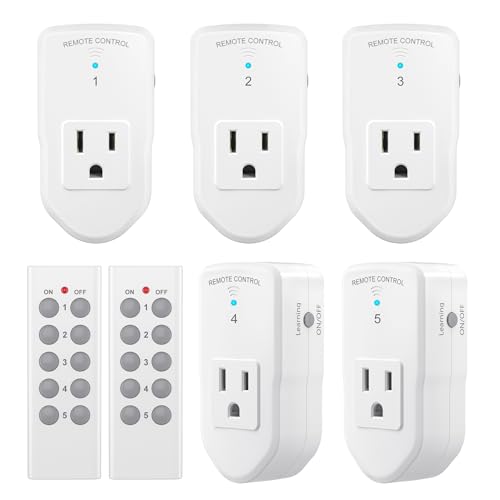
Wi-Fi-enabled outlets let you control connected devices remotely through smartphone apps or voice assistants. High-end smart outlets integrate with home automation systems and offer energy monitoring features.
Specialty Outlets
From 240-volt outlets for dryers and ranges to isolated ground receptacles for sensitive electronics, specialty outlets address specific needs. These typically require professional installation due to dedicated circuit requirements.
When assessing which outlets your home needs, consider both current usage patterns and future requirements. A room that seems adequately equipped today may struggle to support tomorrow's devices. If you're planning a kitchen and bathroom remodeling project, this is the ideal time to evaluate whether your outlet placement and types meet modern code requirements and lifestyle demands.
Switch Options: From Basic Toggles to Smart Controls
Light switches have evolved dramatically from the simple toggle design that dominated homes for decades. Understanding your options helps you choose switches that match your lifestyle and technical comfort level.
Single-Pole Switches
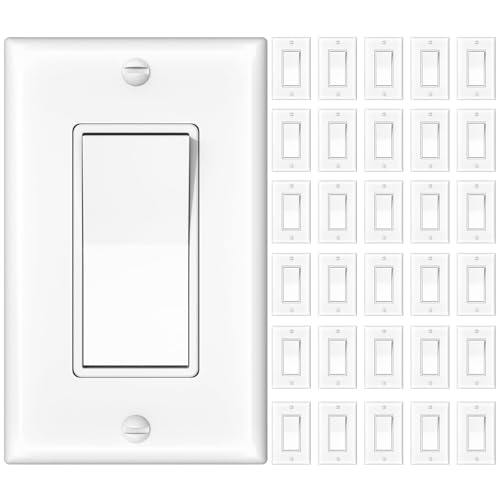
The most common switch type, controlling a light fixture from one location. Entry-level to mid-range single-pole switches are straightforward to replace and available in virtually every style and finish.
Three-Way Switches
These switches control a single fixture from two locations—essential for stairways, hallways, and rooms with multiple entry points. Three-way switches require careful wiring attention but are manageable for confident DIYers.
Dimmer Switches
Dimmers provide adjustable light levels, enhancing ambiance and reducing energy consumption. Mid-range and premium dimmers offer smooth, flicker-free operation and compatibility with LED bulbs. Some high-end models support scene programming.
Smart Switches
Wi-Fi, Bluetooth, and Z-Wave smart switches enable remote control, scheduling, and voice assistant integration. Premium smart switches often include motion sensors and ambient light detection for automated operation.
Motion Sensor Switches
These switches automatically control lighting based on occupancy, ideal for bathrooms, closets, and garages. Mid-tier models offer adjustable sensitivity and timeout settings.
Switch placement and selection deserve careful thought during any renovation. Poorly positioned switches create daily frustration, while well-planned switching improves both convenience and safety. If you're undertaking a larger professional home improvement project, coordinate your switch upgrades with other electrical work to minimize disruption and cost.
Critical Safety Considerations Before You Begin
Electrical work carries inherent risks, but with proper precautions, replacing outlets and switches is well within reach for careful homeowners. The key is understanding and respecting the hazards.
Always Turn Off Power at the Breaker
This cannot be overstated. Before touching any electrical device, locate the correct circuit breaker and switch it off. Use a non-contact voltage tester to confirm the power is truly off—never rely solely on the breaker label.
Test Before You Touch
A quality multimeter or voltage tester is your most important safety tool. Test every wire and terminal before beginning work. Even "dead" circuits can surprise you when multiple circuits share a box.
Know Your Limits
If you discover aluminum wiring, damaged insulation, or signs of overheating (discolored devices, melted insulation, burning smells), stop and call a licensed electrician. These conditions require professional expertise.
Match Amperage Ratings
Replacement outlets must match or exceed the amperage rating of the circuit. Most residential circuits are 15 or 20 amps. Installing a 15-amp outlet on a 20-amp circuit is acceptable; the reverse is not.
Respect Local Codes
Electrical codes vary by jurisdiction and evolve over time. Permits may be required for certain work. When in doubt, consult your local building department or a licensed electrician to ensure compliance.
For projects involving new circuits or significant electrical modifications, professional guidance is invaluable. If you're planning extensive renovations, consider consulting with qualified contractors who can assess your complete electrical system and recommend appropriate upgrades.
Step-by-Step: Replacing an Outlet or Switch Safely
Replacing a standard outlet or switch is a straightforward process that typically takes 15 to 30 minutes per device. Here's the essential process:
Step 1: Turn Off Power and Verify
Flip the circuit breaker to the off position. Plug a lamp or use a voltage tester at the outlet to confirm power is off. For switches, flip the switch and verify the light doesn't turn on.
Step 2: Remove the Cover Plate
Unscrew and remove the cover plate. Set it aside with the screws—you may need them for reinstallation or to match the new plate style.
Step 3: Test for Power (Again)
Use your voltage tester on each terminal and wire. This double-check protects against mislabeled breakers and multi-circuit boxes.
Step 4: Disconnect the Old Device
Unscrew the device from the box. Carefully pull it out, being mindful of connected wires. Take a photo of the wiring configuration before disconnecting—this reference prevents confusion later.
Step 5: Disconnect Wires
Loosen the terminal screws and remove the wires. For back-stabbed connections, insert a small screwdriver into the release slot to free the wire. Note which wire connects to which terminal.
Step 6: Prepare the New Device
Strip wires if needed (typically 3/4 inch for most terminals). Form the wires with needle-nose pliers so they wrap clockwise around terminal screws. For back-wire clamps, strip to the gauge line.
Step 7: Connect the New Device
Connect the black (hot) wire to the brass-colored screw, white (neutral) to the silver screw, and green or bare copper (ground) to the green screw. Tighten securely—loose connections cause overheating.
Step 8: Install and Test
Gently fold wires into the box, screw the device in place, and reinstall the cover plate. Restore power and test the device with a lamp or voltage tester before using it normally.
While these steps apply to both outlets and switches, switches involve a few nuances—particularly with three-way configurations. If you encounter wiring that doesn't match these descriptions, stop and seek professional guidance rather than guessing. For related projects like installing new fixtures or replacing plumbing fixtures, similar safety-first principles apply; our guide on installing faucets demonstrates how careful planning makes complex installations manageable.
Modern Upgrades That Add Convenience and Value
Beyond basic replacement, consider these upgrades that enhance functionality and can increase your home's appeal to future buyers.
USB Charging Outlets
Eliminate charging bricks and free up outlets for other devices. Mid-range and premium USB outlets provide adequate charging speeds for phones and tablets, with some models offering USB-C connections.
Smart Switch Integration
Control lighting through smartphone apps, voice assistants, or automated schedules. Smart switches range from entry-level Wi-Fi models to premium systems that integrate with whole-home automation platforms.
Dimmer Switches Throughout
Upgrade key living spaces with dimmer switches for ambiance control and energy savings. Look for models rated for LED bulbs to avoid flickering and compatibility issues.
Tamper-Resistant Outlets
Required by code in many jurisdictions, tamper-resistant outlets protect children from inserting objects into slots. These are now standard on most new outlets and represent minimal additional investment.
Weather-Resistant Outdoor Outlets
If you're extending your outdoor living space, weather-resistant outlets with in-use covers are essential for safety and convenience.
Whole-House Surge Protection
Protect sensitive electronics by installing surge protection at the panel. This premium upgrade provides comprehensive protection against power surges from lightning strikes and grid fluctuations.
These upgrades pair well with broader home improvement projects. If you're adding outdoor lighting or expanding your living space, coordinate electrical upgrades with the overall project timeline.
Common Outlet and Switch Problems (And Solutions)
Recognizing warning signs helps you address problems before they become hazards.
Outlets That Don't Grip Plugs
Over time, the internal contacts wear out. If plugs fall out easily or feel loose, replacement is the solution. This is one of the most common reasons homeowners upgrade outlets.
Warm or Discolored Devices
Warmth at an outlet or switch indicates resistance—a sign of loose connections or overloaded circuits. Discoloration or a burning smell requires immediate attention. Turn off power and investigate.
Flickering Lights
While sometimes caused by bulbs, persistent flickering often points to loose switch connections or incompatible dimmers. Upgrading to LED-compatible dimmers frequently resolves the issue.
Frequent Breaker Trips
If a circuit trips repeatedly, the cause may be an overloaded circuit or a faulty device. A professional electrician can diagnose the root cause and recommend solutions, including adding a dedicated circuit.
No GFCI Protection
Homes built before GFCI requirements lack this critical safety feature. Upgrading to GFCI outlets in wet locations is among the most important safety improvements you can make.
For electrical issues that extend beyond outlets and switches—like adding new circuits for a renovation—consult with licensed professionals. Just as our guide on plumbing repairs emphasizes knowing when to call a plumber, recognizing the limits of safe DIY electrical work protects both you and your home.
Essential Tools and Materials for Outlet and Switch Projects
Having the right tools makes the job safer, faster, and more satisfying. These items handle virtually every outlet and switch replacement task.
Voltage Tester or Multimeter
Non-negotiable safety equipment. A basic non-contact voltage tester provides quick go/no-go verification, while a multimeter offers detailed readings for diagnosing circuits.
Screwdrivers (Phillips and Flathead)
Quality screwdrivers with insulated handles are essential. A multi-bit screwdriver handles most terminal screws, but dedicated insulated drivers provide superior safety.
Wire Strippers
Proper wire strippers cut insulation cleanly without nicking the wire. Look for models that handle 12 and 14 gauge wire, the most common residential sizes.
Needle-Nose Pliers
Essential for forming wires around terminal screws and manipulating wires in tight spaces. Look for insulated handles for safety.
Electrical Tape
For wrapping wire nut connections and providing additional insulation in tight boxes. Choose a quality electrical tape rated for your application.
Wire Nuts and Connectors
Have an assortment on hand for making secure connections when multiple wires share a circuit or when extending wires.
Building a comprehensive tool collection is an investment that pays dividends across every home project. Our guide to tools and equipment provides additional recommendations for building a well-stocked toolbox.
When to Call a Licensed Electrician
While basic outlet and switch replacement is within reach for many homeowners, certain situations demand professional expertise.
Aluminum Wiring
Homes built in the 1960s and 1970s may have aluminum branch wiring. Aluminum connections require special techniques and materials; improper connections create serious fire hazards.
No Ground Wire
If your electrical box lacks a ground wire, safe grounding options are limited. An electrician can advise whether GFCI protection can provide acceptable safety or whether rewiring is necessary.
Signs of Overheating
Discolored devices, melted insulation, or a burning smell indicates a serious problem. Turn off the circuit immediately and call an electrician to diagnose and repair the underlying issue.
Adding New Circuits
New outlets or switches that require new circuits from the panel fall beyond typical DIY scope. Licensed electricians ensure proper sizing, protection, and code compliance.
Complex Switch Configurations
Four-way switches or multi-location dimmers can be confusing. If you're unsure about wiring, professional installation prevents potentially dangerous mistakes.
Commercial or Multi-Family Properties
Commercial electrical work and multi-family properties have different code requirements. Licensed professionals ensure compliance and safety.
For comprehensive electrical projects that coincide with larger renovations, coordinating with home improvement contractors ensures all trades work together efficiently. Similarly, when addressing HVAC air duct sealing, appropriate professional consultation protects your investment.
Building Confidence Through Electrical Knowledge
Understanding outlets and switches transforms a task that might seem intimidating into a manageable and rewarding project. The knowledge you've gained here—from outlet types and switch options to safety protocols and step-by-step replacement procedures—provides a solid foundation for approaching electrical upgrades with confidence.
Start with simple replacements in visible locations, build your skills gradually, and always prioritize safety. The satisfaction of upgrading your own home's electrical system is tangible, and the improvements enhance both daily convenience and long-term property value.
Whether you're addressing a single worn-out outlet or planning comprehensive electrical updates as part of a remodeling project, the principles remain the same: understand your options, respect the hazards, and know when to call a professional. Your home's electrical system is fundamental to safety and comfort—investing time in learning about it pays dividends for years to come.