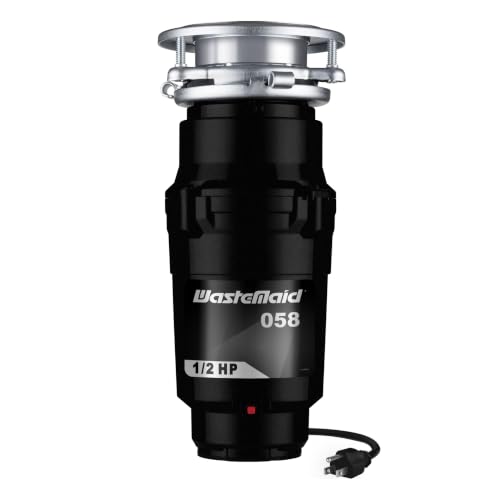
Garbage Disposals: The Complete Guide
From types and installation to troubleshooting and maintenance — everything you need to choose and use the perfect kitchen disposal.
What Is a Garbage Disposal and Why Do You Need One?
A garbage disposal, also known as a food waste disposer, is a modern kitchen appliance installed under the sink that shreds food waste into small pieces small enough to pass through plumbing. It's an eco-friendly alternative to throwing food scraps in the trash, reducing landfill waste and unpleasant odors in your kitchen.
Whether you're remodeling your kitchen or replacing an old, noisy unit, choosing the right disposal can make a significant difference in convenience and functionality. In this comprehensive guide, we cover everything from horsepower and grinding technology to plumbing tools and electrical safety, so you can make an informed decision.
Types of Garbage Disposals
There are two main types of garbage disposals: batch feed and continuous feed. Each has its own benefits and ideal use cases.
Continuous Feed Disposals
The most common type, continuous feed disposals run as long as the switch is turned on. This allows you to add food waste while the unit is operating. They are convenient and faster for large families or frequent use. Most models include a splash guard for safety, but you must remain attentive to avoid accidents.
Batch Feed Disposals
Batch feed models operate only when a special stopper is inserted, activating the motor. This makes them safer because the unit cannot run without the stopper in place. They are ideal for households with children or where safety is a top concern. However, they can be slower because you need to load food waste in batches.
Pro Tip: If safety is your primary concern, a batch feed disposal is the smarter choice. For speed and convenience, continuous feed models are unbeatable.
Key Features to Consider
When shopping for a new garbage disposal, pay attention to these essential features:
- Horsepower (HP): Motors typically range from ⅓ HP to 1 HP. Higher horsepower means more grinding power, better for fibrous foods or heavy use. ¾ HP is a good sweet spot for most households.
- Grinding Technology: Look for multi-stage grinding or stainless steel impellers for better durability and finer particles, reducing the risk of clogs.
- Noise Reduction: Insulated shells and anti-vibration mounts make newer models much quieter. If noise bothers you, prioritize sound-dampening features.
- Jam Sensors & Auto-Reverse: Advanced models can detect jams and automatically reverse the motor to clear them, which can save you from manual intervention.
- Mounting System: Quick-mount or EZ-mount systems make installation easier, especially if you're doing it yourself.
For more details on installation, you may also want to check our guides on installing sinks and plumbing tool kits.
Installation & Safety Tips
Installing a garbage disposal can be a DIY project if you have basic plumbing and electrical skills. However, always turn off the power at the circuit breaker and use a voltage tester before working near electrical connections. You'll also need pipe wrenches, a screwdriver set, and possibly a wire stripper if you're replacing an old unit.
- Turn Off Power: Safety first! Disconnect the power supply to the disposal at the breaker panel.
- Disconnect Old Unit: Remove the old disposal by disconnecting the drain line and mounting ring.
- Install Mounting Assembly: Follow the manufacturer's instructions to install the new mounting ring under the sink.
- Connect the Disposal: Lift and attach the disposal to the mounting ring, ensuring it's secure.
- Reconnect Plumbing: Attach the drain pipe and dishwasher hose (if applicable). Use plumber's tape on threaded connections to prevent leaks.
- Restore Power and Test: Turn the breaker back on and test the unit with water running.
⚠️ Important: Never put your hand inside the disposal. Use a wooden spoon or tongs to remove objects. Always run cold water while grinding, and avoid grinding fibrous materials like corn husks or large bones to protect the blades and motor.
Troubleshooting Common Disposal Problems
Even the best disposals can jam or fail. Here are solutions to the most common problems:
- Disposal Won't Turn On: Check the circuit breaker, reset button on the unit, and ensure the switch is working. You may need a multimeter to test the outlet.
- Jam or Humming Noise: Turn off the power, then use a hex wrench (usually supplied with the unit) to manually rotate the impellers and dislodge the jam. Once cleared, press the reset button.
- Slow Draining: This often indicates a clog in the drain line or the disposal itself. Use a plunger or a plumbing snake to clear it.
- Leak Under Sink: Check the mounting ring, drain connection, or dishwasher hose. Tighten connections or replace worn-out seals.
- Bad Odors: Grind ice cubes and lemon peels to clean the disposal and freshen the drain. This is also an excellent cleaning hack for any kitchen sink.
How Much Does a Garbage Disposal Cost?
Garbage disposal prices vary widely based on horsepower, features, and brand. Entry-level models (⅓ HP) start around $70–$100, while mid-range units with better grinding technology and noise reduction (¾ HP) cost between $150–$250. Premium models with 1 HP motors, stainless steel components, and advanced jam sensors can range from $300 to $500+. For most homes, a ¾ HP model with stainless steel impellers offers the best balance of performance and value.
Keep in mind that professional installation adds $150–$250 to the total cost. If you're comfortable with basic electrical work and have a screwdriver set and a pipe wrench, you can install it yourself and save money.
💰 Budget Tip: During holiday sales (Black Friday, Prime Day), you can often find top-tier models at mid-range prices. It's a great time to upgrade your kitchen.
Maintenance Tips to Extend the Life of Your Disposal
Proper maintenance ensures your disposal lasts for years. Follow these simple habits:
- Always run cold water: Cold water solidifies grease, helping the disposal push it through the pipes rather than clogging them.
- Cut food into smaller pieces: This reduces strain on the motor.
- Use it regularly: Frequent use prevents rust and corrosion.
- Sharpen the blades: Grind ice cubes once a month to keep the impellers sharp and remove debris.
- Avoid fibrous or hard items: Corn husks, onion skins, and large bones can damage the unit or cause jams.
For more maintenance and repair tools, explore our guides on tool storage and workbench plans to keep your workspace organized.
Ready to Choose Your Garbage Disposal?
Upgrading your garbage disposal is an investment in convenience, hygiene, and environmental responsibility. Whether you choose a continuous feed model for speed or a batch feed for safety, the options today are quieter, more powerful, and more reliable than ever.
Browse our curated selection of top-rated garbage disposals below. Each product has been selected for performance, durability, and value. With the right disposal, you'll enjoy a cleaner, more functional kitchen for years to come.