Ultimate Laminate Flooring Guide: Costs, Pros, Cons & Installation
Discover everything you need to know about laminate flooring—durability, style, and budget-friendly solutions for every room. Make an informed decision with our expert breakdown.
Jump to Installation StepsLaminate flooring has become one of the most popular choices for homeowners seeking the look of hardwood or tile at a fraction of the cost. With advanced printing technology, today's laminate mimics natural materials with remarkable realism. Whether you're renovating a single room or your entire home, understanding the home improvement options available is crucial.
What is Laminate Flooring?
Laminate is a multi-layer synthetic flooring product fused together through a lamination process. It typically consists of a wear layer, a high-resolution decorative layer (printed image), a moisture-resistant core board, and a stabilizing backing. This construction makes it highly durable, scratch-resistant, and easy to maintain, ideal for high-traffic areas.
Laminate Flooring: Pros & Cons
✅ Advantages
- ✔ Cost-Effective: Typically $2–$5 per square foot (DIY) or $5–$10 installed.
- ✔ Durable: Resists scratches, dents, and stains.
- ✔ Easy Installation: Click-lock systems make it a great DIY project.
- ✔ Versatile: Available in wood, stone, and tile designs.
- ✔ Low Maintenance: Sweep and damp-mop regularly.
❌ Disadvantages
- ✖ Not Waterproof: Prolonged moisture can cause swelling.
- ✖ Can't Be Refinished: Unlike hardwood floors, it cannot be sanded.
- ✖ May Sound Hollow: Underlayment is essential for sound dampening.
- ✖ Subfloor Needs to Be Flat: Requires a level surface for proper locking.
Laminate Flooring Cost Breakdown
Average Total Cost: $1,500 – $4,500 for a typical 200 sq. ft. room (materials + professional installation). For DIY, you'll save on labor—budget $400–$1,000 for materials.
- Materials (per sq. ft.) $2 – $5
- Underlayment (per sq. ft.) $0.50 – $1
- Professional Installation (per sq. ft.) $3 – $6
- Trim & Transitions $50 – $200
- Tools (if not owned) $50 – $150
Compare this to tile installation or vinyl planks—laminate offers excellent value for budget-conscious renovators.
How to Choose the Right Laminate Flooring
When selecting laminate, consider these factors:
- AC Rating: AC1 (light residential) to AC5 (heavy commercial). For most homes, AC3 or AC4 is recommended.
- Thickness: 8mm–12mm. Thicker planks feel more solid and provide better sound insulation.
- Wear Layer: Look for aluminum oxide or melamine for scratch resistance.
- Water Resistance: Choose water-resistant or waterproof laminate for kitchens, bathrooms, or basements.
- Style & Color: Match your interior design. Light wood tones open up spaces, while dark colors add elegance.
Before you buy, read our material estimators guide to calculate exactly how much flooring you need.
Step-by-Step Laminate Installation Guide
Installing laminate flooring is a rewarding DIY project. Follow these steps for a professional-looking floor:
Remove existing flooring, clean the subfloor, and ensure it's level (within ⅛ inch over 6 feet). Repair any damage and sweep thoroughly. A flat surface is critical for the click-lock system to work properly.
Roll out foam underlayment, taping seams. This provides cushioning, sound reduction, and a moisture barrier. Some laminate comes with pre-attached underlayment—check your product.
Measure the room and plan the plank layout to avoid narrow strips at the walls. Use a chalk line to mark the starting line.
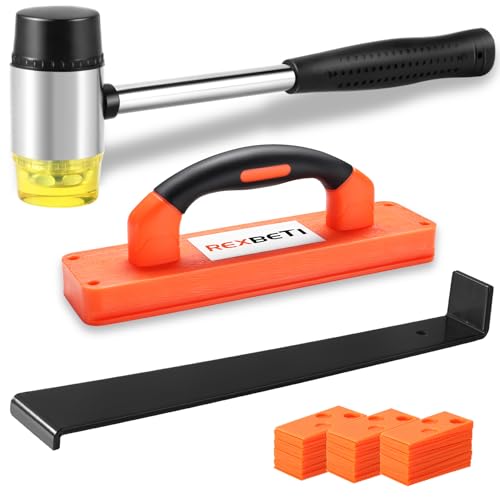
Start along the longest wall, leaving a ¼-inch expansion gap. Use spacers to maintain the gap. Cut planks as needed to fit.
Angle the tongue of the next plank into the groove of the previous one and press down to lock. Use a tapping block and mallet if needed.
Use a jigsaw or handsaw to cut planks around door frames, vents, and pipes. Score and snap for straight cuts.
Cut the last row to width, leaving the required expansion gap. Use a pull bar to lock the last row into place.
Install baseboards, quarter-round, and transition strips to cover expansion gaps. This gives your floor a finished look.
Laminate Flooring Maintenance & Care
Keep your laminate floor looking new with these simple tips:
- Sweep or vacuum regularly to remove dirt and grit that can scratch the surface.
- Damp mop with a laminate-specific cleaner—never use excessive water.
- Wipe up spills immediately to prevent moisture from seeping into seams.
- Use felt pads under furniture legs to avoid scratches.
- Avoid steam mops and harsh chemicals.
For deeper cleaning, consult our cleaning hacks for flooring care.
Frequently Asked Questions About Laminate Flooring
Can laminate flooring be installed in bathrooms?
Yes, but choose water-resistant or waterproof laminate and seal the edges properly. Consider tile installation for high-moisture areas.
How long does laminate flooring last?
High-quality laminate can last 15–25 years with proper care.
Is laminate better than vinyl?
Laminate offers a more natural wood look and is more scratch-resistant, while vinyl is 100% waterproof. Both are excellent choices depending on your needs.
Can I install laminate over existing tile?
Yes, if the tile is level and in good condition. Use a leveling compound to fill grout lines.
Do I need an expansion gap?
Yes, always leave a ¼-inch gap around the perimeter to allow for expansion and contraction.
Ready to Transform Your Home with Laminate Flooring?
Explore our recommended products and start your flooring project today. Click below to see top-rated laminate flooring options on Amazon.
Shop Laminate Flooring