Paint Sprayers: The Ultimate Guide to Flawless Finishes
Discover the best paint sprayers for furniture, cabinets, walls, and DIY projects. Compare HVLP, airless, and cordless sprayers, and learn how to choose the perfect tool for your next painting project.
Shop Top Paint SprayersWhy Choose a Paint Sprayer? Paint sprayers deliver a smooth, professional-looking finish in half the time of traditional brushes and rollers. Whether you're refinishing furniture, painting cabinets, or tackling a whole room, the right sprayer can transform your DIY experience.
What Is a Paint Sprayer and Why Use One?
A paint sprayer is a power tool that uses air pressure, high pressure, or a turbine to atomize paint into fine droplets, which are then sprayed evenly onto a surface. Unlike brushes and rollers that leave brush marks and roller stipple, sprayers produce a smooth, factory-like finish that's especially desirable for cabinets, furniture, trim, and doors.
Compared to traditional methods, sprayers can reduce painting time by up to 75% and use less paint, as they apply a thinner, more even coat. They're ideal for large surfaces, intricate details, and hard-to-reach areas. However, they require more setup, cleaning, and surface preparation than rollers or brushes.
Types of Paint Sprayers Explained
Choosing the right sprayer depends on your project type, budget, and skill level. Here's a breakdown of the three most common types:
HVLP Sprayers
Best for: Furniture, cabinets, trim, and detailed work.
- High Volume, Low Pressure – less overspray
- Produces a very fine finish
- Ideal for thin materials like stains, lacquers, and enamels
- Less material waste than airless
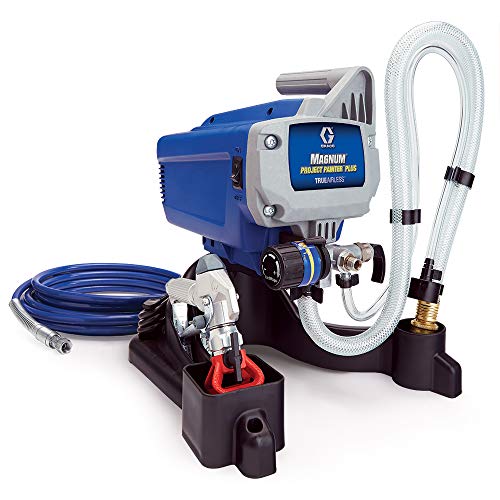
Airless Sprayers
Best for: Walls, ceilings, fences, decks, and large exterior projects.
- High-pressure – no air compressor needed
- Sprays thick paints and primers without thinning
- Covers large areas quickly
- More overspray, requires masking
Cordless Sprayers
Best for: Touch-ups, small projects, and quick jobs.
- Portable and battery-powered
- Great for small furniture and craft projects
- Easy to clean and store
- Limited capacity and power for large jobs
Paint Sprayer Comparison Chart
| Feature | HVLP | Airless | Cordless |
|---|---|---|---|
| Best For | Furniture, cabinets, trim | Walls, ceilings, exteriors | Touch-ups, small projects |
| Finish Quality | ★★★★★ | ★★★★ | ★★★ |
| Speed | ★★★ | ★★★★★ | ★★ |
| Overspray | Low | High | Medium |
| Material Compatibility | Thin to medium | Thick to thin | Thin to medium |
| Price Range | $80–$400 | $250–$800+ | $100–$300 |
How to Choose the Right Paint Sprayer
Consider these key factors before making your purchase:
Project Type & Size
For furniture and cabinets: An HVLP sprayer delivers the finest finish with minimal overspray. Learn about wood finishing techniques →
For walls and ceilings: An airless sprayer covers large areas quickly and handles thick paints without thinning. Explore more home improvement guides →
For small touch-ups: A cordless sprayer is convenient for quick projects and hard-to-reach spots.
Paint Type
HVLP: Works best with thin paints like latex enamels, stains, lacquers, and urethanes.
Airless: Can spray thick paints, primers, and even elastomeric coatings without thinning.
Cordless: Best for thin to medium viscosity paints; check manufacturer recommendations.
Budget & Frequency of Use
For occasional DIYers: A cordless or mid-range HVLP sprayer offers a great balance of cost and performance.
For serious DIYers and pros: Investing in a high-quality airless or turbine HVLP system pays off with consistent results and durability.
Remember to factor in the cost of accessories like extra spray tips, extension poles, and cleaning kits. Browse all tools & equipment →
Ease of Cleaning
Cleaning a paint sprayer can take longer than the actual painting. HVLP and cordless models are generally easier to clean than airless sprayers, which require more thorough flushing and maintenance. Look for models with detachable, easy-to-clean components.
Essential Paint Sprayer Tips for a Flawless Finish
Follow these professional tips to achieve the best results:
1. Prepare Your Surface
Clean, sand, and prime the surface thoroughly. Fill any cracks or holes with wood filler or spackle and sand smooth. Dust and debris will ruin your finish. Learn how to repair drywall →
2. Mask and Protect
Use plastic sheeting, drop cloths, and painter's tape to cover floors, furniture, windows, and everything you don't want painted. Best drop cloths for painting →
3. Thin Paint Properly (If Needed)
Follow the manufacturer's instructions. Most HVLP sprayers require thinning to the consistency of 2% milk. Airless sprayers can handle thicker paints. Use a viscosity cup to test.
4. Maintain the Right Distance
Keep the sprayer nozzle 8–12 inches from the surface. Too close and you'll get runs; too far and you'll get orange peel texture. Move in a steady, overlapping pattern.
5. Practice on Scrap Material
Before painting your project, practice on cardboard or scrap wood to dial in your technique and spray pattern. Adjust the pressure and fluid control for the best results.
6. Clean Immediately After Use
Paint dries quickly and can ruin your sprayer. Flush with the appropriate solvent (water for latex, mineral spirits for oil-based) immediately after finishing. Proper tool storage and maintenance →
Important Safety Guidelines
Protective Gear
- Respirator: A proper respirator with organic vapor cartridges is essential when spraying paints and solvents. Choose the right respirator →
- Safety Glasses: Protect your eyes from mist and overspray. Shop safety glasses →
- Work Gloves: Use chemical-resistant gloves to protect your hands from paint and solvents. Best work gloves for painting →
- Ventilation: Ensure proper airflow. Open windows and use fans to exhaust fumes. Work outdoors whenever possible.
Fire Safety
Most paints and solvents are flammable. Keep sprayers and paint containers away from heat sources, sparks, and open flames. Never smoke while spraying. Follow all manufacturer safety warnings.
Frequently Asked Questions About Paint Sprayers
Can I spray latex paint with an HVLP sprayer?
Yes, but you'll need to thin it with water (usually 10–15%) to achieve the right consistency. Some newer HVLP systems are designed for unthinned latex. Check your manufacturer's guidelines.
What's the difference between HVLP and airless?
HVLP uses low pressure and high air volume to atomize paint, producing a fine finish with less overspray. Airless uses high pressure to push paint through a small tip, covering large areas quickly but creating more overspray.
How much paint does a sprayer use?
A sprayer typically uses 20–40% less paint than a roller or brush because it applies a thinner, more even coat. It also reduces waste from paint left in trays and rollers.
Do I need a compressor for an HVLP sprayer?
Some HVLP sprayers are turbine-powered (self-contained), while others require an air compressor. Turbine HVLP sprayers are more portable and popular for home use, while compressor-based systems are more common in professional shops.
How do I clean my paint sprayer?
Disassemble the sprayer, flush the system with the appropriate solvent, clean the tip and filter, and reassemble. Consult your owner's manual for specific instructions. Detailed tool cleaning guide →
Which paint sprayer is best for beginners?
A cordless sprayer or a small HVLP turbine system is generally easiest for beginners. They offer good control, less overspray, and simpler cleaning. Start with smaller projects before tackling large rooms.
Get the Perfect Finish with the Right Paint Sprayer
Paint sprayers are powerful tools that can elevate your DIY projects from good to professional. Whether you're refinishing a family heirloom, updating your kitchen cabinets, or painting an entire room, choosing the right sprayer and using it correctly will save you time and deliver stunning, durable results.
Remember to always prioritize safety with proper respiratory protection, eye protection, and gloves. Practice your technique on scrap materials and don't skip the prep work – it's the foundation of a flawless finish.
Now that you understand the different types, features, and techniques, you're ready to choose the perfect paint sprayer for your next project. Browse our recommended products below and start your painting journey with confidence.
Ready to choose your paint sprayer? Explore our curated selection of top-rated sprayers for every budget and project type below. Each product is selected by our team of home improvement experts.