The Complete Hammer Guide: Types, Uses & Buying Advice
From framing hammers to specialty mallets, discover everything you need to know about choosing and using the right hammer for every DIY project and professional job.
The hammer is arguably the most essential tool in any toolbox. Whether you're hanging a picture frame, building a workbench, or tackling a major home improvement project, having the right hammer for the job makes all the difference. This comprehensive guide covers everything from the classic claw hammer to specialized options like sledgehammers, mallets, and more.
With so many types of hammers available, choosing the right one can feel overwhelming. We've broken down each type by its design, intended use, weight, and handle material so you can make an informed decision. Whether you're a DIY beginner or a seasoned professional, this guide will help you select the perfect hammer for your needs.
Types of Hammers: A Complete Breakdown
Each hammer type is designed for specific tasks. Below, we explore the most common types and their primary applications.
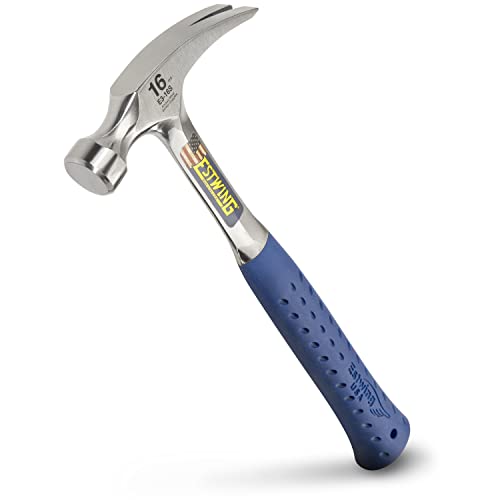
🔨 Claw Hammer
The most recognizable and versatile hammer for general use. Features a striking face on one side and a curved claw for pulling nails on the other.
Best For:
- Driving and removing nails
- Framing and general construction
- DIY projects and home repairs
- Demolition work
Weight: 16 oz to 22 oz | Handle: Wood, fiberglass, or steel
Average Price: $20–$60
🔨 Sledgehammer
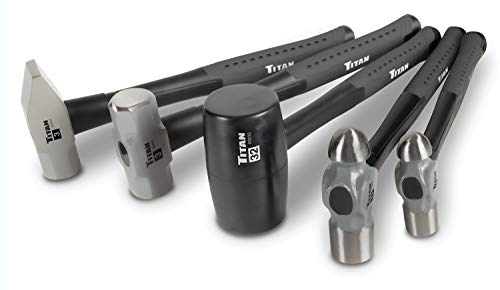
A heavy-duty hammer with a large, flat striking face designed for delivering powerful blows. Usually has a long handle for maximum swing force.
Best For:
- Demolition and breaking concrete
- Driving stakes and posts
- Heavy-duty framing
- Landscaping and outdoor work
Weight: 8 lb to 20 lb | Handle: Wood or fiberglass
Average Price: $30–$100
🔨 Mallet
A hammer with a large, often cylindrical head made of rubber, wood, or plastic. Designed to strike without damaging the workpiece surface.
Best For:
- Woodworking joinery and assembly
- Installing flooring and tiles
- Chisel work and carving
- Light assembly tasks
Weight: 8 oz to 2 lb | Handle: Wood, steel, or rubber
Average Price: $15–$50
🔨 Ball Peen Hammer
Distinguished by a rounded peen opposite the flat striking face. Primarily used in metalworking and automotive applications.
Best For:
- Metalworking and shaping
- Riveting and striking chisels
- Automotive repairs
- Machinist and mechanic work
Weight: 8 oz to 4 lb | Handle: Wood or steel
Average Price: $15–$70
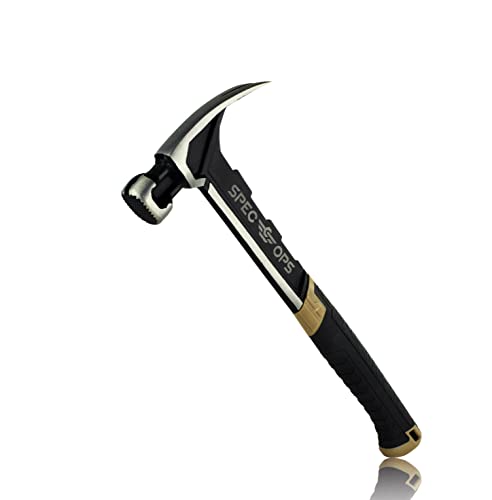
🔨 Framing Hammer
A heavier, longer-handled version of the claw hammer designed for framing and rough construction. Often includes a milled face for better grip on nails.
Best For:
- Framing and structural work
- Driving large nails
- Construction and rough carpentry
- Demolition and wrecking
Weight: 20 oz to 28 oz | Handle: Wood, fiberglass, or titanium
Average Price: $25–$80
🔨 Drywall Hammer
Specialized hammer with a hatchet-like shape. Designed specifically for hanging drywall and plaster work.
Best For:
- Hanging and finishing drywall
- Plaster and lath work
- Cutting drywall with the side edge
- Setting drywall nails
Weight: 12 oz to 16 oz | Handle: Wood or steel
Average Price: $20–$45
Hammer Comparison: At a Glance
Quickly compare the most popular hammer types based on weight, handle material, and common applications.
| Type | Weight Range | Common Handle | Primary Use |
|---|---|---|---|
| Claw Hammer | 16–22 oz | Wood / Fiberglass | General DIY & Construction |
| Sledgehammer | 8–20 lb | Wood / Fiberglass | Demolition & Staking |
| Mallet | 8 oz – 2 lb | Wood / Rubber | Woodworking & Assembly |
| Ball Peen | 8 oz – 4 lb | Wood / Steel | Metalworking |
| Framing | 20–28 oz | Wood / Titanium | Framing & Construction |
| Drywall | 12–16 oz | Wood / Steel | Drywall & Plaster |
How to Choose the Right Hammer
Hammer Safety Tips
Stay Safe While Working
- Always wear safety glasses to protect your eyes from flying debris and nail fragments.
- Use work gloves for a secure grip and to reduce hand fatigue during extended use.
- Keep the striking face clean and free of debris to prevent glancing blows and ricochets.
- Check the handle for cracks or splinters regularly, especially if you use a wood-handled hammer.
- Ensure the hammer head is securely attached to the handle before each use.
- Use the right hammer for the job—never use a claw hammer for sledgehammer tasks.
- Maintain a firm grip and avoid over-swinging to maintain control and accuracy.
Frequently Asked Questions About Hammers
What is the most versatile type of hammer for home use?
The 16 oz claw hammer with a fiberglass handle is widely considered the most versatile option for general DIY tasks, home repairs, and small projects.
Can I use a hammer for tasks beyond driving nails?
Absolutely. Different hammer types are designed for demolition, metalworking, woodworking assembly, landscaping, and more. Choose a specialized hammer for specialized tasks.
What is the difference between a claw hammer and a framing hammer?
Framing hammers are heavier (20+ oz), have longer handles, and often feature a milled face for better nail grip. They are designed for rough construction, while claw hammers are lighter and better for general use.
How do I maintain my hammer?
Regularly clean the striking face to remove rust and debris. Inspect the handle for wear. Replace a hammer if the head becomes loose or the handle shows significant damage.
Is a heavier hammer always better?
No. A heavier hammer delivers more force but causes faster fatigue and reduces accuracy. For most DIY tasks, a 16–20 oz hammer offers the best balance of power and control.
Ready to Find the Perfect Hammer?
Browse our curated selection of top-rated hammers for every task. Compare prices, read reviews, and choose the best hammer for your projects.
👇 Check out our recommended hammers below