Ear Protection Guide: Types, NRR Ratings & Best Picks
Protect your hearing with the right ear protection. Learn about earplugs, earmuffs, NRR ratings, and how to choose the best gear for your workshop, shooting range, or job site.
Your hearing is irreplaceable. Whether you're a woodworker, contractor, musician, or shooting enthusiast, protecting your ears is one of the smartest investments you can make. This guide explains everything you need to know about ear protection — from types and noise reduction ratings (NRR) to comfort, durability, and the best products on the market today.
Why Ear Protection Matters
Exposure to loud noise above 85 decibels (dB) can cause permanent hearing loss. Many common activities — such as using a circular saw (110 dB), angle grinder (115 dB), or even a cordless drill (90+ dB) — exceed safe levels. Without proper ear protection, even short-term exposure can damage the delicate hair cells in your inner ear.
The National Institute for Occupational Safety and Health (NIOSH) recommends wearing hearing protection whenever noise levels reach 85 dB or higher. For woodworking and construction, that's almost always. The good news is that modern hearing protection is comfortable, affordable, and highly effective — if you know what to look for.
Types of Ear Protection
Earplugs
- Foam Earplugs – Disposable, affordable, and offer high NRR (30–35 dB). Ideal for one-time use.
- Reusable Silicone Earplugs – Washable, durable, and comfortable for extended wear.
- Flanged Earplugs – Multiple flanges create a secure seal; popular for musicians and shooting.
- Electronic Earplugs – Amplify ambient sound while blocking loud noises; great for shooting ranges.
Earmuffs
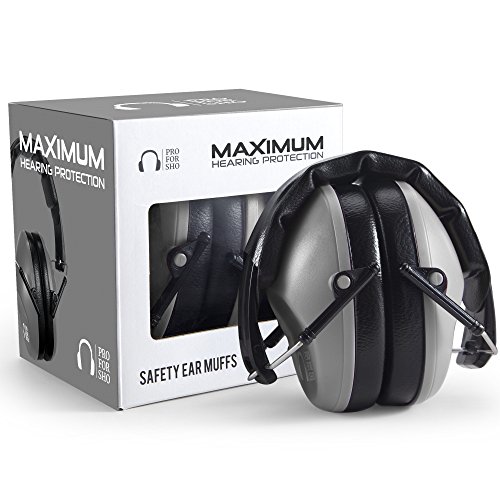
- Passive Earmuffs – Simple, effective, and offer NRR 20–30 dB. Great for workshop use.
- Electronic Earmuffs – Feature built-in microphones that amplify speech while blocking harmful noise. Perfect for construction sites.
- Bluetooth Earmuffs – Allow you to listen to music or take calls while protecting your hearing.
- Hard Hat Attachable Earmuffs – Designed to clip onto helmets for job site safety.
Understanding NRR Ratings
The Noise Reduction Rating (NRR) is a standard measure of how much noise a hearing protection device can reduce. It's expressed in decibels (dB). A higher NRR means more protection. Here's a quick breakdown:
- NRR 20–25 dB: Good for moderate noise environments like home workshops or lawn mowing.
- NRR 26–30 dB: Suitable for loud power tools, home improvement projects, and shooting ranges.
- NRR 31–35 dB: Maximum protection for extremely loud environments like heavy construction or industrial settings.
Important: The actual protection you receive is often lower than the NRR rating due to improper fit or wear. For example, if an earmuff has an NRR of 30 dB, the real-world reduction is approximately (NRR - 7) ÷ 2 = (30 - 7) ÷ 2 = 11.5 dB. Always ensure a proper seal for maximum effectiveness.
How to Choose the Right Ear Protection
Choosing the best ear protection depends on your specific needs. Consider the following factors:
Key Selection Criteria
- Noise Level: Match the NRR to your environment. For a busy workshop with miter saws and planers, choose NRR 30+.
- Comfort: You'll wear these for hours. Look for soft padding, adjustable headbands, or hypoallergenic materials.
- Fit: A proper seal is non-negotiable. Foam earplugs must be rolled and inserted correctly; earmuffs must fully cover your ears.
- Durability: For job sites or frequent use, opt for rugged designs with reinforced headbands and replaceable cushions.
- Additional Features: Consider electronic models with sound amplification, Bluetooth connectivity, or compatibility with safety glasses and hard hats.
Using Ear Protection with Other Safety Gear
In many environments, you'll need to combine ear protection with other personal protective equipment (PPE). For example, a woodworker might need safety glasses, work gloves, and hearing protection simultaneously. Here are some tips for layering:
- Earmuffs + Safety Glasses: Choose earmuffs with soft, wide cushions that don't press too hard on the glasses' temples.
- Earplugs + Respirator: If you're using a respirator, make sure the earplugs are inserted securely and don't interfere with the mask's seal.
- Hard Hat + Earmuffs: Many manufacturers offer earmuffs specifically designed to attach to hard hats, ensuring both fit and compatibility.
Always test your gear together to ensure comfort and effectiveness before starting any project.
Maintaining Your Ear Protection
To get the most out of your hearing protection, proper maintenance is essential. Here's how to care for your gear:
- Clean Regularly: Wipe down earmuff cushions with a damp cloth and mild soap. For earplugs, follow the manufacturer's cleaning instructions.
- Replace When Worn: Foam earplugs should be replaced after a few uses. Earmuff cushions and foam inserts should be changed every 6–12 months or when they lose their shape.
- Store Properly: Keep your ear protection in a clean, dry case away from extreme temperatures and direct sunlight.
- Check the Seal: Before each use, ensure the ear cups or plugs form a tight seal. A compromised seal significantly reduces effectiveness.
Common Mistakes to Avoid
Even with the best equipment, many people make mistakes that reduce protection. Avoid these common pitfalls:
- Incorrect Insertion: Foam earplugs must be rolled thin and inserted deep into the ear canal. Just placing them at the opening doesn't work.
- Loose Fit: Earmuffs that don't fully cover the ears or are too loose let noise leak in. Adjust the headband for a snug fit.
- Ignoring the NRR: Choosing gear with an NRR that's too low for the noise level can lead to permanent damage.
- Not Wearing PPE Consistently: Even a few minutes of unprotected exposure can cause harm. Wear your protection every time you're in a loud environment.
Final Recommendations
The best ear protection is the one you'll actually wear. For most DIYers and home improvers, a good pair of passive earmuffs with an NRR of 25–30 dB offers a great balance of comfort, protection, and affordability. If you frequently use loud tools like circular saws or angle grinders, consider investing in electronic earmuffs that let you hear conversations and warnings while blocking harmful noise.
For contractors and professionals, look for rugged, high-NRR earmuffs that are compatible with hard hats and safety glasses. And remember: your hearing is worth protecting. A small upfront investment today can save you from a lifetime of hearing loss tomorrow.
Browse the recommended products below to find the perfect ear protection for your needs. Each product has been carefully selected based on performance, comfort, and value.