Accent Wall Ideas: Transform Your Space with Bold Style
Discover how a single accent wall can redefine a room's character. From dramatic paint colors to textured wood paneling and designer wallpaper, learn the techniques, materials, and design principles behind a flawless accent wall.
EXPLORE ACCENT WALL TYPESWhy an Accent Wall Works: An accent wall is one of the most cost-effective ways to add depth, personality, and visual interest to any room. By treating one wall differently from the rest, you create a natural focal point that guides the eye, anchors furniture placement, and adds architectural character without the expense of a full renovation. Whether you prefer a bold painted statement or a rich textured finish, the right accent wall can transform an ordinary space into a designer-inspired room.
What Is an Accent Wall and Why Should You Add One?
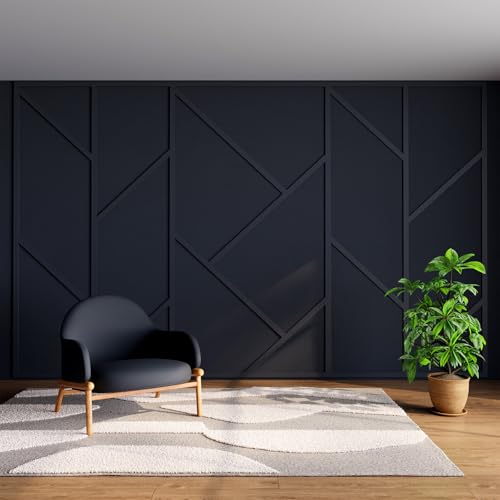
An accent wall is a single wall in a room that is treated differently from the surrounding walls through color, texture, material, or pattern. This design technique creates a focal point, adds visual depth, and introduces personality without overwhelming the space. Accent walls are especially effective in open-plan living areas where they help define zones and guide furniture arrangement.
Beyond aesthetics, accent walls offer practical benefits. They can make a small room feel more expansive by drawing the eye toward a specific area, or they can add warmth and coziness to a large, open space. In bedrooms, an accent wall behind the headboard creates a sense of intimacy and anchors the bed as the room's centerpiece. In living rooms, a textured or boldly colored accent wall behind the sofa or fireplace becomes a natural gathering point. For homeowners planning broader renovations, an accent wall can serve as a starting point that informs the color palette and design direction of the entire room.
Types of Accent Walls: Materials and Techniques
The material and technique you choose for your accent wall will define its character and durability. Here are the most popular options, each with distinct advantages and ideal applications.
Painted Accent Wall
The most budget-friendly and versatile option. A single coat of bold paint can dramatically change a room's mood. Ideal for renters and DIY beginners, paint allows easy experimentation with color and can be updated seasonally.
Wallpaper Accent Wall
Wallpaper offers pattern, texture, and depth that paint cannot replicate. From floral prints to geometric designs and faux finishes, wallpaper creates a designer look. Removable wallpaper is an excellent choice for renters or those who like to change decor frequently.
Wood Paneling & Shiplap
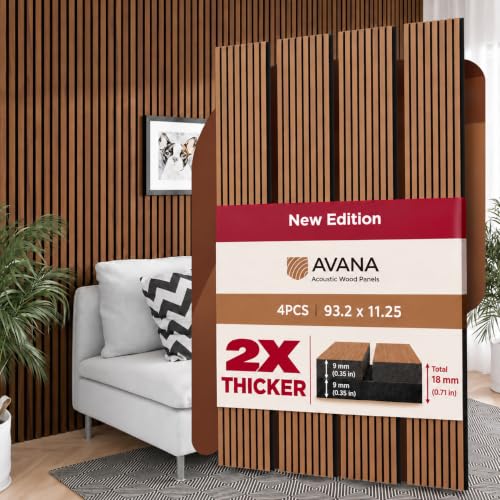
Wood adds warmth, texture, and architectural interest. Shiplap, beadboard, board-and-batten, and reclaimed wood each bring a distinct character. Wood accent walls work beautifully in farmhouse, rustic, and modern interiors alike.
Stone & Brick Veneer
For a dramatic, natural look, stone veneer or faux brick panels add texture and earthiness. These materials are ideal for fireplace walls, living rooms, and entryways, creating a sense of permanence and architectural weight.
Tile Accent Wall
Tile offers durability and easy maintenance, making it perfect for bathrooms, kitchens, and laundry rooms. Subway tile, mosaic patterns, and large-format tiles can create effects ranging from classic to contemporary.
Fabric & Upholstered Walls
Fabric-covered panels add acoustic benefits and a luxurious feel. Ideal for bedrooms, home theaters, and formal living rooms, upholstered accent walls create a sense of comfort and sophistication.
Accent Wall Materials Compared
| Material | Best For | Difficulty | Value Tier | Durability |
|---|---|---|---|---|
| Paint | Bedrooms, living rooms, quick makeovers | Beginner | Budget-Friendly | Moderate (5–7 years) |
| Wallpaper | Living rooms, bedrooms, powder rooms | Intermediate | Mid-Tier | Moderate (7–10 years) |
| Wood Paneling | Living rooms, entryways, home offices | Intermediate | Mid-Tier | High (15+ years) |
| Stone Veneer | Fireplace walls, living rooms, exteriors | Advanced | Premium | Very High (25+ years) |
| Tile | Bathrooms, kitchens, laundry rooms | Intermediate to Advanced | Mid-Tier | Very High (20+ years) |
| Upholstered Panels | Bedrooms, home theaters, formal spaces | Advanced | Premium | Moderate (10–15 years) |
How to Choose the Right Accent Wall
Selecting the right wall is just as important as choosing the finish. The goal is to choose a wall that naturally draws attention and serves the room's layout. Consider these guiding principles:
Choose a natural focal point. The wall behind the bed in a bedroom, behind the sofa in a living room, or behind the fireplace in a family room are classic choices. These walls anchor the room's primary furniture and create a sense of balance.
Avoid walls with interruptions. Walls with multiple doors, windows, or built-in shelving can break up the visual impact of an accent treatment. A clean, uninterrupted wall provides the best canvas for bold color or texture.
Consider the room's proportions. In a long, narrow room, an accent wall on the shorter end wall can make the space feel more balanced. In a small room, a lighter accent color can prevent the space from feeling cramped. If you are planning a larger renovation alongside your accent wall project, explore home renovation 101 for guidance on sequencing projects and managing scope.
Choosing the Perfect Accent Wall Color
Color is the most powerful tool in accent wall design. The right shade can energize, calm, or add sophistication to a room. Here is how to approach color selection based on the room's function and your design goals.
Accent Wall Colors by Room
Living Room: Deep jewel tones like emerald green, navy blue, or burgundy create drama and sophistication. For a more modern look, consider charcoal gray or a bold terracotta. These colors work well with neutral furniture and allow the accent wall to become a conversation piece.
Bedroom: Soft, calming colors promote rest. Muted blues, sage greens, warm grays, and dusty lavender are excellent choices. For a bolder look, a deep navy or plum accent wall behind the headboard creates a cocooning effect that enhances the sense of intimacy.
Home Office: Colors that enhance focus and creativity work best. Deep blues and greens are associated with concentration, while warm neutrals reduce eye strain. Avoid overly bright or saturated colors that can distract during work hours.
Kitchen and Dining: Warm, appetizing colors like terracotta, mustard yellow, or deep red can energize these spaces. Alternatively, a soft neutral accent wall with textured wallpaper adds elegance without overwhelming the room's functional areas.
Lighting Considerations
Lighting dramatically affects how an accent wall color appears. North-facing rooms receive cool, indirect light that can make warm colors feel muted, so consider warmer shades to compensate. South-facing rooms are flooded with warm natural light, allowing cooler colors to appear more balanced. Always test paint samples on the actual wall and observe them at different times of day before committing. If your accent wall project is part of a broader room refresh, coordinating with your overall home decor palette ensures a cohesive result.
Step-by-Step: How to Install an Accent Wall
Whether you choose paint, wallpaper, or paneling, the preparation and installation process determines the final result. Follow these steps for a professional-quality finish.
- Prepare the wall surface. Clean the wall thoroughly, fill any holes or cracks with spackle, and sand smooth. A flawless surface is essential for paint and wallpaper, as imperfections will show through.
- Protect the surrounding area. Use drop cloths to protect flooring and furniture. Apply painter's tape along baseboards, ceiling lines, and adjacent walls to ensure crisp, clean edges.
- Prime the wall. A quality primer ensures proper adhesion and helps the topcoat achieve its true color. Priming is especially important when transitioning from a dark color to a lighter one or when applying wallpaper.
- Apply your chosen finish. For paint, use a high-quality brush for edges and a roller for the main surface, applying two coats for even coverage. For wallpaper, follow the manufacturer's adhesive instructions and smooth out air bubbles with a wallpaper smoother. For wood paneling, install furring strips or adhesive according to the panel type.
- Finish the edges. Remove painter's tape while the paint or adhesive is still slightly tacky to prevent peeling. Install trim, baseboards, or outlet covers for a polished look.
- Inspect and touch up. Check for missed spots, drips, or bubbles. Make any necessary touch-ups and allow the wall to cure fully before hanging artwork or moving furniture back into place.
If your accent wall project is part of a larger room makeover, coordinating with other upgrades can maximize impact. For example, pairing a new accent wall with updated lighting upgrades or fresh interior painting throughout the room creates a cohesive, designer-quality result.
Common Accent Wall Mistakes to Avoid
Choosing the wrong wall. Placing an accent wall on a wall that is barely visible or interrupted by doors and windows defeats the purpose. Always choose a wall that naturally draws the eye and anchors the room's furniture.
Skipping surface preparation. Paint and wallpaper adhere poorly to dirty, uneven, or unprimed surfaces. Proper preparation is the foundation of a lasting, professional-looking accent wall.
Overpowering a small room. Very dark or highly saturated colors can make small rooms feel cramped. In compact spaces, opt for medium tones or use vertical patterns to create an illusion of height.
Ignoring the room's existing palette. An accent wall should complement, not clash with, the room's furniture, flooring, and decor. Test your chosen color or material against existing elements before committing.
Neglecting texture balance. If your room already features heavy textures like a stone fireplace or rough-hewn furniture, a smooth painted accent wall provides balance. Conversely, a textured accent wall can add interest to a room with mostly smooth surfaces.
Ready to Transform Your Space?
An accent wall is one of the most impactful upgrades you can make to any room. Whether you are refreshing a bedroom, revamping a living room, or adding character to a home office, the right accent wall delivers dramatic results with minimal disruption.
EXPLORE MORE DECOR IDEASFrequently Asked Questions About Accent Walls
Which wall should be the accent wall in a room?
Choose a wall that is architecturally interesting or serves as a natural focal point, such as the wall behind a bed, sofa, or fireplace. Avoid walls with doors, windows, or irregular features that can interrupt the visual impact of the accent treatment.
How do I choose the right color for an accent wall?
Consider the room's function, lighting, and existing decor. Bold jewel tones create drama in living spaces, soft neutrals work well in bedrooms, and lighter shades make small rooms feel larger. Test paint samples on the wall and observe them in both natural and artificial light before committing.
Can I create an accent wall in a small room?
Yes, accent walls can work beautifully in small rooms. Choose lighter or medium-tone colors to avoid making the space feel cramped, and consider vertical patterns like stripes or tall paneling to draw the eye upward and create an illusion of height.
What materials can I use for an accent wall besides paint?
Popular alternatives include wallpaper, wood paneling, shiplap, reclaimed wood, stone veneer, brick, tile, and fabric upholstery. Each material offers a distinct texture and visual interest that can elevate the room's design.
How long does it take to install an accent wall?
A painted accent wall can typically be completed in a single day including prep and drying time. Wallpaper installation usually takes one to two days, while wood paneling or stone veneer projects may require two to three days depending on complexity and material preparation.