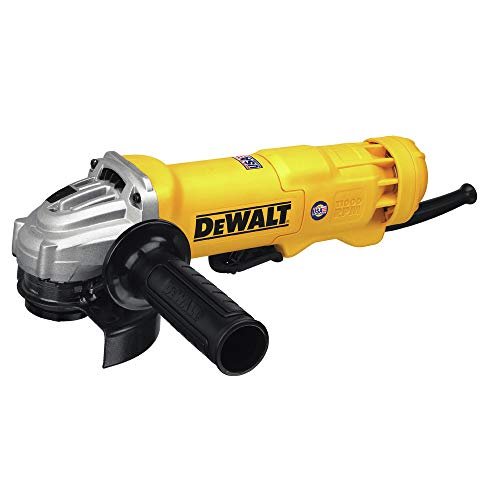
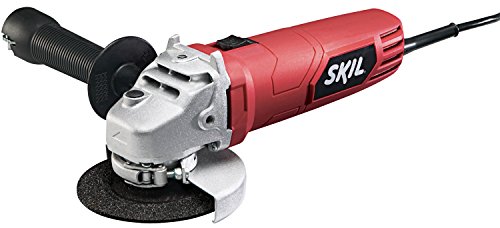
Angle Grinders: The Ultimate Guide
Discover everything you need to know about angle grinders – from choosing the right disc and safety practices to top-rated models for cutting, grinding, and polishing.
Shop Top Angle GrindersAn angle grinder is one of the most versatile power tools in any workshop or job site. Whether you're cutting metal, grinding welds, removing rust, or polishing surfaces, the right angle grinder can make the job faster and more precise. This guide covers the essential types, disc selection, safety protocols, and our top recommendations to help you choose the best angle grinder for your needs.
Types of Angle Grinders
⚡ Corded Angle Grinders
Continuous power for heavy-duty tasks. Ideal for prolonged cutting or grinding. Models range from 4.5" to 9" wheels. Best for workshops and construction sites where outlets are available.
🔋 Cordless Angle Grinders
Freedom of movement with battery power. Perfect for remote jobs and quick repairs. Modern brushless motors deliver impressive performance. Check voltage (18V–40V) for heavier work.
🔄 Paddle vs. Slide Switch
Paddle switch requires constant pressure – safer for accidental starts. Slide switch stays on for continuous use. Choose based on comfort and safety preference.
📏 Wheel Size: 4.5" vs 6" vs 9"
Smaller wheels (4.5") are lighter and easier to handle for DIY. Larger wheels (6"-9") cut deeper and are used in professional metal fabrication. Choose based on your typical material thickness.
Choosing the Right Discs & Wheels
The disc you use determines what your angle grinder can do. Here’s a quick guide:
| Disc Type | Best For | Material |
|---|---|---|
| Grinding Wheel | Removing welds, shaping metal | Aluminum oxide, zirconia |
| Cut-Off Disc | Cutting metal, rebar, bolts | Reinforced resin, diamond |
| Flap Disc | Blending, finishing, light grinding | Zirconia, ceramic |
| Wire Brush | Rust removal, cleaning surfaces | Steel wire, twisted knots |
| Diamond Blade | Cutting tile, concrete, masonry | Diamond-tipped segments |
Angle Grinder Safety: Non‑Negotiable Practices
Angle grinders are powerful and require respect. Follow these safety rules every time you use one:
- 👀 Eye & Face Protection: Always wear safety glasses and a face shield. Sparks and debris fly at high speeds.
- 🧤 Heavy‑Duty Gloves: Use work gloves to protect your hands from heat and sharp edges.
- 👂 Hearing Protection: Grinders are loud – wear ear protection to prevent long‑term damage.
- 🔧 Guard & Handle: Keep the wheel guard in place and use the auxiliary handle for two‑handed control.
- ⛑️ Dust & Fumes: Use a respirator when cutting or grinding materials that produce toxic dust.
- 🔌 Cord Management: Keep cords away from the grinding area to avoid accidental cutting.
For more safety gear, check our guides on safety glasses, work gloves, and respirators to complete your protective setup.
How to Choose the Best Angle Grinder
When selecting an angle grinder, consider these key factors to match your specific needs:
- Power (Amps / Voltage): Corded: 7–15 amps. Cordless: 18V–40V. Higher power for thicker metal and longer use.
- Disc Size: 4.5" is the most common for DIY and general use. 6" or 9" for heavy fabrication.
- Weight & Ergonomics: Lighter grinders reduce fatigue. Test the grip and handle position if possible.
- Safety Features: Kickback brake, restart protection, and anti‑vibration handle are valuable extras.
- Brand Reliability: Look for proven brands with good parts availability and warranty.
If you're building your tool collection, you may also want to explore cordless drills and impact drivers to complement your angle grinder.
What Can You Do With an Angle Grinder?
🔨 Metal Cutting
Perfect for rebar, pipes, sheet metal, and bolts. Use a cut‑off disc for clean, fast cuts.
🛠️ Grinding & Blending
Remove welds, smooth edges, and shape metal with grinding wheels or flap discs.
🧼 Rust & Paint Removal
Wire brush wheels make quick work of rust, old paint, and corrosion on metal surfaces.
🧱 Masonry & Tile
Diamond blades can cut concrete, brick, and ceramic tile for renovation projects.
Maintenance & Care Tips
Keep your angle grinder performing at its best with routine maintenance:
- Clean after each use: Blow out dust and debris from the air intakes to prevent overheating.
- Inspect discs: Check for cracks or chips before installation. Replace worn discs immediately.
- Lubricate gears: Refer to your manual for gear grease intervals – typically every 50 hours of heavy use.
- Check brushes (corded): Carbon brushes wear down; replace them when they reach 1/4" length.
- Store properly: Keep in a dry place and use tool storage organizers to protect from moisture.
For more on tool care, see our guides on cleaning power tools and rust removal.
FAQs About Angle Grinders
Can I use a wood‑cutting blade on an angle grinder?
No – angle grinders are not designed for wood cutting except with specialized carving discs. Use a circular saw for wood.
What's the best angle grinder for a beginner?
A 4.5" corded grinder with a paddle switch and anti‑kickback is a safe, affordable start. Brands like DeWalt, Makita, and Bosch are reliable.
How do I change the disc?
Use the spindle lock button to secure the shaft, then loosen the flange nut with the provided wrench. Always unplug or remove battery first.
Are cordless grinders as powerful as corded?
High‑voltage (40V) brushless cordless grinders come close, but corded models still offer the most sustained power for heavy tasks.
Ready to Choose Your Angle Grinder?
We've curated the best angle grinders on the market – from budget‑friendly models to professional‑grade tools. Browse our top picks below and find the perfect match for your workshop.
View Top Angle Grinders