
Light Fixtures: The Complete Buying Guide for Every Room
Understand fixture types, sizing rules, placement strategies, and quality tiers so you can choose lighting that looks right, works right, and lasts.
Explore Fixture TypesLight fixtures do more than illuminate a space. They set the mood, define zones, and act as visual focal points. Yet many homeowners buy fixtures on appearance alone and later discover they are the wrong scale, the wrong brightness, or the wrong color temperature for the room. This guide walks through the decisions that matter before you add anything to your cart.
Why the Right Light Fixture Matters
Lighting is one of the few upgrades that changes how a room feels at every hour of the day. A well-planned mix of ambient, task, and accent fixtures makes a kitchen easier to cook in, a bathroom easier to groom in, and a living room more inviting in the evening. Poor lighting does the opposite: it creates glare, shadows, and dead zones that make even a beautifully furnished room feel unfinished.
The stakes go beyond aesthetics. In kitchens and bathrooms, proper task lighting reduces eye strain and improves safety around sharp tools and wet surfaces. In hallways and stairwells, adequate illumination prevents falls. And because lighting accounts for a meaningful share of household electricity use, choosing efficient fixtures is one of the simplest energy upgrades available. If you are planning a broader update, pairing new fixtures with a thoughtful approach to lighting upgrades throughout the home delivers consistent results room to room.
The Main Types of Light Fixtures
Most residential lighting falls into a handful of categories. Knowing which category suits which room is the fastest way to narrow your search.
Ceiling Fixtures
Flush-mount and semi-flush fixtures sit close to the ceiling and work well in rooms with standard or low ceilings, hallways, closets, and bedrooms. Chandeliers and pendants hang lower and serve as statement pieces over dining tables and kitchen islands. Ceiling fans with integrated lights combine air movement and illumination, which is useful in bedrooms and living areas. For whole-room ambient light, recessed downlights distribute light evenly and keep the ceiling visually clean.
Wall Fixtures
Sconces add layered light along walls, flank mirrors in bathrooms, and frame entryways. Vanity bars over or beside a bathroom mirror provide even, shadow-free light for grooming. Wall-mounted reading lights free up nightstand space in bedrooms.
Task and Accent Fixtures
Under-cabinet lighting brightens kitchen counters. Picture lights highlight artwork. Landscape and path lights extend the living space outdoors. These smaller fixtures are often overlooked, yet they are what make a lighting plan feel complete rather than merely functional.
Sizing and Placement Rules That Actually Work
Scale is the most common mistake in fixture selection. A chandelier that is too small disappears in a large dining room; one that is too large overwhelms a small entryway. Two simple formulas cover most situations:
- Ceiling fixture diameter: add the room's length and width in feet, then use that total in inches. A 12-by-14-foot room calls for roughly a 26-inch fixture.
- Pendants over an island: total pendant width should be about two-thirds the island's width. Hang the bottom of each pendant 30 to 36 inches above the countertop.
- Dining chandelier height: the bottom of the fixture should sit about 30 to 36 inches above the tabletop.
For bathrooms, place vanity fixtures at eye level or slightly above so light falls on the face rather than casting shadows downward. In hallways, space flush mounts every 8 to 10 feet. Layering matters too: a single overhead fixture rarely lights a room well on its own. Combine ambient, task, and accent sources so each area has light where it is needed.
Brightness, Color Temperature, and CRI
Three specifications determine how a fixture actually performs, and none of them is visible in a product photo.
Lumens measure light output. As a rough guide, living rooms and bedrooms need about 10 to 20 lumens per square foot, while kitchens and bathrooms benefit from 70 to 80 lumens per square foot in task areas. Color temperature, measured in Kelvin, sets the mood: 2700K to 3000K gives a warm, cozy glow for living spaces; 3500K to 4000K reads neutral and crisp for kitchens and workspaces; 5000K and above feels cool and clinical. CRI (color rendering index) describes how accurately a light shows true colors. Look for CRI of 90 or higher in bathrooms, dressing areas, and anywhere art or textiles are displayed.
Keep color temperature consistent within a room. Mixing warm and cool fixtures in the same space creates a patchy, uncomfortable effect that no amount of styling can fix.
Understanding Quality Tiers
Light fixtures span a wide range of construction quality, and the differences show up over years of use rather than on day one. Entry-level fixtures typically use thinner metal, basic finishes, and integrated LED modules that cannot be serviced. Mid-range fixtures improve on this with sturdier housings, better finish durability, and often replaceable bulbs. Premium and high-end fixtures use solid brass, hand-finished metalwork, dimming drivers that work smoothly with smart systems, and modular components that can be repaired rather than replaced.
For high-use areas such as kitchens and bathrooms, a mid-range fixture usually offers the best balance of durability and value. Statement pieces in dining rooms or entryways justify stepping up to premium construction because they are seen every day and rarely moved. Budget-friendly fixtures make sense in closets, laundry rooms, and other utility spaces where function outweighs form.
Room-by-Room Recommendations
Kitchen: combine recessed ambient light, pendants over the island, and under-cabinet task lighting. Bathroom: pair a ceiling fixture with vanity lights on both sides of the mirror at face height. Living room: layer a ceiling fixture with floor and table lamps for flexible evening light. Bedroom: use a flush mount or fan light for general illumination plus bedside reading lights. Dining room: a chandelier or linear pendant centered over the table is the anchor. Hallways and stairs: prioritize even, glare-free light with flush mounts or sconces.
If your project extends beyond lighting, our guides on interior painting and living room renovation explain how finishes and layout interact with a new lighting plan. For kitchens specifically, see our overview of kitchen renovation ideas on a budget.
Installation: DIY vs. Hiring a Pro
Replacing an existing fixture on an existing circuit is a manageable DIY task for someone comfortable working at a breaker panel and with basic wiring. New circuits, added switches, or any work inside the panel itself should go to a licensed electrician. If you are unsure about the wiring in your walls, or the fixture is heavier than a standard junction box is rated for, call a professional. For related projects, our guides on lock installation and faucet installation follow similar decision rules for when to DIY and when to hire out.
A Practical Shopping Checklist
Before buying, confirm the following: the fixture's diameter or width suits the room using the formulas above; the mounting height clears doors, furniture, and traffic paths; the lumen output matches the room's function; the color temperature is consistent with existing fixtures nearby; the CRI is high enough for the task; the finish matches other hardware in the room; the fixture is compatible with your dimmer; and replacement bulbs, if applicable, are a standard type you can source easily. If the fixture uses an integrated LED, check whether the manufacturer offers replacement modules.
Top-Rated Light Fixtures for Every Room
⚠️ AFFILIATE DISCLOSURE: This website contains affiliate links. As an Amazon Associate, we earn from qualifying purchases. If you make a purchase through these links, we may receive a small commission at no additional cost to you. Read our full affiliate policy.
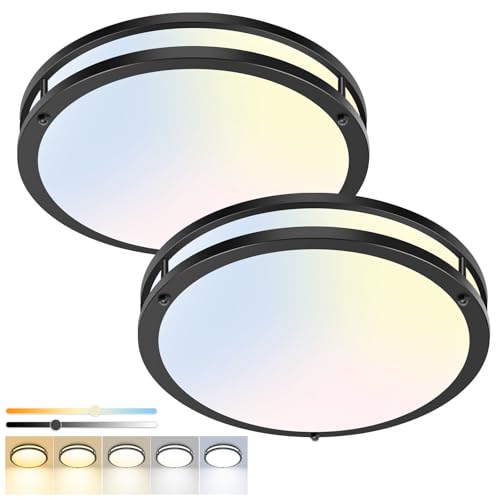
hepside 13inch Flush Mount Ceiling Light Fixture 2 Pack, Dimmable & 5 Color Temperatures Ceiling Light Black, 24W 3000K 3500K 4000K 5000K 6500K Adjustable Ceiling Lamps for Bathroom Bedroom Hallway
Check price on Amazon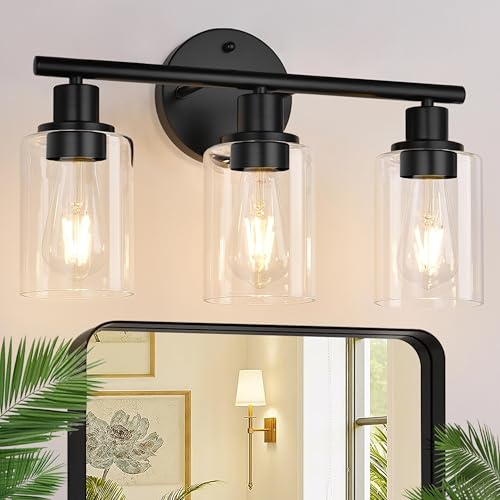
Zarbitta 3-Light Bathroom Light Fixtures, 17.23" Black Modern Vanity Lights with Clear Glass Shade, Bathroom Wall Lamp for Mirror Kitchen Living Room Hallway Cabinet Porch
Check price on Amazon
Black Flush Mount Ceiling Light Fixtures, 2-Light Ceiling Mount for Farmhouse with Seeded Glass Lampshade, Industrial Flush Mount Light Fixture Farmhouse for Hallway, Kitchen, Entryway and Foyer
Check price on Amazon
hykolity 13 inch Flush Mount LED Ceiling Light Fixture,5CCT | 2700K/3000K/3500K/4000K/5000K Adjustable Ceiling Lights,Brushed Nickel Saturn Dimmable Lighting for Kitchen,ETL Listed
Check price on Amazon
Fairdeer 12 Inch LED Flush Mount Ceiling Light 5 Color Temperatures 2 Pack | 3000K/3500K/4000K/5000K/6500K 24W Black LED Ceiling Light Fixture for Bathroom Closet Kitchen Bedroom Hallway Porch Pantry
Check price on Amazon
DESIGNERS FOUNTAIN 13.25-Inch 2-Light Flush Mount, Oil Rubbed Bronze | Steel flush mount with white alabaster glass shade; 13.25 inches wide; uses two 60W max E26 bulbs (not included)
Check price on Amazon
Govee Smart Ceiling Light, RGBIC 2400LM 2700K-6500K 12 Inch 1 Pack White | RGBIC LED Flush Ceiling Light Fixture, 2400LM DIY Colors, Works with Matter Alexa for Bedroom, Living Room
Check price on Amazon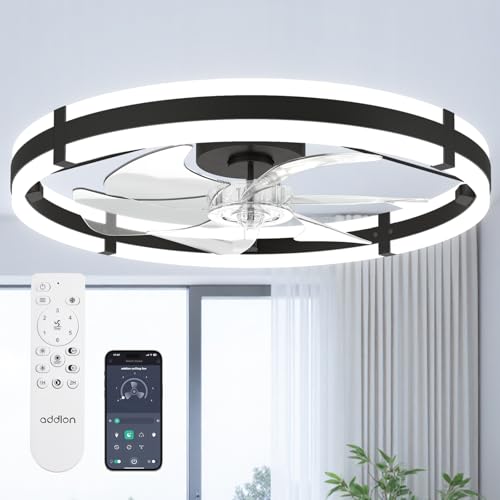
addlon 24" Low Profile Fandelier Ceiling Fans with Lights and Remote, Black | Wider Airflow, 3000-6000K Dimmable LED, 6 Speeds, Reversible DC Motor, Remote and App Control, Memory Function, Timer, Quiet
Check price on AmazonFrequently Asked Questions
How do I determine the right size light fixture for a room?
Add the room's length and width in feet, then use that number in inches as the fixture's diameter. For pendants over an island, total the fixture widths to roughly two-thirds of the island's width.
What is the difference between lumens and watts?
Watts measure energy use; lumens measure light output. LED fixtures produce the same lumens as older incandescent bulbs using far fewer watts, so judge brightness by lumens, not watts.
How high should pendant lights hang over a kitchen island?
Hang the bottom of each pendant 30 to 36 inches above the countertop, and keep at least 7 feet of clearance between the floor and the fixture.
Do I need a licensed electrician to install light fixtures?
Simple replacements on an existing circuit are often DIY-friendly. New wiring, new circuits, or work inside the breaker panel should be handled by a licensed electrician.