Mold Remediation: Complete Guide to Removal & Prevention
Understand the causes, health risks, and proven strategies to eliminate mold and keep your home safe and healthy.
Mold is more than an unsightly nuisance — it’s a potential health hazard that can compromise indoor air quality and damage your home’s structure. This comprehensive guide covers everything from identifying mold types to executing a safe remediation plan, whether you choose DIY methods or hire professionals.
🏠 Common Causes
Moisture intrusion from leaks, poor ventilation, high humidity, flooding, and condensation. Mold thrives in damp, dark environments.
⚠️ Health Risks
Exposure can trigger allergies, asthma, respiratory infections, and chronic sinusitis. Immunocompromised individuals are especially vulnerable.
🛠️ Remediation Options
DIY for small areas (<10 sq ft) using proper PPE and cleaning solutions. For larger infestations or toxic black mold, professional remediation is strongly advised.
🧹 Prevention
Control moisture with dehumidifiers, fix leaks promptly, improve ventilation, and use mold-resistant products in high-risk areas like basements and bathrooms.
What Is Mold and Why Does It Grow?
Mold is a type of fungus that reproduces through airborne spores. It requires three conditions to flourish: moisture, a food source (such as drywall, wood, or fabric), and optimal temperatures (typically between 60–80°F). Common household molds include Cladosporium, Penicillium, Aspergillus, and the notorious Stachybotrys chartarum (black mold). Identifying the type of mold is less important than addressing the moisture source and safely removing the growth.
Moisture problems often stem from roof leaks, plumbing failures, poor gutter installation, or inadequate drainage solutions around your foundation. Even everyday activities like cooking, showering, or drying clothes indoors can elevate humidity to mold-friendly levels if ventilation is insufficient.
Health Risks & Structural Damage
Prolonged mold exposure can lead to a range of health issues, from mild allergic reactions (sneezing, coughing, itchy eyes) to more severe conditions like asthma attacks, bronchitis, and pulmonary fibrosis. Infants, the elderly, and individuals with pre-existing respiratory conditions are at highest risk. Furthermore, mold digests organic materials, gradually weakening structural repairs may become necessary if left unchecked.
If you notice a musty odor, visible discoloration on walls, or unexplained allergy symptoms, it’s time to investigate. Early detection and remediation are key to protecting both your family’s health and your home’s integrity.
DIY Mold Removal vs. Hiring a Pro
For small, isolated patches (less than 10 square feet), DIY remediation is feasible. Use protective gear (N95 mask, gloves, goggles), seal off the area, and clean with a solution of water and detergent or a dedicated mold cleaner. Never mix bleach with ammonia, and ensure the area is thoroughly dried afterward. For larger infestations, particularly if you suspect black mold or if the mold is in your HVAC system, professional home safety is paramount.
Professionals use advanced containment, HEPA air filtration, and antimicrobial treatments to ensure complete removal and prevent cross-contamination. They also conduct post-remediation testing to verify air quality. While DIY saves money, diy vs hiring a pro is a critical decision when health and extensive property damage are at stake.
How to Prevent Mold Growth
Prevention is always better than remediation. Here are actionable steps to keep your home mold-free:
- Control humidity: Keep indoor humidity below 50% using dehumidifiers and air conditioners. Monitor with a hygrometer.
- Fix leaks promptly: Repair roof, plumbing, and window leaks immediately. Dry wet areas within 24–48 hours.
- Improve ventilation: Use exhaust fans in bathrooms and kitchens. Ensure your dryer vents outside.
- Insulate properly: Prevent condensation on cold surfaces with proper insulation types and attic insulation.
- Use mold-resistant products: Consider mold-resistant drywall and paints, especially in basements, laundry rooms, and bathrooms.
- Clean regularly: Routinely clean bathrooms, kitchens, and basements. Use mold-inhibiting cleaners.
Regular inspections of your roof, gutters, and foundation can catch problems early. If you experience flooding, follow emergency repairs guidelines to dry out and sanitize affected areas swiftly.
Step-by-Step Remediation Process
Whether you tackle it yourself or call a professional, the core remediation steps are consistent:
- Inspection & Assessment: Identify the source of moisture and the extent of contamination.
- Containment: Isolate the affected area using plastic sheeting and negative air pressure to prevent spore spread.
- Air Filtration: Use HEPA air scrubbers to capture airborne spores.
- Removal: Physically remove moldy materials (e.g., drywall, insulation, carpet). Clean non-porous surfaces with EPA-registered antimicrobials.
- Drying: Ensure the area is completely dry before rebuilding.
- Reconstruction: Replace removed materials and address the root moisture cause.
- Post-Remediation Verification: Conduct air quality testing to confirm success.
Ignoring mold can lead to costly home renovation projects later. Taking swift action is an investment in your property and well-being.
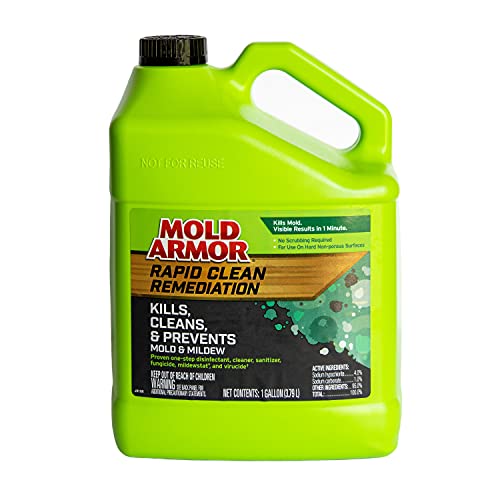
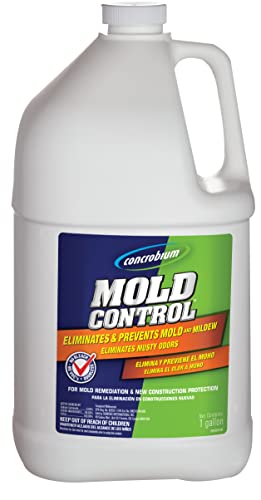
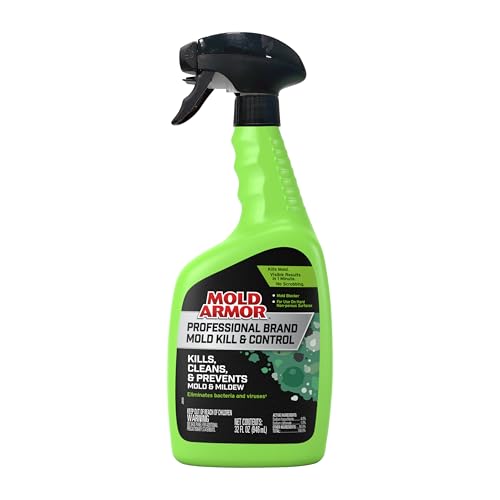
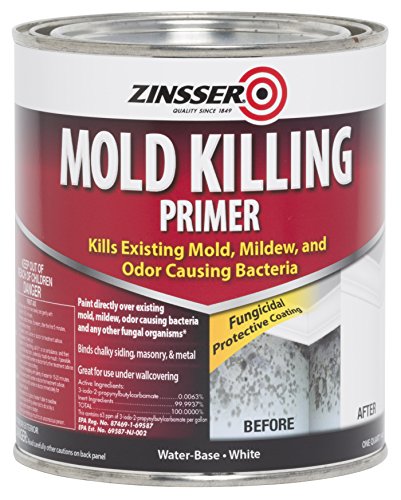
Ready to tackle mold in your home? Get the right tools and professional-grade products for safe, effective remediation. Shop our recommended solutions below.
Remember: for large areas or black mold, always consult a licensed professional.
For related maintenance, explore our guides on seasonal maintenance, duct cleaning, and furnace filters to improve indoor air quality.