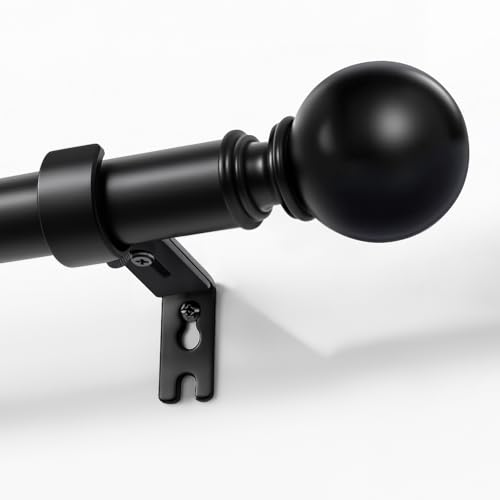
Curtain Rods: The Complete Guide to Choosing, Installing & Styling
Everything you need to know about curtain rods — from materials and mounting styles to precise installation techniques. Make confident decisions for your window treatment project.
Explore Recommended Curtain RodsWhy curtain rods matter more than you think: Curtain rods are the backbone of any window treatment. The right rod supports the weight of your drapery, complements your interior design, and ensures smooth operation for years. A poorly chosen rod can sag under load, damage drywall, or clash with your room's aesthetic — while a well-chosen one elevates the entire space.
This guide walks you through every decision point: rod materials, diameter selection, mounting hardware, bracket placement, and installation techniques. Whether you are dressing a single bedroom window or outfitting an entire home, you will finish this article ready to purchase and install with confidence.
Types of Curtain Rods & Mounting Styles
Understanding the Main Categories
Curtain rods fall into several functional categories, each suited to different window configurations and curtain weights. Knowing these distinctions prevents costly mistakes before you buy.
Single Rods
The most common option, a single rod holds one curtain panel or pair of panels. Available in fixed lengths or adjustable telescoping designs, single rods suit standard windows and are the simplest to install. They work with nearly every curtain type, from sheers to blackout panels.
Double Rods
A double rod features two parallel bars — a front rod for decorative curtains and a rear rod for sheers or liners. This layered approach adds depth and insulation. Double rods are ideal for living rooms and bedrooms where you want both light control and privacy.
Tension Rods
Tension rods rely on spring pressure to stay in place between two walls, requiring no drilling or hardware. They suit lightweight curtains in rental apartments, small windows, and temporary setups. Keep in mind that tension rods cannot support heavy drapery and may slip over time on smooth surfaces.
Traverse Rods
Traverse rods use a cord or wand mechanism to slide curtains open and closed horizontally. They are common for sliding glass doors, large picture windows, and patio openings where reaching the center of the curtain is impractical. Traverse rods handle heavier fabrics well but cost more and require more precise installation.
Return Rods and Wrap-Around Rods
Wrap-around rods curve back toward the wall at each end, allowing curtains to overlap the window edges and block light leaks. These are popular in bedrooms for blackout curtains and in media rooms where light control matters. Return rods require careful measurement to ensure the bend clears window trim.
Curtain Rod Materials & Finishes Compared
Strength, Style, and Durability
The material you choose affects how much weight the rod supports, how it ages, and how it fits your interior style. The table below compares the most common options using universal quality tiers rather than pricing.
| Material | Quality Tier | Best For | Key Considerations |
|---|---|---|---|
| Steel | Mid-Range to Premium | Heavy drapes, wide windows, high-traffic rooms | Maximum strength; powder-coated finishes resist rust. Choose thicker gauges for long spans. |
| Aluminum | Entry-Level to Mid-Range | Bathrooms, kitchens, humid climates, lightweight curtains | Lightweight and rust-proof by nature. Less rigid than steel, so use center brackets on long runs. |
| Wood | Mid-Range | Traditional, rustic, and farmhouse interiors | Warm aesthetic; can warp in humid rooms. Look for sealed or stained finishes. |
| Brass / Bronze | Premium to Luxury | Elegant living rooms, formal dining spaces | Durable and corrosion-resistant. Lacquered finishes reduce tarnishing and polishing needs. |
| Wrought Iron | Premium | Heavy custom drapery, statement windows | Very strong and visually bold. Heavier to install; requires solid anchoring. |
| Plastic / PVC | Entry-Level | Light sheers, temporary setups, tight budgets | Lightweight and moisture-resistant but prone to bowing under load. Best for short spans. |
Finish choice matters as much as material. Matte black and brushed nickel remain versatile across modern and transitional styles, while oil-rubbed bronze and antique brass suit traditional interiors. For outdoor or sunroom applications, prioritize UV-resistant and rust-proof coatings — aluminum and powder-coated steel are the safest bets.
How to Choose the Right Rod Diameter and Length
Diameter: Match the Rod to the Load
Rod diameter directly affects load capacity and visual weight. As a rule of thumb:
- 1/2 to 3/4 inch: Lightweight sheers, valances, and narrow windows under 4 feet wide.
- 3/4 to 1 inch: Standard curtains and most residential windows up to 6 feet wide.
- 1 to 1.5 inches: Heavy drapes, blackout curtains, and wide spans over 6 feet. Pair with center support brackets.
Longer rods need thicker walls or added support. A 1-inch steel rod with three brackets will outperform a 3/4-inch rod with two brackets on any span over 8 feet. When in doubt, size up — a slightly thicker rod reads as more intentional and handles future curtain upgrades.
Length: Extend Beyond the Window
Measure your window width, then add 6 to 12 inches on each side. This extra length lets curtains stack beside the glass rather than covering it, making the window appear larger and letting in more daylight. For a dramatic, floor-to-ceiling look, extend 12 to 16 inches beyond each side and mount higher on the wall.
If you are planning a broader room refresh alongside your window treatment upgrade, exploring curb appeal ideas on a budget can help you coordinate exterior and interior improvements. For rooms undergoing larger renovations, our guide on the cost of renovating a house provides useful planning context.
Step-by-Step Curtain Rod Installation
Tools and Materials You Will Need
Gather these before you start: tape measure, pencil, level, drill with appropriate bits, wall anchors (toggle bolts for drywall, masonry anchors for brick), screwdriver, and a stud finder. Most rod kits include brackets and screws, but anchors are often sold separately — check the box.
Installation Process
- Mark the bracket height. Measure 4 to 6 inches above the window frame (or 2 to 4 inches below the ceiling for ceiling-mounted rods). Mark the height on both sides of the window with a pencil.
- Determine bracket positions. Place brackets 2 to 4 inches beyond each side of the window frame. For wide windows, add a center bracket at the midpoint to prevent sagging.
- Locate studs or prepare anchors. Use a stud finder to identify wall studs at bracket locations. If no stud is available, mark the spot and install toggle bolts or heavy-duty drywall anchors rated for your curtain weight.
- Drill pilot holes. Drill holes slightly smaller than your anchors or screws. Hold a vacuum nozzle nearby to catch drywall dust.
- Mount the brackets. Secure each bracket with screws. Check level across all brackets before tightening fully — a 1/8-inch difference over a wide span is visible once curtains hang.
- Assemble and hang the rod. Slide curtain rings or panels onto the rod before mounting it in the brackets. For telescoping rods, adjust to the final length and lock the sections.
- Test and adjust. Open and close the curtains several times. If the rod bows, add a center bracket or upgrade to a thicker diameter. If brackets loosen, replace anchors with toggle bolts.
For ceilings and walls that need repair before installation, our drywall repair guide covers patching holes and restoring a smooth surface. If your window treatment project is part of a larger bathroom or kitchen refresh, the cost to rehab a bathroom and cost of remodeling a small kitchen resources help you sequence work and plan logistics.
Styling Tips for Every Room
Bedrooms: Prioritize Light Control
Choose wrap-around or return rods with blackout curtains to eliminate light gaps at the edges. Mount rods high and wide so curtains puddle slightly or graze the floor. A double rod lets you layer sheers for daytime privacy and blackout panels for sleep. Guest spaces benefit from simple, neutral rods that blend with any bedding — see our guest bedroom design ideas for coordinating window treatments with the rest of the room.
Living Rooms: Make a Statement
This is the room for premium materials — brass, bronze, or thick wood rods with decorative finials. Floor-to-ceiling curtains on a wide rod create architectural drama. Coordinate the rod finish with light fixtures, cabinet hardware, or furniture legs for a cohesive look. If your living room opens to a deck, our deck building and deck repair guides help you extend that design consistency outdoors.
Kitchens and Bathrooms: Moisture-Resistant Choices
Humidity is the enemy of wood and untreated steel. Choose aluminum, powder-coated steel, or sealed wood in these rooms. Cafe-style rods or simple tension rods over sink windows work well and stay out of the way. If you are updating these spaces, the cost to replace kitchen countertops and cost of bathtub to shower conversion guides provide renovation context.
Home Offices and Sunrooms: Function First
Glare control matters for screens and reading. Choose adjustable rods that let you position curtains precisely, and consider layered treatments for flexibility. Sunrooms need UV-resistant rods and fade-resistant fabrics. Our cost of sun room addition guide covers broader considerations for these bright spaces.
Frequently Asked Questions
What is the best material for curtain rods?
The best material depends on your needs. Steel offers maximum strength for heavy drapes, aluminum provides a lightweight rust-resistant option, wood adds warmth to traditional interiors, and brass or bronze deliver premium aesthetics with durability. For humid rooms like bathrooms, choose rust-resistant finishes such as aluminum or coated steel.
How do I choose the right curtain rod diameter?
Rod diameter should match curtain weight and window width. Thin rods (1/2 to 3/4 inch) suit lightweight sheers and narrow windows. Medium rods (3/4 to 1 inch) handle most standard curtains. Heavy drapes and wide spans over 6 feet benefit from thick rods (1 to 1.5 inches) with center support brackets to prevent sagging.
Where should curtain rods be mounted?
For a taller, more spacious look, mount rods 4 to 6 inches above the window frame and extend them 6 to 12 inches beyond each side. This allows curtains to hang beside the glass rather than covering it, maximizing natural light. For ceiling-height treatments, mount 2 to 4 inches below the ceiling.
Can I install a curtain rod without drilling?
Yes, tension rods require no drilling and work well for lightweight curtains in rental spaces. However, they cannot support heavy drapes. Adhesive brackets exist for light loads but are less reliable on textured or painted walls. For permanent, heavy-duty installations, drilled brackets with wall anchors remain the most secure option.
How much weight can a curtain rod hold?
Weight capacity depends on the rod material, diameter, bracket quality, and anchoring. Entry-level rods with plastic brackets typically handle lightweight sheers, while mid-range steel rods with metal brackets support medium-weight curtains. Premium and heavy-duty rods with center support brackets can hold substantial drapery. Always check the manufacturer's weight rating and use toggle bolts in drywall for maximum security.
Ready to Upgrade Your Windows?
Browse our curated selection of curtain rods suited to every window size, curtain weight, and interior style. Each recommendation is chosen for durability, ease of installation, and design versatility.
View Recommended Curtain Rods