Choose the Best Compost Bin for Your Garden
Turn kitchen scraps and yard waste into nutrient-rich compost. Compare tumblers, stationary bins, and worm composters to find the perfect fit for your home and garden.
Shop Top Compost BinsWhy Compost? Composting reduces landfill waste, enriches your soil, and helps your garden thrive. Whether you're a beginner or an experienced gardener, choosing the right compost bin is the first step to success.
Types of Compost Bins
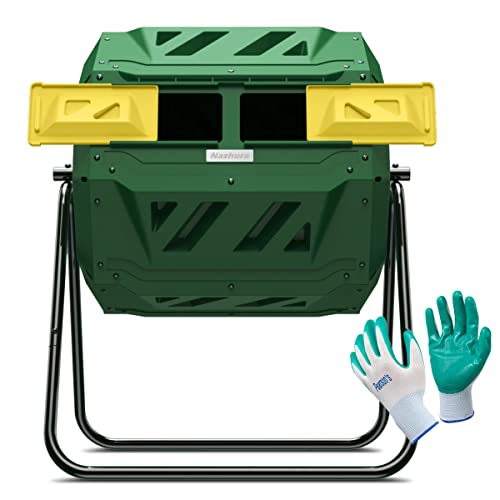
🔄 Compost Tumblers
Easy-to-turn barrels that speed up the composting process. Ideal for small to medium gardens. Prices typically range from $80–$250.
- Fast decomposition (2–4 weeks)
- Pest-resistant design
- Requires regular turning
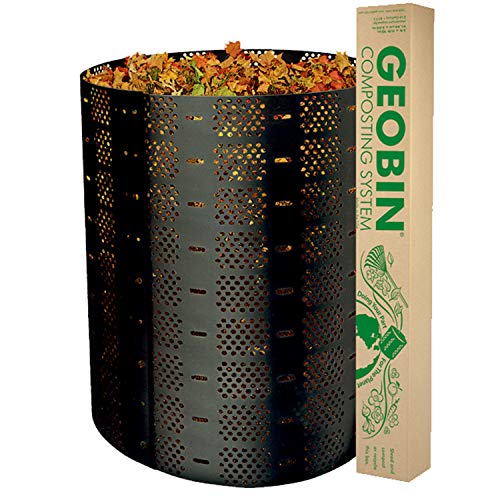
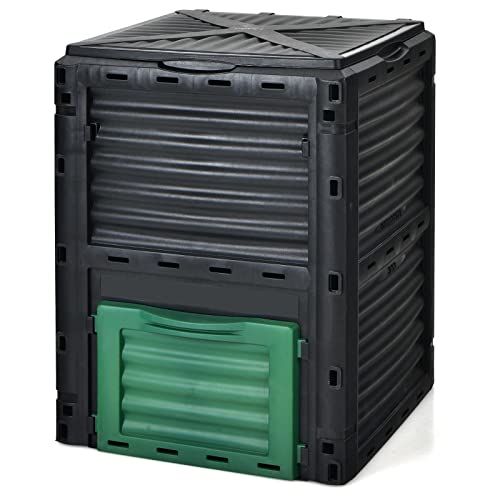
🏡 Stationary Bins
Open-bottom, low-cost bins perfect for large gardens. Simple and effective for continuous composting. Prices range from $50–$150.
- Low maintenance
- Good for large volumes
- Requires ground contact
🐛 Worm Composters (Vermicomposting)
Indoor-friendly systems using worms to break down food scraps. Great for apartments and small spaces. Prices range from $60–$200.
- Produces nutrient-rich worm castings
- Odor-free when maintained
- Ideal for kitchen waste
🌿 DIY & Pallet Bins
Build your own compost bin using wooden pallets or wire mesh. Costs as little as $30+ for materials.
- Highly customizable
- Very low cost
- Requires some DIY skills
What to Look For in a Compost Bin
Choosing the right composter depends on your garden size, lifestyle, and composting goals. Consider these essential factors:
- Capacity: How much waste do you produce? A 30–60 gallon bin is suitable for most households.
- Material: Durable plastic or metal bins last longer and resist weather. Wooden bins offer a natural look.
- Access: Look for easy-to-open doors or sliding panels for harvesting finished compost.
- Aeration: Good airflow is key to aerobic decomposition. Tumblers and bins with ventilation holes are best.
- Pest Resistance: Rat-proof designs and secure lids keep critters out.
Quick Comparison: Top Compost Bins
Why Composting Matters for Your Garden
Compost is often called "black gold" for good reason. It improves soil structure, retains moisture, and provides essential nutrients for plants. By composting at home, you also reduce methane emissions from landfills—a simple way to fight climate change.
To get the most from your compost, consider pairing it with other sustainable gardening practices. For example, healthy soil starts with good planning. Learn more about soil guides to understand your garden's needs. If you're growing vegetables, our vegetable gardening section offers tips to maximize yields. And for a complete outdoor oasis, explore outdoor & garden ideas for your entire property.
Compost Bin Maintenance & Troubleshooting
Keeping your compost bin healthy is easy with these simple steps:
- Turn regularly: Aerate the pile every 3–5 days to speed up decomposition.
- Balance greens & browns: Mix kitchen scraps (green) with dry leaves, straw, or paper (brown) for optimal carbon-nitrogen ratio.
- Monitor moisture: The pile should be damp like a wrung-out sponge. Add water or dry materials as needed.
- Pest control: Avoid adding meat, dairy, or oily foods. Use a secure lid and consider adding a layer of soil on top.
If you notice a foul odor, add more brown materials and turn the pile. For slow decomposition, check moisture and aeration. A properly maintained bin will produce finished compost in 2–6 months.
Ready to take your gardening to the next level? A compost bin is just the start. Explore our raised bed plans for a thriving vegetable patch, or build a greenhouse to extend your growing season. For creative garden projects, check out trellises & arbors and garden lighting to enhance your outdoor space. And don't forget to maintain your tools—our garden tool reviews help you choose the best equipment for the job.
Ready to Start Composting?
Browse the best compost bins below. Our curated selection includes top-rated tumblers, stationary bins, and worm composters to suit every garden and budget.
Shop Compost Bins Now