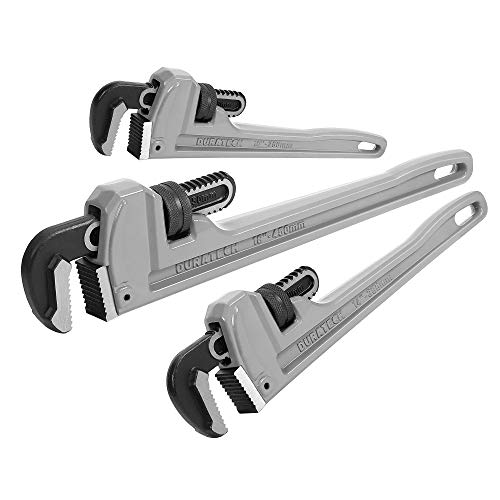
Pipe Wrenches: The Ultimate Guide to Types, Sizes & Uses
Master the art of pipe fitting with our comprehensive guide. Learn how to choose the right pipe wrench for plumbing, gas lines, and heavy-duty mechanical work.
What is a Pipe Wrench? A pipe wrench is a specialized tool designed to grip and turn threaded pipes, fittings, and other cylindrical objects. Its self-tightening jaw provides immense torque, making it indispensable for plumbing, gas fitting, and mechanical repairs. Whether you're a professional plumber or a DIY enthusiast, understanding the different types of pipe wrenches, their sizes, and proper usage is essential for safe and efficient work.
What is a Pipe Wrench and Why Do You Need One?
A pipe wrench is a heavy-duty gripping tool with serrated jaws that bite into the surface of pipes, providing a secure hold for turning or tightening. Unlike standard wrenches, the pipe wrench's jaw angle allows it to grip tighter as more force is applied, preventing slippage even on wet or greasy pipes. This makes it the go-to tool for plumbing tools and pipe repair tasks.
Key Components of a Pipe Wrench
Jaw
The serrated, hardened steel upper jaw that grips the pipe. It's designed to bite into the pipe surface for a non-slip hold.
Hook Jaw (Lower)
The curved lower jaw that pivots to adjust to different pipe sizes. Its teeth face the opposite direction for maximum grip.
Handle
Typically made from ductile iron for strength. Longer handles provide greater leverage for turning stubborn pipes.
Knurling
The textured pattern on the handle or thumbwheel that provides extra grip when adjusting the wrench.
Types of Pipe Wrenches
Choosing the right type of pipe wrench is crucial for the task at hand. Here are the most common types you'll encounter:
Stillson Wrench
The classic and most common type. Features a lightweight design with a replaceable jaw. Ideal for general plumbing, gas lines, and industrial applications. Available in sizes from 6" to 48".
- Best for: General plumbing, gas pipes
- Pros: Durable, affordable, replaceable jaws
- Cons: Can mark softer pipes
Heavy-Duty Pipe Wrench
Built for extreme torque applications. Features a reinforced handle and larger, more aggressive jaw teeth. Often used in industrial settings and for large diameter pipes.
- Best for: Industrial, large pipes (2"+)
- Pros: Maximum torque, durable
- Cons: Heavy, more expensive
Offset Pipe Wrench
Designed with a bent handle that provides extra clearance in tight spaces. Ideal for working near walls, in corners, or under cabinets.
- Best for: Tight spaces, close to walls
- Pros: Access in confined areas
- Cons: Reduced leverage
End Pipe Wrench
Features a jaw that is perpendicular to the handle, allowing it to grip pipes from the end. Useful for turning pipes that are flush against a surface.
- Best for: Pipes flush with walls
- Pros: Grips from the end
- Cons: Limited applications
Chain Pipe Wrench
Uses a chain to wrap around the pipe, providing a secure grip on large or irregularly shaped pipes. Great for pipes that are coated or in fragile materials.
- Best for: Large pipes, fragile materials
- Pros: Versatile, less marring
- Cons: Slower to set up
Strap Wrench
Uses a flexible strap (rubber or nylon) to grip the pipe without marring the surface. Perfect for polished or plastic pipes where damage must be avoided.
- Best for: Plastic, polished pipes
- Pros: Non-marring, lightweight
- Cons: Not for heavy torque
Pipe Wrench Size Chart & Capacity
Choosing the correct pipe wrench size is essential for safety and effectiveness. Here's a quick reference guide:
| Wrench Length (in) | Capacity (Pipe Diameter) | Best Use | Typical Price Range |
|---|---|---|---|
| 6" – 10" | Up to 1" | Small plumbing, tight spaces | $15 – $40 |
| 12" – 14" | 1" – 1.5" | General plumbing, residential | $25 – $60 |
| 18" – 24" | 1.5" – 2" | Commercial plumbing, gas lines | $40 – $90 |
| 36" – 48" | 2" – 4" | Industrial, heavy-duty | $80 – $200+ |
| 60" (5 ft) | 4" – 6" | Municipal, large diameter pipes | $150+ |
Materials and Construction Quality
The quality of a pipe wrench depends heavily on the materials used in its construction. High-quality wrenches are built to last and withstand years of heavy use.
Handle Materials
- Ductile Iron: Most common, excellent strength-to-weight ratio
- Cast Steel: Very strong, used in heavy-duty models
- Aluminum: Lightweight, but less durable for heavy use
Jaw Materials
- Forged Steel: Hardened for maximum grip and wear resistance
- Alloy Steel: Superior hardness, used in premium wrenches
- Replaceable Jaws: Prolong the life of your wrench
How to Use a Pipe Wrench Correctly
Pro Tip: Always position the pipe wrench so the force is applied to the stronger, lower jaw. This ensures maximum grip and prevents jaw breakage.
- Choose the right size: Select a wrench with a jaw capacity that matches your pipe diameter.
- Adjust the jaw: Open the jaw by rotating the knurled adjusting nut so the pipe fits snugly.
- Position the wrench: Place the wrench over the pipe with the lower jaw at the bottom.
- Apply force: Pull the handle toward you. The self-tightening action will grip the pipe tighter as you apply more force.
- Maintain alignment: Keep the wrench perpendicular to the pipe to avoid slipping.
- Use two wrenches: When working with two connected pipes, use one wrench to hold the fitting and the other to turn the pipe.
Pipe Wrench Maintenance & Care
Proper maintenance ensures your pipe wrench remains reliable for years. Here's how to care for your tool:
Cleaning
- Remove dirt and debris after each use.
- Use a wire brush to clean the jaw teeth.
- Wipe down with a clean, dry cloth.
Lubrication
- Apply a light machine oil to the adjusting nut and pivot pin.
- This ensures smooth adjustment and prevents rust.
- For heavy use, use a penetrating oil.
Storage
- Store in a dry place to prevent rust.
- Hang on a pegboard or store in a tool storage system.
- Avoid dropping or impacting the wrench.
Inspection
- Check for worn or damaged jaw teeth regularly.
- Inspect the handle for cracks or fatigue.
- Replace jaws or the entire wrench if damaged.
Pipe Wrench Safety Tips
- ✅ Wear work gloves to protect your hands from sharp edges and debris.
- ✅ Use safety glasses to protect your eyes from metal shavings or debris.
- ✅ Never extend the handle with a pipe or cheater bar – this can cause the wrench to break and lead to serious injury.
- ✅ Keep your hands clear of the jaw area when applying force.
- ✅ Ensure the pipe is stable before applying torque to avoid sudden movement.
- ✅ Use the correct size – using an undersized wrench can damage the tool and the pipe.
How to Choose the Right Pipe Wrench
When purchasing a pipe wrench, consider the following factors:
- Size: Choose a size that covers the pipe diameters you work with most frequently.
- Type: Select the type that best fits your typical tasks (e.g., Stillson for general use, offset for tight spaces).
- Build Quality: Look for forged steel jaws and ductile iron handles for durability.
- Brand: Established brands like Ridgid, Milwaukee, and Klein Tools are known for quality.
- Weight: Consider lighter aluminum options if you'll be working overhead or for extended periods.
- Budget: Prices range from under $20 for entry-level wrenches to over $200 for industrial-grade tools.
Frequently Asked Questions
What is the difference between a pipe wrench and a monkey wrench?
A pipe wrench has serrated jaws that self-tighten and are designed for gripping round pipes. A monkey wrench has smooth parallel jaws and is better suited for flat surfaces like nuts and bolts.
Can I use a pipe wrench on plastic pipes?
Yes, but you should use a strap wrench or a pipe wrench with rubber jaw covers to prevent cracking or damaging the plastic pipe.
How do I know which size pipe wrench to buy?
Consider the pipe sizes you work with most. For general home plumbing, a 14" and 18" wrench will cover most needs. For larger pipes, go up to 24" or 36".
What is a chain pipe wrench used for?
A chain pipe wrench is used for turning large diameter pipes or pipes that are in fragile materials. The chain wraps around the pipe, providing a secure grip without marring the surface.
How do I maintain my pipe wrench?
Regularly clean the jaws with a wire brush, apply light oil to the adjusting nut and pivot, and store in a dry place to prevent rust.