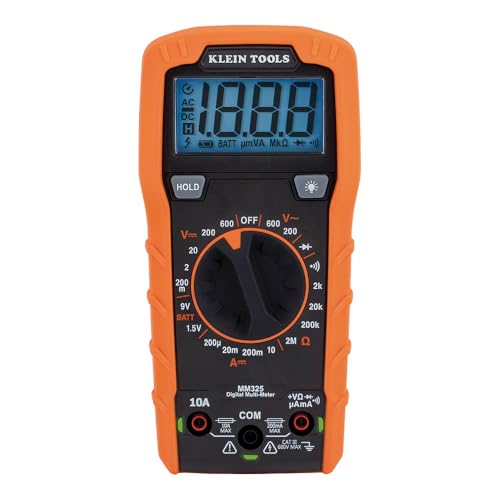
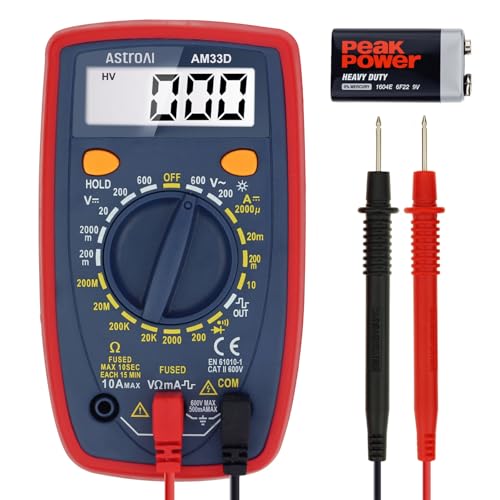
Multimeter Buying Guide: Choose the Best Tester for Your Needs
Discover how to select the perfect multimeter for your DIY projects, home repairs, and professional work. Learn about key features, safety ratings, and accuracy to make an informed purchase.
Shop Recommended MultimetersWhy a Multimeter is Essential: A multimeter is the single most important tool for troubleshooting electrical problems. Whether you're testing outlets, diagnosing car issues, or working on a DIY project, having the right multimeter saves time and ensures safety.
What is a Multimeter?
A multimeter, also known as a VOM (Volt-Ohm-Milliammeter), is an electronic measuring instrument that combines several measurement functions in one unit. It is the go-to tool for electricians, engineers, and DIY enthusiasts to test voltage, current, and resistance.
Modern multimeters are digital (DMMs) and offer high accuracy, easy-to-read displays, and advanced features like capacitance and frequency measurement. For most home users and professionals alike, a quality digital multimeter is a must-have in any toolbox.
Key Features to Consider
When shopping for a multimeter, understanding the core features is crucial. Here's what to look for:
Accuracy & Resolution
Look for a multimeter with at least 3.5 digits (2000 counts) for reliable readings. Higher counts (e.g., 6000) provide better resolution.
Safety Rating (CAT)
Choose a meter with a CAT III or CAT IV rating for home and industrial use. This ensures protection against voltage spikes.
True RMS
True RMS (Root Mean Square) is essential for accurately measuring non-sinusoidal waveforms, common in modern electronics and variable-speed drives.
Auto-Ranging vs. Manual
Auto-ranging meters automatically select the correct range, simplifying use. Manual ranging offers more control for experienced users.
Display & Backlight
A large, backlit display is crucial for reading measurements in dimly lit spaces like electrical panels or under cars.
Additional Functions
Features like capacitance, frequency, temperature, and continuity with a buzzer add versatility for a wide range of tasks.
Types of Multimeters: Which One Do You Need?
Multimeters come in various types, each suited for different applications. Here's a breakdown to help you decide:
| Type | Best For | Key Features | Price Range |
|---|---|---|---|
| Basic Digital Multimeter | Home use, hobbyists, simple testing | Voltage, resistance, continuity, basic accuracy | $25–$80 |
| Auto-Ranging Multimeter | DIYers, apprentices, general troubleshooting | Auto-range, True RMS, capacitance, frequency | $80–$200 |
| Clamp Meter | Electricians, HVAC, high-current testing | Non-contact current measurement, True RMS, jaw opening | $100–$350 |
| Benchtop Multimeter | Lab use, R&D, high-precision work | High accuracy, data logging, multiple inputs | $400–$1,500+ |
For most homeowners and DIYers, a digital auto-ranging multimeter with True RMS is the sweet spot, offering the best balance of features and affordability. If you frequently work with motors or high-current circuits, a clamp meter might be a better choice.
How to Use a Multimeter Safely
Safety is paramount when working with electricity. Always follow these best practices:
- Inspect Your Meter: Check leads and the meter for damage before each use.
- Select the Correct Setting: Always set the dial to the correct measurement (voltage, resistance, etc.) and range before testing.
- Use the Proper Leads: Ensure leads are rated for the voltage you're testing. Use the COM (common) and VΩmA jacks correctly.
- Never Touch Metal Probes: Hold the leads by the insulated handles to avoid electric shock.
- Start with High Range: If unsure of the voltage, start on the highest range and work down.
- Disconnect Power for Resistance: Always turn off power to a circuit before measuring resistance or continuity.
Following these guidelines will protect both you and your equipment. For more safety tips, read our full electrical safety guide.
Top Multimeter Picks for Every User
Based on features, reliability, and user reviews, here are some of the best multimeters available today. Whether you're a beginner or a seasoned pro, there's an option for you.
For Beginners & Homeowners
Best Value: A basic auto-ranging multimeter with voltage, resistance, and continuity. Perfect for checking outlets, batteries, and fuses. Price: ~$50.
For Serious DIYers & Hobbyists
Best All-Rounder: A True RMS auto-ranging meter with capacitance, frequency, and temperature. Ideal for appliance repair, automotive, and electronics. Price: ~$150.
For Professionals & Electricians
Best Professional: A high-accuracy True RMS clamp meter with inrush current and data logging. Essential for commercial and industrial work. Price: ~$300+.
All recommended multimeters listed below are top-rated and available through our affiliate partners. By purchasing through these links, you support our work at no extra cost to you.
Common Multimeter Applications
A multimeter is incredibly versatile. Here are some common tasks you can accomplish:
- Testing Wall Outlets: Verify voltage (110V/220V) and proper grounding.
- Automotive Diagnostics: Check battery voltage, alternator output, and fuse continuity.
- Appliance Repair: Test heating elements, motors, and switches in washers, dryers, and ovens.
- Electronics Projects: Measure resistor values, diode forward voltage, and transistor gain.
- Troubleshooting Wiring: Find breaks in wires and confirm proper connections.
For detailed step-by-step guides on these tasks, check out our wiring basics and outlet & switch tutorials.
Frequently Asked Questions
What is the difference between a multimeter and a voltage tester?
A voltage tester is a simpler device that only detects the presence of voltage. A multimeter measures voltage, current, resistance, and more, providing detailed diagnostic information.
How accurate are digital multimeters?
Basic meters offer ±1% accuracy, while professional models can achieve ±0.1% or better. For most home and hobbyist needs, ±0.5% is more than sufficient.
Can I use a multimeter on live circuits?
Yes, but only when measuring voltage or current. Always follow safety precautions and use a meter with a proper CAT rating for the circuit you're testing.
Is a clamp meter better than a multimeter?
Clamp meters excel at measuring high current without breaking the circuit. However, they often lack the resolution for low-current electronics. Many professionals own both.
What does "True RMS" mean?
True RMS provides accurate measurements of non-sinusoidal AC waveforms, which are common in modern electronics with variable speed drives and switched-mode power supplies.
Final Verdict: Make an Informed Choice
Choosing the right multimeter doesn't have to be overwhelming. Start by assessing your typical tasks: homeowners need basic safety and accuracy, DIYers benefit from auto-ranging and True RMS, and professionals require ruggedness and advanced features.
Investing in a quality multimeter is an investment in your safety and the success of your projects. With the information in this guide, you're now equipped to select the perfect meter for your needs. Ready to buy? Check out our top recommendations below.