Tool Basics: Your Starter Guide to DIY Success
Understand the essential hand tools, power tools, and safety gear every DIYer needs. Learn how to choose, use, and maintain tools for any home project.
Start Your DIY Journey →Why Tool Basics Matter: Whether you're hanging a picture or building a deck, having the right tools and knowing how to use them safely makes all the difference. This guide covers the must-have tools for beginners, essential safety practices, and simple projects to build your confidence.
1. Essential Hand Tools for Every Homeowner
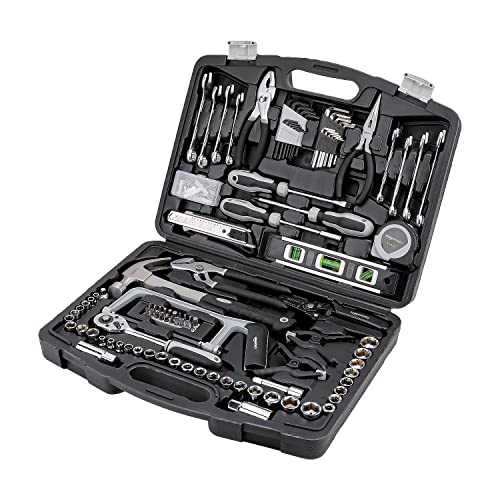
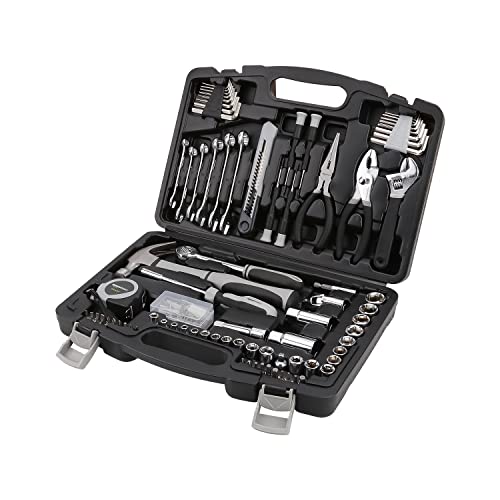
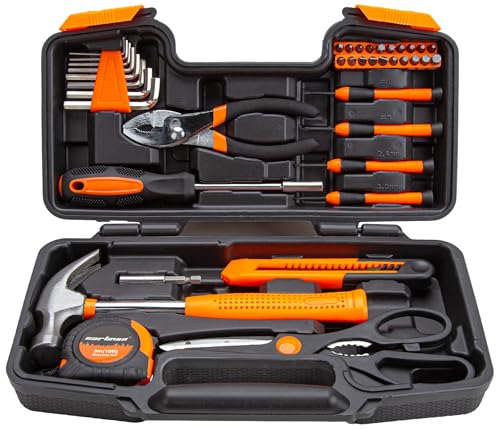
Every toolbox should start with these reliable hand tools. They're versatile, affordable, and perfect for a wide range of tasks around the house.
🔨 Hammers
- Claw Hammer: 16 oz is the standard for most DIY work. Great for driving and removing nails.
- Rubber Mallet: Ideal for tapping materials without damaging surfaces.
🪛 Screwdrivers
- Flathead & Phillips: Get a set with multiple sizes (e.g., #0, #1, #2 for Phillips).
- Multi-bit screwdriver: Saves space and covers most needs.
📏 Measuring & Leveling
- Tape Measure: 25-foot is a good all-rounder. Look for a locking mechanism.
- Spirit Level: A 2-foot level is essential for hanging pictures and shelves straight.
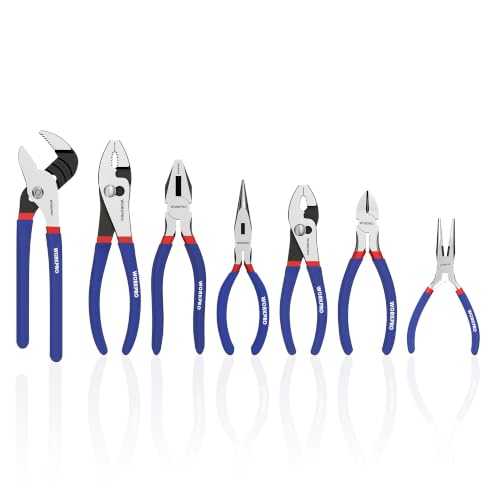
🔧 Wrenches & Pliers
- Adjustable Wrench: 10-inch size handles most nuts and bolts.
- Needle-Nose Pliers: Perfect for gripping, bending, and cutting wire.
- Slip-Joint Pliers: A versatile grip for various tasks.
2. Power Tools That Make Projects Easier
Once you're comfortable with hand tools, power tools speed up your work and open up new possibilities. Start with these essentials:
🔋 Cordless Drill/Driver
- Why: Drills holes and drives screws with ease.
- What to look for: 18V lithium-ion battery, keyless chuck, and at least two speeds.
- Price: $100–$250 for a solid kit.
⚡ Circular Saw
- Why: Straight cuts in lumber, plywood, and MDF.
- What to look for: 7-1/4″ blade, bevel capability, and a good safety guard.
- Price: $120–$300 for a reliable corded model.
🔄 Jigsaw
- Why: Cuts curves and intricate shapes in wood, metal, or plastic.
- What to look for: Variable speed, orbital action, and tool-less blade change.
- Price: $60–$150.
🛠️ Random Orbital Sander
- Why: Smooths surfaces quickly without swirl marks.
- What to look for: Velcro backing pad, variable speed, and dust collection.
- Price: $50–$120.
3. Safety Gear – Non-Negotiable
Protecting yourself is the most important part of any project. Never skip these basics:
- Safety Glasses: Impact-resistant lenses protect against flying debris.
- Hearing Protection: Earplugs or earmuffs for power tools.
- Dust Mask / Respirator: Essential when sanding or cutting materials that produce fine dust.
- Work Gloves: Improve grip and protect hands from splinters and sharp edges.
- Knee Pads: A lifesaver for flooring or any work on your knees.
For more detailed safety guidelines, visit our Safety First Guide.
4. Keep Your Tools in Top Shape
Well-maintained tools last longer, perform better, and are safer to use.
- Clean after use: Remove dust, grease, and debris.
- Sharpen blades: Dull blades are dangerous and inefficient.
- Lubricate moving parts: A drop of oil on hinges and chucks prevents rust.
- Store properly: Keep tools in a dry, organized space. Check out tool storage ideas for inspiration.
5. Start with Simple Projects
Applying your new knowledge is the best way to learn. Try these beginner-friendly projects:
- Build a simple shelf: Practice measuring, cutting, and assembling. See our first project ideas.
- Install a towel bar: Great for learning about wall anchors and leveling.
- Create a picture frame: A fun woodworking project that teaches miter cuts and joinery.
- Upcycle an old piece of furniture: Sand, paint, and replace hardware.
6. How to Choose the Right Tool
With so many options, picking the right tool can feel overwhelming. Follow these guidelines:
- Identify the task: Are you drilling, cutting, fastening, or smoothing?
- Consider power source: Corded tools offer consistent power; cordless provides portability.
- Read reviews: Real-world feedback from other DIYers is invaluable.
- Stick to trusted brands: DeWalt, Makita, Milwaukee, Bosch, and Ryobi offer great options for all budgets.
Before you buy, explore our Tools & Equipment section for detailed comparisons and guides.
7. Specialized Tools for Home Systems
As you advance, you may want to tackle plumbing, electrical, or painting projects. Each trade has its own set of essential tools:
- Plumbing: Pipe wrench, plunger, plumber's tape, and a basin wrench.
- Electrical: Voltage tester, wire strippers, needle-nose pliers, and a multimeter.
- Painting: Quality brushes, rollers, paint tray, and drop cloths.
For in-depth guides, visit our Home Systems page.
Ready to Start Your DIY Journey?
Now that you understand tool basics, it's time to choose the right equipment for your first project. Browse our selection of top-rated tools below to get started.
Explore Recommended Tools