Irrigation Systems: The Complete Guide to Watering Your Lawn & Garden
Discover how to choose, install, and maintain an irrigation system that keeps your landscape healthy while saving water, time, and effort.
SEE RECOMMENDED IRRIGATION GEARWhy a Proper Irrigation System Matters
A well-designed irrigation system is one of the most valuable upgrades you can make to your property. It delivers consistent moisture to lawns, garden beds, and trees, which promotes deeper root growth, reduces plant disease, and keeps your landscape looking vibrant through the growing season. For homeowners planning broader outdoor upgrades, pairing an irrigation system with outdoor living improvements creates a cohesive, low-maintenance yard that is enjoyable all year.
Beyond convenience, irrigation protects your investment in landscaping. Hand watering rarely reaches the root zone evenly, and it often wastes water through runoff and evaporation. An automated system applies the right amount of water at the right time, which reduces waste and supports rainwater harvesting and other sustainable landscaping practices. If you are also addressing drainage or hardscape projects, coordinating irrigation with patio paver installation ensures lines and emitters are placed before surfaces are finished.
Types of Irrigation Systems Compared
There is no single best irrigation system — the right choice depends on your soil, plant types, yard size, water pressure, and budget tier. The table below compares the most common options so you can match a system to your landscape.
| System Type | Best For | Water Efficiency | Installation Effort | Typical Tier |
|---|---|---|---|---|
| In-Ground Sprinkler | Medium to large lawns | Moderate to high with smart controller | High (trenching, valves, wiring) | Mid-range to premium |
| Drip Irrigation | Garden beds, shrubs, containers | Very high | Low to moderate | Entry-level to mid-range |
| Soaker Hoses | Small beds and vegetable gardens | High | Very low | Budget-friendly |
| Above-Ground Sprinklers | Small lawns, temporary setups | Low to moderate | Very low | Entry-level |
| Micro-Sprinklers | Groundcover and mixed borders | High | Moderate | Mid-range |
If your property relies on a well, low water pressure can affect every type of system. Reviewing how to increase water pressure on a well system before installation prevents disappointing coverage and uneven watering.
Key Components of an Irrigation System
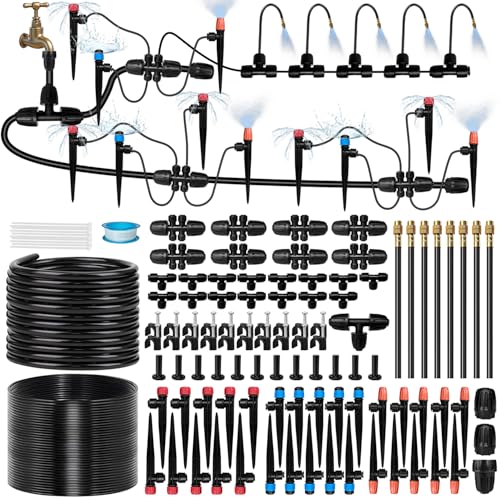
Understanding the anatomy of an irrigation system helps you plan, troubleshoot, and upgrade with confidence. Most systems share the following core components:
- Water source and backflow prevention: A connection to your outdoor faucet or a dedicated line, protected by a backflow preventer to keep irrigation water out of your drinking supply.
- Valves and zones: Automatic valves divide your yard into zones so different plant types receive appropriate watering schedules.
- Controller or timer: The brain of the system. Smart controllers adjust run times based on weather, soil moisture, and season.
- Distribution lines: PVC or polyethylene pipe carries water to sprinkler heads or drip emitters.
- Sprinkler heads or emitters: Pop-up heads for turf, drip emitters for beds, and micro-sprinklers for groundcover.
- Filters and pressure regulators: Essential for drip systems to prevent clogging and protect emitters.
When installing or servicing valves near your home's supply, careful work with pipe repair techniques and the right plumbing tools prevents leaks and costly damage. If your system ties into an outdoor faucet, it is worth reviewing faucet installation best practices for a leak-free connection.
How to Choose the Right System for Your Yard
Start by mapping your landscape into hydrozones — areas with similar sun exposure and plant water needs. Lawns, vegetable beds, and ornamental shrubs should generally be on separate zones. Next, measure your water pressure and flow rate; a simple pressure gauge and bucket test reveal whether you need a pressure regulator or a booster pump.
Consider your soil type as well. Sandy soil drains quickly and benefits from shorter, more frequent cycles, while clay soil absorbs slowly and needs longer, less frequent watering to avoid runoff. A smart controller with soil-type settings handles this automatically. If your home's overall water pressure feels weak, addressing whole-house water pressure before finalizing your irrigation design can make a noticeable difference in coverage.
Finally, plan for expansion. Choose a controller with spare zones and use quality valves so you can add drip lines or new beds later without replacing the entire system. Homeowners who enjoy hands-on upgrades may also appreciate related guides on raised bed construction and planter box plans, since these structures pair naturally with drip irrigation.
Installation: DIY vs. Professional
Small-scale drip systems and soaker hose layouts are realistic DIY projects. They require little more than a faucet timer, a filter, pressure regulator, and tubing with emitters. A full in-ground sprinkler system, however, involves trenching, mainline plumbing, valve manifolds, wiring, and backflow compliance — work that is best handled by a licensed irrigation contractor.
Hiring a professional is especially wise if your system must connect to the home's main water supply or if local codes require permits. A qualified contractor will also perform a coverage audit and adjust head spacing to avoid dry spots. If your project expands beyond irrigation into broader yard renovations, exploring outdoor lighting and privacy screens at the same time can reduce total installation disruption.
Before any digging, confirm the location of utility lines and review local regulations. Resources such as the permits guide help clarify when a permit is required for outdoor plumbing work.
Maintenance & Seasonal Care
Consistent maintenance keeps your system efficient and extends its lifespan. A simple seasonal routine covers most needs:
- Spring startup: Inspect heads for damage, flush lines, and test each zone for coverage and leaks.
- Mid-season check: Adjust heads that have shifted, clean filters, and update the controller schedule for changing weather.
- Fall/winter shutdown: In freezing climates, blow out lines with compressed air to prevent cracked pipes and valves. Drain above-ground components and insulate exposed backflow assemblies.
Clogged emitters are the most common drip irrigation issue; routine filter cleaning and periodic line flushing prevent most problems. If you notice persistent low pressure at specific heads, inspect the zone valve and supply line for debris or damage. Understanding how to turn water pressure up in your house can help you diagnose whether the issue is system-wide or isolated to irrigation.
Water-Efficient Irrigation Strategies
Water efficiency is both an environmental and practical concern. The most impactful strategies include:
- Upgrade to a smart controller: Weather-based or soil-moisture-based controllers automatically skip watering after rain and adjust run times to seasonal demand.
- Convert turf zones to drip where possible: Drip delivers water directly to roots with minimal evaporation.
- Mulch garden beds: A 2–3 inch layer of mulch reduces evaporation and moderates soil temperature.
- Water early in the morning: Reduced wind and cooler temperatures minimize losses.
- Group plants by water need: Hydrozoning prevents overwatering some plants to satisfy others.
Combining these practices with rainwater harvesting can further reduce dependence on municipal supply. For homeowners planning a broader sustainable landscape, integrating irrigation with outdoor kitchen and pergola projects ensures water lines are routed intelligently around hardscape features.
Ready to Build a Smarter Irrigation Setup?
Browse our curated selection of controllers, drip kits, sprinkler heads, and accessories — hand-picked to help you water efficiently and keep your landscape thriving.
VIEW RECOMMENDED PRODUCTSFrequently Asked Questions
What is the most water-efficient irrigation system?
Drip irrigation is generally the most water-efficient system because it delivers water directly to plant roots, minimizing evaporation and runoff. When combined with a smart controller that adjusts based on weather data, drip systems achieve the highest efficiency.
How often should I run my sprinkler system?
Most lawns need about 1 to 1.5 inches of water per week, including rainfall. It is better to water deeply two to three times per week than to run short cycles daily. A smart controller can automate this schedule based on local conditions.
Can I install an irrigation system myself?
A small drip system for garden beds is a practical DIY project. However, a full in-ground sprinkler system with trenching, valves, and backflow prevention is best installed by a licensed professional to ensure proper coverage, code compliance, and warranty protection.
How do I winterize my irrigation system?
In freezing climates, you must blow out the lines with compressed air before the first frost to prevent pipe and valve damage. Many homeowners hire a professional for this service, though confident DIYers can do it with the right air compressor and adapter.
Whether you are upgrading a single garden bed or planning a full landscape refresh, a thoughtful irrigation strategy pays dividends in plant health and water savings. Pair your system with complementary projects like outdoor furniture and patio remodeling to create an outdoor space that is both beautiful and easy to maintain.