Outdoor Lighting: Transform Your Home's Exterior
Discover how outdoor lighting enhances safety, beauty, and property value. From landscape and security to ambient and pathway lighting, learn how to plan, choose, and install the right system for your home.
EXPLORE TOP OUTDOOR LIGHTING PICKSOutdoor lighting is one of the highest-impact upgrades a homeowner can make. It extends the usable hours of your patio and garden, deters intruders, and dramatically improves curb appeal after sunset. Whether you are lighting a small front porch or a sprawling backyard, understanding the core principles of exterior lighting will help you avoid common mistakes and build a system that looks professional for years.
This guide breaks down the essential lighting layers, compares fixture tiers, and walks you through planning, safety, and smart-control options. If you are also refreshing the surrounding spaces, pair this with our guides on outdoor living and patio pavers to create a cohesive design.
Why Outdoor Lighting Matters
Safety & Security
Well-placed lighting eliminates dark corners, reduces tripping hazards on steps and paths, and makes your property less attractive to intruders.
Curb Appeal
Strategic illumination highlights architecture, trees, and landscaping, boosting perceived home value and nighttime street presence.
Outdoor Living
Ambient and task lighting let you enjoy decks, patios, and outdoor kitchens comfortably long after sunset.
Energy Efficiency
Modern LED fixtures and smart timers cut energy use dramatically while delivering warmer, more consistent light.
The smartest approach is to layer light: each layer solves a different problem. Overhead ambient light creates general visibility, task lighting supports specific activities, accent lighting adds depth, and pathway lighting handles safety. Layering prevents the harsh "security spotlight" look that so many homeowners want to avoid.
The Four Lighting Layers
Ambient Lighting
Soft, general illumination that replaces the sun after dark. Use wall sconces, string lights, or post lights to create a welcoming base level.
Best for: porches, patios, entriesTask Lighting
Focused light for specific activities like grilling, reading, or working. Directional and bright but controllable.
Best for: grills, prep areas, stairsAccent Lighting
Dramatic uplighting or grazing that highlights trees, walls, and architectural features, adding depth and texture.
Best for: trees, facades, artPathway & Safety
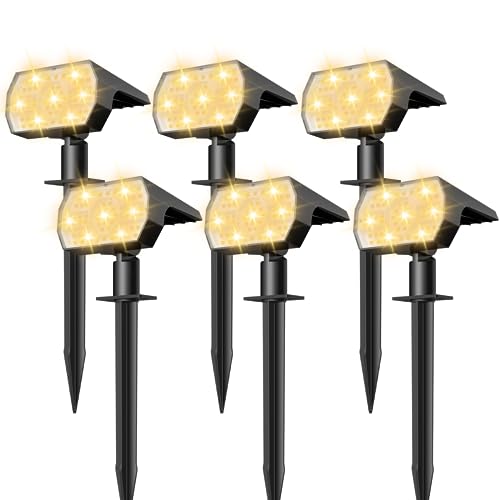
Low, directed light along walkways, steps, and driveways to prevent trips and guide guests to entrances.
Best for: walkways, steps, drivewaysPro tip: Never mix too many color temperatures in one view. Choose warm white (around 2700K–3000K) for most residential exteriors — it flatters wood, brick, and greenery. Reserve cooler tones for security areas only.
Choosing Fixture Tiers
Outdoor fixtures are exposed to rain, UV, temperature swings, and pests. The market is broadly split into four quality tiers. Understanding them helps you match product choices to the location and expected lifespan — without chasing a specific price point.
| Tier | Typical Build | Best Use Case | Durability |
|---|---|---|---|
| Entry-Level | Plastic or composite bodies, basic LED modules | Rentals, temporary setups, budget landscaping | 2–3 seasons |
| Mid-Range | Powder-coated aluminum, sealed LED arrays | Most residential yards and patios | 5–8 years |
| Premium | Solid brass or 316 stainless steel, replaceable LEDs | High-end landscaping, coastal or humid climates | 10–20 years |
| Luxury | Architectural-grade brass with integrated smart control | Custom estates, designer landscapes | 20+ years |
Mid-range fixtures offer the best balance for most homeowners: they hold up to weather, render accurate color, and accept standard LED bulbs. Premium and luxury tiers make sense for permanent landscape installations where longevity matters. Entry-level fixtures are fine for seasonal decor or short-term rentals.
Planning & Installation Checklist
Before buying anything, map your layout. A simple sketch of your property with planned fixture positions will save hours of frustration. Then work through these essentials.
- Decide between low-voltage (12V) and line-voltage (120V) systems — low-voltage is safer and easier for DIY pathways.
- Count fixtures per circuit; most low-voltage transformers handle 100–300 watts of LED load.
- Use waterproof connectors and gel-filled wire nuts at every junction.
- Position pathway lights about 6–8 feet apart and stagger them for a natural look.
- Place uplights 1–2 feet from tree trunks to avoid hot spots.
- Choose fixtures with replaceable LED modules so you can upgrade without re-wiring.
- Add photocell or smart timers so lights run only when needed.
- Check local codes — some municipalities limit lumen output or require permits for line-voltage runs.
For projects that combine lighting with structural changes, review our permits guide and outlets and switches reference before you dig or wire.
Smart Controls & Efficiency
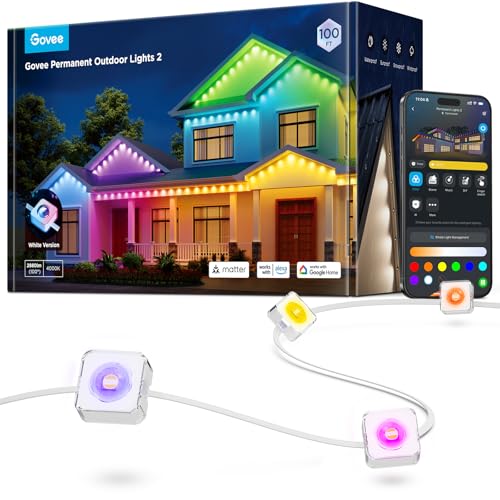
Smart lighting controllers have become affordable and reliable. A good smart transformer lets you schedule scenes, dim groups, and monitor power draw from your phone. Look for Wi-Fi or Zigbee connectivity, weather-rated enclosures, and compatibility with Alexa, Google Home, or Apple Home.
Pair smart control with motion sensors near driveways and side gates for security without glare. Daylight sensors (photocells) ensure lights only run from dusk to dawn, extending LED life and reducing electricity use. If you're also upgrading indoor efficiency, our air duct sealing guide complements exterior efficiency upgrades nicely.
Ready to Light Up Your Exterior?
Browse our curated selection of outdoor lighting products below — from pathway and landscape fixtures to security floodlights and smart controllers. Each product is chosen to balance durability, light quality, and value tier.
VIEW RECOMMENDED PRODUCTSFrequently Asked Questions
- How many lumens do I need for a pathway light? Aim for 50–150 lumens per fixture for gentle guidance. Higher output causes glare and ruins the layered look.
- Can I connect low-voltage lights to a standard outlet? Yes, through a transformer. Choose a transformer with at least 20% headroom above the total LED wattage.
- What's the best color temperature for outdoor lighting? 2700K–3000K warm white for most residential exteriors. 4000K is acceptable for security but looks cold near landscaping.
- Do I need a licensed electrician? Low-voltage (12V) systems are typically DIY-friendly. Line-voltage (120V) installations should be handled by a licensed electrician and may require a permit.
- How do I keep fixtures from corroding? Choose brass or 316 stainless steel in humid or coastal areas, and always use waterproof connectors.