Orbital Sanders: The Ultimate Guide
Master the art of smooth finishes. Compare top orbital sanders, understand key specs, and choose the perfect model for your woodworking projects.
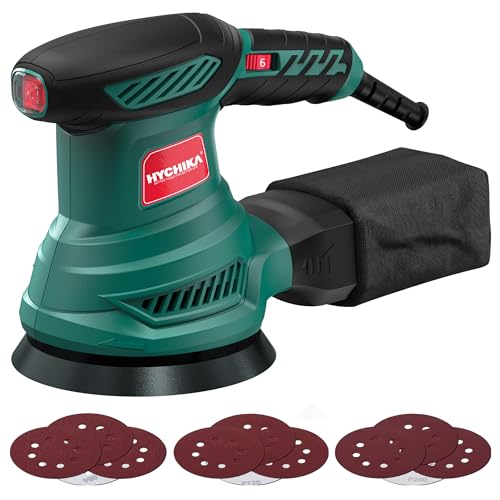
Explore Top Picks ↓Orbital sanders are the backbone of any well-equipped workshop. Whether you're a weekend DIY enthusiast or a professional furniture maker, a quality random orbital sander delivers fast material removal and a swirl-free finish. This guide breaks down everything you need to know — from essential tools and woodworking techniques to detailed reviews of the best models on the market.
What Makes a Great Orbital Sander?
⚡ Power & Speed
- Amps: 2.5–4.0A for most DIY models; 5.0A+ for professional use.
- OPM (Orbits Per Minute): 8,000 – 13,000 OPM — variable speed is a must.
- Orbit Diameter: 3/32″ (2.4mm) for fine finishing; 3/16″ (4.8mm) for aggressive stock removal.
🛠️ Ergonomics & Dust Collection
- Weight: 3–5 lbs – lighter reduces fatigue.
- Grip: Rubberized overmold and balanced design.
- Dust Port: Universal 1¼″ or 1½″ fits shop vacs.
- Filter/ Bag: HEPA options for fine dust capture.
🔧 Pad & Hook-and-Loop System
- Pad size: 5″ and 6″ are most common.
- Hook-and-loop: Quick paper changes, multiple grits.
- Pad brake: Stops spinning when lifted – prevents swirl marks.
🔇 Noise & Vibration
- Sound level: 75–85 dB – wear ear protection.
- Vibration: Look for models with counterbalance technology.
- Soft-start: Prevents jerking and improves control.
Orbital Sander Comparison Table
| Model | Amps | OPM | Pad Size | Dust Collection | Price |
|---|---|---|---|---|---|
| DeWalt DWE6423 | 3.0A | 12,000 | 5″ | Bag + Port | $99 |
| Bosch ROS20VSC | 2.5A | 7,500–12,000 | 5″ | Microfilter + Port | $79 |
| Makita BO5030 | 3.0A | 4,000–11,000 | 5″ | Bag + Port | $89 |
| Festool RO 125 FEQ | 4.2A | 6,000–12,000 | 5″ | Integrated + CT | $399 |
| Milestone (Generic) | 3.5A | 8,000–11,000 | 6″ | Port only | $129 |
How to Choose the Right Orbital Sander
When selecting an orbital sander, consider your primary application: fine finish work on furniture, or aggressive stripping of old paint. For general woodworking, a 5″ random orbital sander with variable speed (8,000–12,000 OPM) is the sweet spot. Pair it with high-quality sanding discs in grits from 80 to 220. If you work with large surfaces, a 6″ model saves time, but it's heavier and more expensive. Always check the dust port compatibility – connecting to a dust extractor keeps your workspace clean and improves visibility.
For professional use, invest in models with tool calibration and low vibration (e.g., Festool, Mirka). DIY enthusiasts will find excellent value in Bosch, DeWalt, or Makita. Remember to budget for extra sanding pads and safety gear like safety glasses and respirators.
Top 5 Features to Look For
- ✅ Variable speed control (8,000–13,000 OPM)
- ✅ Effective dust collection with HEPA option
- ✅ Hook-and-loop pad for quick disc changes
- ✅ Ergonomic rubber grip and balanced weight
- ✅ Pad brake to prevent swirl marks
📌 Related guides: Essential Tools • Woodworking Basics • Dust Collection Systems • Tool Storage Ideas • Workbench Plans
Ready to upgrade your workshop? Find the best orbital sander for your needs.
View Top Picks →