Scrapers: The Essential Guide for Paint Removal, Drywall & More
Master the art of scraping with our complete guide. Learn about different types of scrapers, their uses, and how to choose the best tool for your home improvement projects.
What is a scraper? A scraper is a versatile hand tool used for removing paint, smoothing drywall, scraping off adhesives, and cleaning various surfaces. Whether you're preparing walls for painting, removing old wallpaper, or refinishing furniture, having the right scraper can make your work faster and more professional.
Types of Scrapers and Their Uses
Paint Scrapers
Designed specifically for removing paint from wood, metal, and other surfaces. Available in various blade widths and shapes. Best for: Removing peeling paint, preparing surfaces for repainting, and stripping old finishes from furniture.
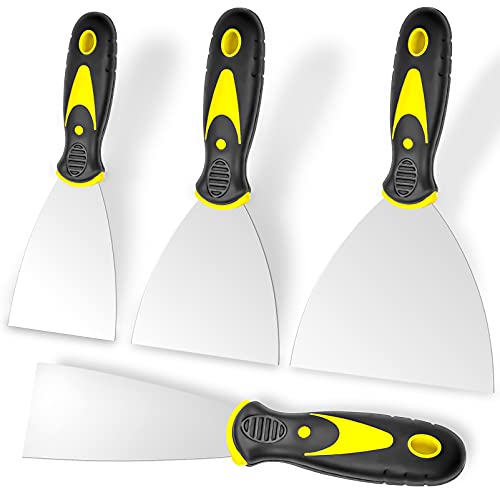
Drywall Scrapers
Wide-bladed tools used for smoothing joint compound and removing wallpaper. Best for: Taping drywall seams, applying and smoothing mud, and removing texture from ceilings and walls.
Putty Knives
Flexible blades used for applying and smoothing fillers, spackle, and caulk. Best for: Filling nail holes, repairing small cracks, and applying wood filler before painting.
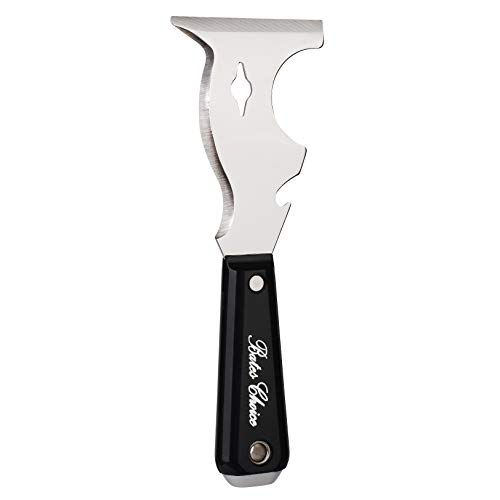
Multi-Purpose Scrapers
Versatile tools with replaceable blades or specialized edges for various tasks. Best for: Cleaning ovens, scraping stickers, removing gaskets, and general surface cleaning.
How to Choose the Right Scraper
Selecting the right scraper depends on your specific project. Here are key factors to consider:
- Blade Material: High-carbon steel blades hold an edge longer but may rust. Stainless steel is rust-resistant and ideal for wet applications. For paint removal, tungsten carbide blades offer exceptional durability and stay sharp longer.
- Blade Width: Narrow blades (1–2 inches) are perfect for detail work and tight corners. Wider blades (3–6 inches) cover more surface area, making them efficient for large flat surfaces like walls and floors.
- Handle Design: Ergonomic handles with soft grips reduce hand fatigue during long scraping sessions. Some models feature angled handles for better leverage and comfort.
- Blade Attachment: Choose between fixed-blade scrapers and models with replaceable blades. Replaceable blades are more cost-effective for heavy use.
- Specialized Features: Some scrapers come with built-in sharpeners, while others have unique edge shapes like curved blades for concave surfaces.
Pro Tips for Effective Scraping
Sharpening Your Scraper
A sharp scraper is key to efficient work. Learn how to maintain your blades using a sharpening stone or file. A properly sharpened scraper will remove material smoothly without gouging the surface. Check our guide on how to sharpen tools for detailed instructions.
Sanding vs. Scraping
While sanding is great for final smoothing, scraping is often faster and more effective for removing bulk material. Use scraping to remove layers of paint or glue, then finish with sanding for a smooth surface. For finishing touches, you might also need orbital sanders to achieve a flawless result.
Safety First
Always wear safety glasses when scraping to protect your eyes from flying debris. Consider wearing work gloves to protect your hands from sharp edges and splinters.
Common Home Projects Using Scrapers
- Removing Old Paint: Scrapers are indispensable for stripping paint from trim, furniture, and exterior surfaces.
- Drywall Preparation: Use a drywall scraper to smooth joint compound and create a seamless wall surface before painting.
- Removing Wallpaper: A wide scraper helps remove wallpaper and adhesive, preparing walls for new finishes.
- Fixing Scratches and Dents: Use a putty knife to apply wood filler or spackle to damaged surfaces.
- Window and Door Refinishing: Scrapers are great for cleaning old caulk and paint from window frames and door jambs.
Building Your Scraper Tool Kit
For most home improvement projects, having a variety of scrapers is beneficial. Start with a basic set that includes a 2-inch putty knife, a 4-inch drywall scraper, and a heavy-duty paint scraper with replaceable blades. As you tackle more projects, you can expand your collection to include specialty scrapers for specific tasks.
Tip: A complete toolkit often includes more than just scrapers. To complement your scraping work, consider having quality paint brushes for painting, paint rollers for larger areas, and drop cloths to protect your floors. Proper tool storage will also keep your scrapers in top condition.
Conclusion: Get the Best Scraper for Your Project
A quality scraper is an essential tool in any DIY enthusiast's arsenal. Whether you're working on a small home repair or a major renovation project, choosing the right scraper can save you time and deliver professional results. We hope this guide helps you make an informed decision and achieve the best possible outcome for your home improvement projects.
Looking for more DIY tips and techniques? Explore our guides to improve your skills and tackle new projects with confidence. For a broader range of tools, visit our tools and equipment section.