Woodturning: The Complete Guide to Tools, Techniques & Projects
Discover the art of woodturning. From selecting the right lathe and tools to mastering spindle and bowl turning, this guide helps you start or advance your woodturning journey with confidence.
Explore Recommended ToolsWhy Woodturning? Woodturning is one of the most rewarding woodworking disciplines. It combines creativity, precision, and craftsmanship to transform raw wood into functional art. Whether you're a hobbyist or a professional, this guide covers everything you need to know.
What is Woodturning?
Woodturning is a form of woodworking that involves shaping wood while it rotates on a lathe. Using specialized cutting tools, the woodworker creates symmetrical objects such as bowls, spindles, furniture legs, and decorative pieces. Unlike other woodworking techniques, woodturning requires a unique set of skills and equipment, making it a distinct and highly creative craft.
For beginners, woodturning offers an accessible entry point into woodworking. With a basic lathe and a few essential tools, you can start creating beautiful items almost immediately. If you're new to the craft, explore our woodworking guides to build foundational skills before diving into turning.
Essential Woodturning Tools
Choosing the right equipment is crucial for success in woodturning. Here's what you need to get started:
🛠️ Wood Lathes
The heart of any woodturning setup. Lathes vary by size, motor power, and speed control. For beginners, a midi lathe with variable speed is ideal. Prices range from $400–$1,200 for quality starter models.
- Benchtop lathes (compact, great for small projects)
- Floor-standing lathes (larger capacity, ideal for bowls and large spindles)
- Variable speed vs. belt-change models
🔪 Turning Tools (Chisels & Gouges)
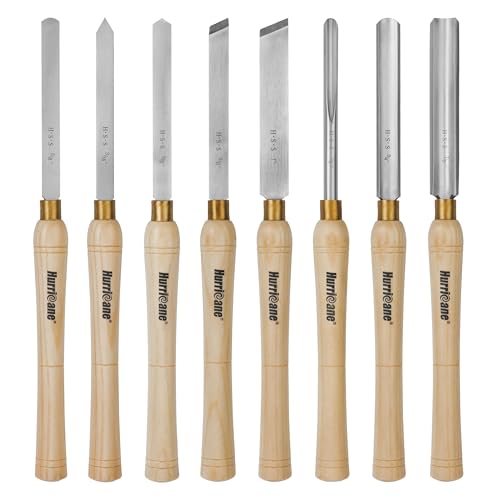
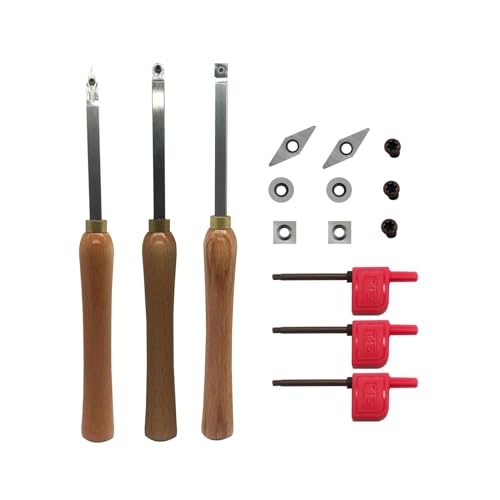
A good set of turning tools is essential. High-speed steel (HSS) tools are the standard. A basic set includes:
- Roughing gouge (for shaping)
- Spindle gouge (for detail work)
- Bowl gouge (for hollowing)
- Parting tool (for cutting off)
- Scraper (for smoothing)
Expect to pay $150–$400 for a decent starter set.
⚙️ Chucks & Accessories
Chucks hold your workpiece securely on the lathe. A four-jaw chuck is the most versatile. Other essential accessories include:
- Drive centers and live centers
- Faceplates for bowl turning
- Chuck jaws (different sizes for various projects)
Budget $100–$300 for a quality chuck system.
🛡️ Safety Gear
Safety is non-negotiable in woodturning. Always protect yourself with:
- Face shield or safety glasses
- Dust mask or respirator
- Hearing protection (ear muffs or plugs)
- Apron to catch chips
Check out our safety glasses and work gloves guides for more details.
Key Techniques to Master
Woodturning involves several fundamental techniques. Here are the core skills every turner should develop:
Spindle Turning
Turning wood between centers to create cylindrical shapes like table legs, pens, and tool handles. Essential for furniture making and small projects.
Bowl Turning
Creating hollow forms like bowls, cups, and vases. Requires a bowl gouge and proper technique to prevent catches and achieve smooth interiors.
Faceplate Turning
Mounting wood on a faceplate for larger, asymmetrical pieces like platters and shallow bowls. Provides greater stability for wide projects.
Sandling & Finishing
Sanding on the lathe and applying finishes like oils, waxes, or lacquers to bring out the wood's natural beauty. Proper finishing is key to a professional result.
For more in-depth techniques, including wood finishing and wood carving, explore our related guides.
Choosing the Right Wood
The type of wood you choose dramatically impacts your project's outcome. Hardwoods like maple, walnut, and cherry are popular for their durability and grain patterns. Softwoods like pine are easier to turn but less durable. Always consider the wood's moisture content and grain orientation.
Visit our wood selection guide for a comprehensive overview of species, characteristics, and best uses.
Beginner Woodturning Projects
Start with simple projects to build confidence. Here are some ideas for beginners:
- Wooden pens (a classic first project)
- Simple candle holders
- Tool handles (replace old ones)
- Small bowls or cups
- Garden dibbers or plant markers
Looking for more ideas? Check out our simple shelf plans or birdhouse plans for other woodworking projects.
Understanding the Cost of Woodturning
Woodturning can be a significant investment, but it's also a hobby that offers tremendous value. Here's a breakdown of typical costs:
| Item | Price Range |
|---|---|
| Starter Lathe (Benchtop) | $400–$900 |
| Intermediate Lathe (Floor-standing) | $1,200–$2,500 |
| Turning Tool Set (Basic) | $150–$400 |
| Chuck System | $100–$300 |
| Safety Gear (Face Shield, Dust Mask) | $50–$150 |
| Wood Blanks (per piece) | $10–$50 |
Prices are approximate and based on current market data. Always check for the latest deals and bundles.
Safety First: Best Practices
Woodturning can be dangerous if proper safety protocols aren't followed. Always:
- Wear a face shield and dust mask at all times.
- Ensure your lathe speed is appropriate for the workpiece size.
- Keep your tools sharp – dull tools cause catches and accidents.
- Never wear loose clothing or jewelry that could get caught.
- Secure your workpiece properly before starting.
For more safety tips, visit our electrical safety and home safety pages.
Ready to Start Your Woodturning Journey?
Woodturning is a deeply satisfying craft that allows you to create beautiful, functional objects from wood. Whether you're looking to produce custom furniture parts, decorative bowls, or unique gifts, the skills you develop will serve you for a lifetime.
Explore the products below to find the best tools and supplies for your projects. We've carefully selected a range of high-quality equipment to help you get started or upgrade your workshop.