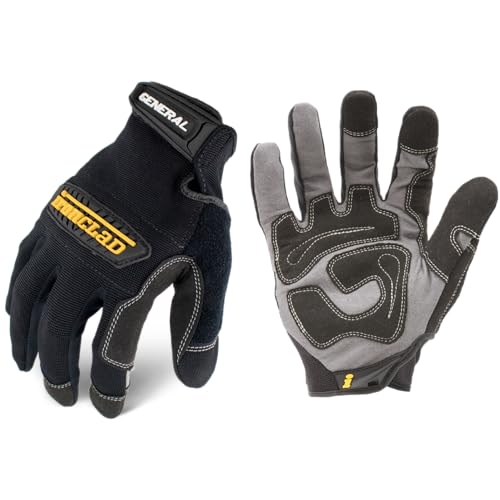
Work Gloves Guide: Protect Your Hands on Every Project
Find the perfect work gloves for DIY, woodworking, home improvement, and more. Learn about materials, safety ratings, and what to look for.
Shop Top Work GlovesWhy Work Gloves Matter: Your hands are your most valuable tools. Whether you're handling rough lumber, operating power tools, or performing detailed repairs, the right work gloves provide protection, grip, and comfort. This guide helps you choose the best pair for every task.
Understanding Work Gloves: Types and Materials
Work gloves are not one-size-fits-all. The best pair for you depends on the task. For general home improvement and woodworking, you'll want a balance of dexterity and protection. Woodworking often requires gloves that protect against splinters and abrasion while allowing precise control. For heavier tasks like handling rough materials or using circular saws, consider gloves with impact protection or cut resistance. Understanding the materials—from leather and synthetic leather to knit and coated fabrics—is key to making an informed choice.
When selecting work gloves, consider the environment. Are you working with home systems like plumbing or electrical? You might need gloves that offer insulation or are resistant to oils and chemicals. For outdoor projects or outdoor & garden work, durability and weather resistance become important. Remember, the right glove not only protects but also enhances your performance, reducing fatigue and improving grip.
Key Features to Look For
- Cut Resistance: Essential when handling sharp tools or materials. Look for gloves with a cut-resistance level (ANSI/ISEA).
- Grip & Dexterity: A textured palm and fingers are crucial for handling tools like screwdrivers and pliers securely.
- Impact Protection: For heavy-duty work, gloves with padded knuckles and back-of-hand protection can prevent injuries.
- Comfort and Fit: Gloves that fit well reduce hand fatigue. They should be snug but not too tight, allowing for natural movement.
- Breathability: For long hours of work, breathable materials like spandex or nylon with leather palms keep your hands cool and dry.
Choosing the Right Glove for Your Project
For detailed woodworking projects, such as joinery or using a router, you need gloves that offer a high level of tactile sensitivity. Thin, cut-resistant gloves with a snug fit are ideal. If you are doing general home improvement tasks like moving lumber or installing drywall, a more robust glove with reinforced palms and good grip is better. For tasks involving angle grinders or other power tools, ensure your gloves are not loose, as loose material can be caught in the tool.
Safety is paramount. Always wear safety glasses and consider ear protection in addition to your work gloves. For projects involving chemicals or paints, you might need specialized gloves. Refer to our guides on paint brushes and scrapers to see when glove choice matters for handling solvents. Remember, the right work glove is an investment in your safety and the quality of your work.
Related Guides: Explore our resources on tools & equipment, workbenches, and home improvement for more project insights.