Complete Dust Collection Guide for Woodworking & DIY Workshops
Master workshop dust control with our comprehensive guide covering dust collectors, cyclone systems, air filtration, and safety practices. Breathe cleaner air and work smarter.
Why Proper Dust Collection Matters
Every woodworking and DIY enthusiast knows that sawdust is an inevitable part of the craft. But fine dust particles—especially those smaller than 10 microns—pose serious health risks. Prolonged exposure can lead to respiratory issues, allergies, and more severe conditions. Beyond health, dust accumulation damages tools, reduces visibility, and creates fire hazards in your workshop.
Implementing an effective dust collection system is one of the most important investments you can make for your woodworking shop. A well-designed system captures dust at the source, keeps your workspace clean, and protects your lungs for years of enjoyable woodworking. Whether you're a hobbyist or a professional, understanding the options available will help you choose the right solution for your needs and budget.
💡 Key Insight: The average woodworker generates approximately 2-3 pounds of sawdust per hour of active work. Without proper collection, this fine dust remains suspended in the air for hours, eventually settling on surfaces and deep into your lungs. A quality dust collection system eliminates up to 99.5% of airborne particles, dramatically improving workshop air quality.
Types of Dust Collection Systems
Understanding the different types of dust collectors is essential for making an informed purchase decision. Each system has its strengths, and the right choice depends on your workshop size, budget, and the types of tools you use regularly.
🔧 Shop Vacuums
Portable and affordable, shop vacuums are the entry-level solution for dust collection. They work well for small tools like orbital sanders and circular saws. However, they lack the airflow and filtration capacity needed for larger stationary tools like table saws or jointers.
🔄 Single-Stage Dust Collectors
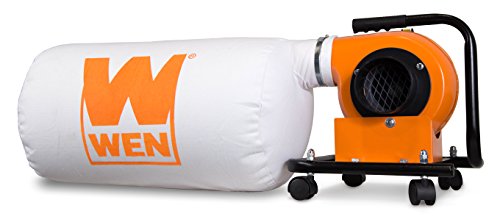
These are the most common type for home workshops. A single-stage collector uses a large impeller to pull dust through a filter bag or canister. They offer good airflow (500–1,200 CFM) and are suitable for most hobbyist setups. Starting from $400
🌀 Cyclone Dust Collectors
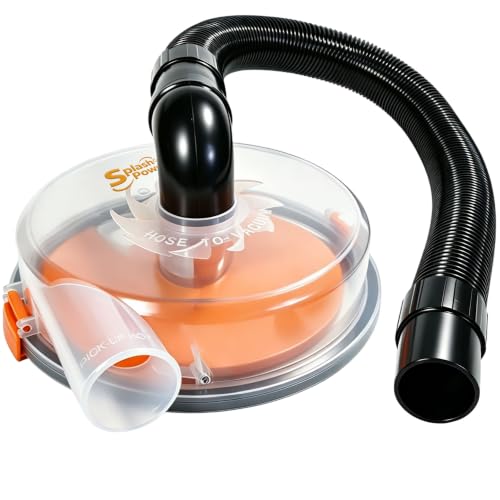
Cyclone systems use centrifugal force to separate coarse dust and debris before it reaches the filter. This pre-separation dramatically extends filter life and maintains consistent suction power. Ideal for serious woodworkers with multiple machines. $800–$2,500
For larger workshops or professional environments, two-stage cyclone dust collectors offer the best performance. These systems combine cyclonic separation with high-efficiency cartridge filters, capturing particles as small as 0.5 microns. While the initial investment is higher, the long-term benefits in air quality and tool longevity make them a worthwhile upgrade.
Key Factors When Choosing a Dust Collector
Selecting the right dust collector involves more than just picking the most powerful model. Consider these critical factors to ensure your system meets your workshop's needs:
1. Airflow (CFM – Cubic Feet per Minute)
CFM measures the volume of air your dust collector moves. As a rule of thumb, you need approximately 400 CFM for small portable tools, 600–800 CFM for table saws and jointers, and 1,000+ CFM for planers and wide belt sanders. Always check the CFM rating at the tool's connection point—not just at the blower—to account for pressure loss through hoses and fittings.
2. Static Pressure (Water Lift)
Static pressure determines how well your system can pull dust through hoses and ductwork. Higher static pressure is necessary for long duct runs or systems with multiple blast gates. Most home shop collectors offer between 8–12 inches of water lift, which is sufficient for shorter runs under 20 feet.
3. Filtration Efficiency
The filter is your primary defense against fine dust. Look for systems with MERV 15 or higher filtration ratings, or HEPA filters capable of capturing 99.97% of particles down to 0.3 microns. Pleated cartridge filters are more efficient and longer-lasting than standard bag filters. Always use a respirator as a backup safety measure, especially when sanding or working with exotic woods.
4. Portability vs. Fixed Installation
Portable units on wheels are ideal for small shops where you move the collector between tools. For larger, dedicated workshops, a fixed central system with permanent ductwork provides superior convenience and airflow consistency.
✅ Pro Tip: Upgrade your tool organization alongside your dust collection. Keeping tools clean and well-maintained extends their lifespan and ensures your dust collection system operates at peak efficiency. Consider adding a workshop lighting upgrade to spot dust accumulation more easily.
Ductwork & Essential Accessories
A dust collector is only as effective as its ductwork and accessories. Proper planning ensures optimal performance and makes the system a pleasure to use rather than a frustration.
Ducting Materials
- Metal Ducting (4″ or 6″ diameter): The most durable and static-safe option. Spiral or snap-lock pipe offers the best airflow with minimal friction.
- PVC Piping: An affordable alternative. Ensure you ground the system to prevent static electricity buildup that can ignite fine dust.
- Flexible Hoses: Essential for connecting tools to your main ductwork. Use short, straight sections where possible to minimize airflow resistance.
Essential Accessories
- Blast Gates: Control airflow to individual tools. Install at each branch to direct suction only to the tool you're using.
- Hose Clamps & Quick-Connect Fittings: Make tool switching fast and secure.
- Floor Sweep: A handy accessory for cleaning up floor dust without reaching for a broom.
- Dust Separator: A cyclone pre-separator (like a Dust Deputy) can be added inline to extend filter life significantly.
If you're building a new workshop from scratch, consider incorporating dust collection into your small shop ideas plan. Mapping out duct placement before installing walls and workbenches saves time and effort later.
Air Filtration Systems for Fine Dust
Even with the best dust collector, some fine dust inevitably escapes into the air. Ambient air filtration systems—also known as air cleaners or air scrubbers—complement your primary dust collection by continuously filtering airborne particles throughout your workshop.
These units typically use a two-stage filtration approach: a pre-filter captures larger particles, while a high-efficiency main filter (often HEPA or MERV 15+) captures fine dust. Look for models with a timer and remote control for convenient operation. A good air filtration system cycles the entire workshop air volume 4–6 times per hour.
Typical range: $250–$900 depending on coverage area (400–2,000 sq ft). For safety, combine your dust collection with proper electrical safety practices—ensure your system is connected to dedicated circuits to avoid overloading your workshop's electrical capacity.
Comparing Dust Collection Systems
To help you visualize the differences, here's a side-by-side comparison of the most common dust collection setups available for home and professional workshops:
| System Type | Airflow (CFM) | Filtration | Price Range | Best For |
|---|---|---|---|---|
| Shop Vacuum | 100–200 | HEPA optional | $100–$300 | Portable tools, small projects |
| Single-Stage 1HP | 500–700 | Bag (1–5 micron) | $400–$700 | Small hobby workshops |
| Single-Stage 2HP | 800–1,200 | Pleated cartridge | $700–$1,200 | Medium workshops, multiple machines |
| Cyclone 2HP | 1,200–1,600 | HEPA + cyclone pre-separator | $1,200–$2,000 | Serious woodworkers, large shops |
| Cyclone 3HP+ | 1,600–2,500+ | HEPA + cyclone with auto-clean | $2,000–$4,500 | Professional workshops, production |
* Prices are estimates and may vary based on brand, location, and additional accessories. Always check current pricing with retailers.
Installation & Maintenance Best Practices
Proper installation and regular maintenance keep your dust collection system running smoothly for years. Follow these guidelines to get the most out of your investment:
Installation Tips
- Plan your layout on paper first. Use the shortest, straightest duct runs possible to minimize friction loss.
- Use 6″ ducting whenever possible—it offers significantly more airflow than 4″ systems.
- Ground metal ducts to prevent static discharge. For PVC, wrap copper wire around the pipe and connect to a known ground.
- Install blast gates at each tool connection point. Only open the gates for tools in use.
- Secure all connections with quality hose clamps and seal duct joints with metal tape to prevent air leaks.
Maintenance Schedule
- Empty collection bags/drums when they're 75% full to maintain suction.
- Clean or replace filters according to the manufacturer's recommendations—at least every 6-12 months for heavy use.
- Inspect hoses and ducts monthly for blockages, tears, or loose connections.
- Check the impeller annually for debris buildup or damage.
- Monitor motor bearings for unusual noise or vibration—a sign of wear that needs attention.
🔧 Pro Maintenance Tip: Always wear a respirator and safety glasses when cleaning or maintaining your dust collection system. Dust trapped in filters and collection bins can be released into the air during maintenance, posing a health risk.
Dust Collection & Workshop Safety
Dust collection is fundamentally about safety. Wood dust is combustible, and fine dust in suspension can create explosion hazards in extreme conditions. Beyond explosion risk, the health impacts of wood dust exposure are well-documented and serious.
To maximize safety in your woodworking shop, combine effective dust collection with other essential safety practices:
- Always wear a properly fitted respirator with appropriate filters (P100 or N95) when sanding, cutting, or working with composite materials.
- Install a workshop lighting system that illuminates dust particles—this helps you see airborne dust and assess the effectiveness of your collection system.
- Keep a fire extinguisher rated for Class A, B, and C fires in your workshop. Fine dust can ignite from sparks created by tools or electrical faults.
- Use tool organization to keep your workspace clutter-free—reducing trip hazards and making cleaning easier.
- Invest in a quality ear protection as many dust collectors produce significant noise, especially when running at full power.
For those with existing respiratory conditions, consider using a powered air-purifying respirator (PAPR) for an added layer of protection. While more expensive, the benefits to your long-term health are invaluable.
Affordable Dust Collection Solutions
You don't need a professional-grade system to achieve good dust collection. For hobbyists or those on a tight budget, here are cost-effective approaches that still deliver meaningful results:
- Start with a shop vacuum and cyclone separator: A 4″ or 5″ cyclone attachment (like a Dust Deputy) added to your shop vacuum boosts separation efficiency and prevents clogged filters.
- Build a DIY downdraft table for sanding operations. This captures dust directly beneath the workpiece using a shop vac connection.
- Use a portable air cleaner alongside your primary collection. These units are affordable ($150–$400) and make a noticeable difference in air quality.
- Implement a "dust-free zone" strategy: Dedicate one area of your workshop for dusty operations and install a simple exhaust fan to vent dust outside.
Upgrading your tools and equipment over time allows you to scale your dust collection system as your workshop grows. Start with the basics, then gradually add components as your budget permits.
Budget-friendly DIY cyclone systems can be built for $200–$500 using readily available parts from hardware stores and online retailers.
Choose the Right Dust Collection System Today
Investing in a quality dust collection system is one of the smartest decisions you can make for your health, tools, and workshop productivity. With a clear understanding of the options, key specifications, and installation tips, you're now equipped to make an informed choice that fits your specific needs.
Remember, the best dust collector is the one that you use consistently. A less powerful system that you operate regularly is far more effective than a powerful system that feels like a chore to set up. Evaluate your woodworking habits, the types of projects you tackle, and your workspace constraints, then choose accordingly.