Patio Pavers: Complete Guide to Design, Installation & Cost
Transform your outdoor space with durable, beautiful patio pavers. Learn about materials, installation steps, design ideas, and budget planning.
START YOUR PATIO PROJECTWhy Choose Patio Pavers? Pavers offer unmatched durability, aesthetic versatility, and ease of maintenance. Whether you're creating an outdoor living area, walkway, or garden path, pavers provide a long-lasting solution that enhances your home's value and curb appeal.
What Are Patio Pavers?
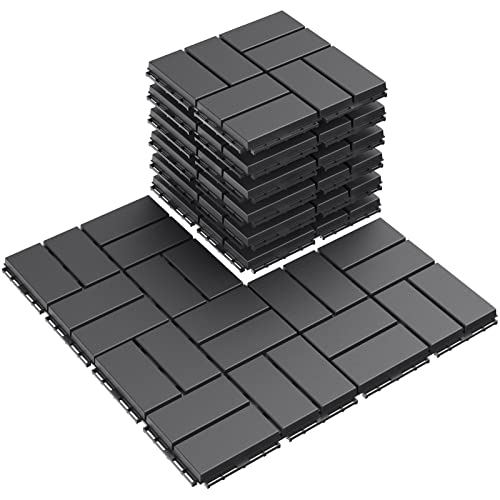
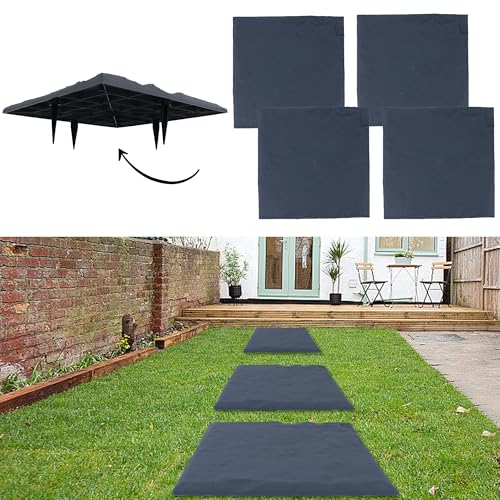
Patio pavers are interlocking units made from various materials—concrete, brick, natural stone, or porcelain—designed to create durable and visually appealing outdoor surfaces. Unlike poured concrete, pavers offer flexibility, allowing for easy repair and installation.
Choosing the right patio pavers is crucial for your outdoor living project. With proper planning, pavers can last decades and transform your yard into a functional, beautiful space.
Explore our comprehensive guide to understand every aspect of patio pavers, from material selection to maintenance, ensuring you make an informed decision.
Types of Patio Pavers
Understanding the different paver materials is essential for making the right choice for your project. Each material offers distinct advantages in terms of cost, durability, and aesthetics.
Concrete Pavers
Versatile, affordable, and available in numerous shapes, colors, and textures. Perfect for patios, walkways, and driveways.
Brick Pavers
Timeless charm with exceptional durability. Clay bricks offer rich colors that don't fade, ideal for traditional and rustic designs.
Natural Stone Pavers
Premium look with unique patterns. Granite, limestone, travertine, and slate offer natural beauty and long-lasting performance.
Porcelain Pavers
Low maintenance, stain-resistant, and available in wood or stone finishes. Ideal for modern designs and high-traffic areas.
Patio Paver Installation: Step-by-Step Guide
Installing patio pavers involves careful planning and execution. Follow these steps for a successful DIY project or to better understand what professionals do.
1. Planning and Design
Measure your area and choose a paver pattern. Consider the slope for proper drainage. Sketch your design and mark utilities before digging.
2. Excavation and Base Preparation
Excavate to the required depth (typically 8–12 inches). Add a compacted gravel base and a sand layer for a level foundation.
3. Installing Edging
Install edge restraints to keep pavers in place and prevent spreading.
4. Laying the Pavers
Lay pavers from a corner outward, cutting them as needed for edges and curves. Use a level to ensure flatness.
5. Sanding and Compacting
Spread polymeric sand over the pavers and sweep into joints. Compact with a plate compactor and then add more sand.
6. Sealing (Optional)
Apply a sealant to protect pavers from stains, weathering, and weed growth.
For more outdoor projects, explore our guides on outdoor living, walkways & paths, and fire pit builds.
Patio Paver Design Ideas
Creativity with pavers can elevate your outdoor space. Here are some design ideas to inspire your patio project.
- Herringbone Pattern: Classic and durable, ideal for high-traffic areas.
- Basket Weave: Offers a textured look that adds visual interest.
- Circular Layout: Perfect for fire pit areas or focal points.
- Multi-Color Mix: Combine different shades for a custom look.
- Border Accents: Use contrasting pavers to define edges or create patterns.
Pair your patio with a pergola for shade, outdoor furniture for comfort, and garden lighting for ambiance.
Patio Paver Cost Guide
Understanding costs helps you budget effectively. Prices vary based on material, area size, labor, and location.
| Material | Cost (per sq ft) | Pros | Cons |
|---|---|---|---|
| Concrete | $3–$8 | Affordable, versatile | Less natural look |
| Brick | $4–$12 | Classic, durable | More expensive |
| Natural Stone | $8–$25+ | Unique, premium | Costly, heavy |
| Porcelain | $6–$15 | Low maintenance, modern | Can be slippery |
Average Total Cost: A typical 400 sq ft patio costs $2,500–$6,000 depending on materials and labor. DIY can save 40–50% on labor costs.
For more budget insights, read our budget estimating guide and learn when to consider DIY vs. hiring a pro.
Maintaining Your Patio Pavers
Proper maintenance ensures your patio stays beautiful for years. Follow these tips to protect your investment.
- Regular Cleaning: Sweep debris and hose down pavers regularly.
- Weed Removal: Remove weeds from joints promptly to prevent root damage.
- Sealing: Apply a quality sealant every 2–3 years to protect against staining and weathering.
- Repairing: Replace damaged pavers individually as needed.
Learn more about cleaning hacks and home safety to keep your outdoor space in top condition.
Related Outdoor Projects
Enhance your outdoor living space with these complementary projects:
- Retaining Walls: Add structure and prevent soil erosion.
- Drainage Solutions: Manage water flow around your patio.
- Outdoor Kitchens: Create a complete entertaining area.
- Water Features: Add a fountain or pond for tranquility.
Explore our complete outdoor & garden section for more inspiration and guides.
Frequently Asked Questions About Patio Pavers
How long do patio pavers last?
With proper installation and maintenance, patio pavers can last 25–50 years or more. Materials like natural stone and brick are particularly durable.
Can I install patio pavers myself?
Yes! Many homeowners successfully DIY patio paver projects. However, proper base preparation is crucial for longevity. Consult our DIY for beginners guide to get started.
Do pavers crack like concrete?
No. Pavers are individual units that allow for natural expansion and contraction, minimizing cracking. If damage occurs, individual pavers can be replaced easily.
How do I prevent weeds between pavers?
Use polymeric sand in the joints, which hardens to prevent weed growth. Regular cleaning and sealing also help.
Are pavers slippery when wet?
Some materials can be slippery. Textured pavers, especially those with a rougher finish, offer better traction. Consider this when choosing materials for pool areas.
For more insights, visit our DIY tips and home improvement sections.
Final Recommendations
Choosing the right patio pavers is an investment in your home's value and your outdoor lifestyle. Consider your budget, design preferences, and maintenance commitment when selecting materials.
We recommend starting with a clear plan and exploring all options. Visit our recommended products below for high-quality tools and materials to start your project with confidence.