Window Film: The Complete Guide to Privacy, UV Protection & Heat Control
Transform your windows without replacement. Learn how window film blocks UV rays, reduces heat, adds privacy, and protects your interiors — and how to choose the right film for every room.
EXPLORE FILM OPTIONSWhy Window Film Matters: Windows are the weakest point in your home's thermal envelope. Standard glass lets in up to 70% of solar heat and nearly all UV radiation, causing fading, glare, and higher cooling demands. Window film is one of the most efficient retrofit upgrades available — it installs in hours, works with existing glass, and delivers measurable comfort and protection benefits across every room.
What Is Window Film and How Does It Work?
Window film is a thin, multi-layer polyester sheet — typically 1 to 7 mils thick — that adheres to the interior surface of glass. Each layer serves a purpose: scratch-resistant coatings on the outside, adhesive and UV absorbers in the middle, and reflective, dyed, or ceramic layers that determine performance. When applied correctly, the film becomes a functional part of the glazing system, altering how the glass transmits light, heat, and radiation.
The technology behind window film falls into three broad categories. Dyed films use pigment layers to absorb visible light and reduce glare, making them a solid choice for entry-level privacy needs. Metalized films deposit microscopic metal particles that reflect solar energy, delivering strong heat rejection for mid-range budgets. Ceramic films use nano-ceramic particles that selectively block infrared heat and UV without interfering with visible light or wireless signals — the top-tier choice for homeowners who want maximum performance without sacrificing clarity.
Beyond solar control, window film also serves decorative and safety roles. Frosted and patterned films create privacy in bathrooms and street-facing rooms. Safety and security films hold shattered glass together during impact, reducing injury risk and deterring break-ins. Anti-graffiti films protect glass from etching and can be replaced without touching the pane itself. For homeowners planning broader upgrades, pairing window film with window replacement decisions or window repair services ensures the glass itself is sound before film is applied.
Types of Window Film: Choose the Right Category
Not all window film is created equal. The right choice depends on your primary goal — privacy, UV protection, heat rejection, glare control, or safety — and on the type of glass you have. Below is a breakdown of the most common categories used in residential settings.
Solar Control and Heat Rejection Film
Solar films are engineered to reduce the amount of solar energy entering your home. They reflect or absorb infrared radiation (heat) and visible light, lowering indoor temperatures and easing the load on air conditioning. Entry-level dyed solar films absorb heat but can become saturated over time; mid-range metalized films reflect heat effectively; premium ceramic films offer the best balance of heat rejection and optical clarity. Homes with large west- or south-facing windows benefit most from this category. If you are also evaluating broader energy upgrades, our guide on home improvements that increase the value of your home covers how window treatments factor into resale appeal.
UV Protection Film
UV radiation is responsible for up to 99% of fading damage to wood floors, furniture, artwork, and textiles. UV-blocking films are formulated to reject 99% of UV rays while remaining nearly invisible. Clear UV films are an excellent choice for homeowners who want protection without changing the look of their windows. This category is especially relevant for sunrooms, galleries, and rooms with expensive furnishings. Consider pairing UV film with attic insulation and air sealing for a whole-home approach to energy efficiency and interior preservation.
Privacy Film
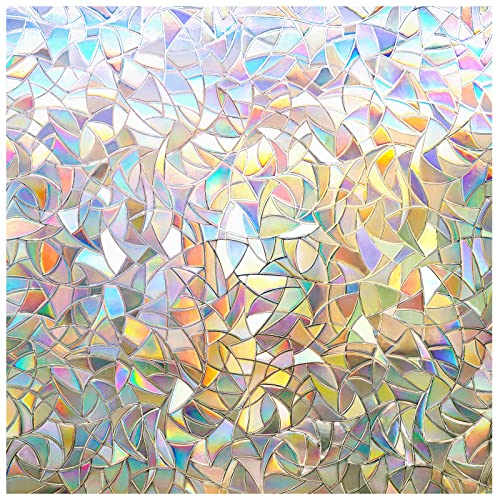
Privacy film comes in frosted, patterned, mirrored, and one-way variants. Frosted film is a popular choice for bathrooms, home offices, and glass doors — it diffuses light while blocking clear sightlines. Mirrored film creates a one-way mirror effect during daylight hours, but reverses at night when interior lighting is stronger. Decorative patterned films add visual interest to glass partitions and sidelights. For street-facing windows, privacy film is often more practical than window replacement services because it preserves existing glass and costs a fraction of replacement.
Safety and Security Film
Safety films are thicker (4 to 14 mils) and use strong adhesive systems that hold glass fragments together after breakage. They are recommended for glass doors, floor-to-ceiling windows, and homes in storm-prone regions. Security films add an extra layer of deterrence against forced entry. If your windows are older or damaged, addressing window repair needs before applying safety film is essential for proper adhesion and performance.
Decorative and Specialty Film
Decorative films include etched-glass looks, gradient designs, colored films, and whiteboard or blackboard surfaces for home offices and kids' rooms. Specialty films also include anti-graffiti and whiteboard-compatible options. These films are typically in the entry-level to mid-range tier and are popular for renters because they are removable without damaging glass.
Window Film Comparison by Tier and Best Use
The table below organizes common window film categories by market tier and best-fit application. Tier descriptors reflect relative positioning within the category, not absolute performance — a premium privacy film and a premium solar film serve different purposes.
| Film Category | Market Tier | Best For | Key Characteristics |
|---|---|---|---|
| Dyed Solar Film | Entry-Level | Glare reduction in bedrooms and living rooms | Absorbs visible light; darker appearance; shorter lifespan in high-sun exposure |
| Metalized Solar Film | Mid-Range | Heat rejection on west- and south-facing windows | Reflective particles; strong heat control; may affect Wi-Fi signal slightly |
| Ceramic Solar Film | Premium | Whole-home heat and UV control with clear views | Nano-ceramic technology; high heat rejection; signal-friendly; long warranty |
| Clear UV Film | Mid-Range | Furniture, flooring, and artwork protection | Blocks 99% UV; nearly invisible; preserves natural light |
| Frosted Privacy Film | Entry-Level | Bathrooms, glass doors, home offices | Diffuses light; obscures visibility; removable; renter-friendly |
| Mirrored Privacy Film | Mid-Range | Daytime privacy on street-facing windows | One-way mirror effect in daylight; reverses at night; strong solar control |
| Safety and Security Film | Premium | Glass doors, storm-prone homes, entry points | Thick construction; holds glass fragments; deters forced entry |
| Decorative Patterned Film | Entry-Level | Glass partitions, sidelights, rental upgrades | Etched, gradient, and colored designs; removable; no adhesive residue |
Benefits of Installing Window Film
Window film delivers a wide range of practical benefits that extend beyond simple tinting. Understanding these advantages helps you match the right film category to each room and set realistic expectations for performance.
Energy Efficiency and Cooling Comfort
Solar control film reduces the amount of heat entering through glass, which lowers indoor temperatures and reduces air conditioning runtime. In rooms with large windows, the difference in comfort is often noticeable within the first hour of installation. Homeowners pursuing broader energy upgrades should also review our guides on adding value to your home and home improvements that increase the value of your home to see how film fits into a whole-home strategy.
UV Protection for Interiors
Fading is cumulative and irreversible. Window film that blocks 99% of UV radiation protects hardwood floors, upholstery, curtains, and artwork from gradual deterioration. This is especially valuable in sunrooms, west-facing living rooms, and homes with large glass areas. For homeowners with valuable interiors, UV film is a long-term investment that preserves the appearance and lifespan of furnishings.
Privacy Without Losing Light
Frosted and decorative films provide privacy while still allowing diffused natural light into the room. This makes them ideal for bathrooms, ground-floor bedrooms, and home offices. Unlike curtains or blinds, film does not block airflow or take up window space, and it cannot be adjusted by people outside.
Glare Reduction
Glare from screens and televisions is a common complaint in rooms with large windows. Solar and glare-reduction films cut visible light transmission, making workspaces and entertainment areas more comfortable without completely darkening the room.
Safety and Security
Safety film holds broken glass in place, reducing the risk of injury from shattered panes during accidents, storms, or break-ins. This is a meaningful upgrade for glass doors, floor-to-ceiling windows, and homes with children or pets.
Key Advantages
- Works with existing glass — no window replacement needed
- Installs in hours, not days
- Blocks up to 99% of UV radiation
- Reduces heat and glare year-round
- Adds privacy without sacrificing daylight
- Renter-friendly removable options available
Limitations to Consider
- Not all films are suitable for double-pane or low-e glass
- Mirrored privacy reverses at night
- Improper installation causes bubbling and peeling
- Some films may affect Wi-Fi signal slightly
- Professional installation recommended for best results
Professional vs. DIY Window Film Installation
Installation quality determines how the film performs and how long it lasts. A professional installer prepares the glass, controls the environment, and uses techniques that eliminate bubbles and ensure proper adhesion. DIY installation is feasible for small, flat panes and simple decorative films, but high-performance solar and safety films are best left to trained professionals.
What Professional Installation Involves
A proper installation starts with a thorough glass cleaning using a squeegee and specialized solution to remove dust, oils, and residue. The installer measures and cuts the film to size, applies a slip solution, positions the film, and squeegees out air and excess water. Edges are trimmed precisely, and the film is left to cure for several days. Professionals also assess glass type, orientation, and existing coatings to avoid thermal stress or adhesion failures. If your windows have existing damage, schedule window repair before installation to avoid trapping moisture or debris under the film.
When DIY Makes Sense
DIY is a reasonable option for small frosted privacy films on bathroom windows, removable decorative films in rentals, and flat, accessible panes. Starter kits typically include a squeegee, cutting knife, and slip solution. The main risks are bubbles, misalignment, and edge lifting — cosmetic issues that are difficult to correct once the adhesive sets.
When to Hire a Pro
Hire a professional for large windows, arched or textured glass, double-pane and low-e windows, safety and security films, and any film application where warranty coverage matters. Professional installation is often required to validate manufacturer warranties on premium ceramic and safety films. If you are comparing window-related upgrades, our page on window contractors near you can help you evaluate local installation options.
How to Choose the Right Window Film
Choosing window film comes down to four questions: What problem are you solving? What type of glass do you have? How much visible light do you want to keep? And what level of durability do you need? Answering these questions narrows the field quickly.
Step 1: Identify Your Primary Goal
If heat and glare are the main issues, prioritize solar control film. If fading is the concern, choose a clear UV film. If privacy is the goal, select frosted or decorative film. If safety is the priority, choose thicker safety film. Many films combine functions, but identifying the primary goal prevents overpaying for features you do not need.
Step 2: Check Your Glass Type
Double-pane, triple-pane, low-e, and laminated glass all have specific film compatibility requirements. Some films can cause thermal stress in insulated glass units, leading to seal failure. Always confirm that the film is rated for your glass type, and consult the manufacturer's guidelines or a professional installer when in doubt.
Step 3: Understand Visible Light Transmission (VLT)
VLT describes how much visible light passes through the film. Higher VLT means a lighter, more transparent appearance; lower VLT means a darker tint. For living rooms, a mid-range VLT preserves natural light while reducing glare. For bedrooms, a lower VLT may be preferable. Frosted privacy films typically have very low VLT but diffuse light rather than darken the room.
Step 4: Match the Tier to Your Needs
Entry-level films are a practical choice for rentals, temporary privacy, and low-sun windows. Mid-range films offer a strong balance of performance and durability for most homes. Premium and luxury tiers — including ceramic and high-end safety films — are long-term investments for homeowners who want maximum performance, warranty coverage, and optical clarity. For larger renovation planning, our home renovation planning guide and budgeting for home renovations resources help you sequence window upgrades alongside other projects.
Step 5: Confirm Warranty and Installation Requirements
Premium films typically carry manufacturer warranties of 10 to 15 years or more, but coverage often depends on professional installation. Ask about warranty terms, glass compatibility, and whether the film is removable without damage. For homeowners assessing long-term value, window film is a durable, low-disruption upgrade that complements larger projects like whole-house renovation and home renovation work.
Window Film Care and Maintenance
Window film is low-maintenance but not maintenance-free. Proper care extends its lifespan and preserves optical clarity.
- Wait before cleaning: Allow 30 days after installation for the adhesive to fully cure before washing the glass.
- Use mild solutions: Clean with a mild soap and water solution or a film-safe glass cleaner. Avoid ammonia-based products, abrasive pads, and paper towels that can scratch the surface.
- Wipe gently: Use a soft microfiber cloth or a clean squeegee. Avoid pressing hard on edges, which can cause lifting.
- Inspect edges periodically: Check for peeling or bubbling, especially in high-humidity rooms. Address small issues early to prevent larger failures.
- Avoid sharp objects: Keep furniture, toys, and cleaning tools away from the film surface to prevent punctures and scratches.
With proper care, quality residential film can last well over a decade. For homeowners managing broader maintenance schedules, our seasonal maintenance checklist is a useful companion for keeping windows and other exterior systems in good condition.
Ready to Upgrade Your Windows?
Window film is one of the most practical, low-disruption improvements you can make to your home. Explore recommended products below and compare options by tier, category, and best use.
VIEW RECOMMENDED FILMSFrequently Asked Questions About Window Film
What is window film and how does it work?
Window film is a thin, multi-layer polyester sheet applied to glass surfaces. It works by reflecting, absorbing, or filtering specific portions of the solar spectrum, including UV rays, visible light, and infrared heat. Different film types use different technologies — from simple dyed layers to advanced ceramic and metallic coatings — to achieve privacy, UV protection, glare reduction, or heat control.
Can window film be applied to double-pane windows?
Yes, but with important caveats. Double-pane and triple-pane windows trap heat between panes, and some films can cause thermal stress that leads to seal failure or glass breakage. Always choose films explicitly rated for insulated glass units (IGUs) and consult a professional installer. Low-e coated glass and some laminated windows may also require specific film formulations.
How long does window film last?
Quality residential window films typically last 10 to 20 years when professionally installed and properly maintained. Entry-level dyed films may last 5 to 10 years, while premium ceramic and high-end tier films often carry manufacturer warranties of 15 years or more. Durability depends on film type, sun exposure, glass orientation, and installation quality.
Does window film reduce UV damage to furniture and floors?
Yes. Most quality window films block 99% of UV radiation, which is the primary cause of fading and discoloration in wood floors, upholstery, artwork, and curtains. UV-blocking films are one of the most effective and least intrusive ways to protect interior furnishings without sacrificing natural light.
Can I install window film myself?
DIY window film installation is possible for small, flat panes and simple decorative or privacy films. However, large windows, arched glass, textured surfaces, and high-performance solar films are best left to professional installers. Improper installation can cause bubbling, peeling, and reduced performance, and may void manufacturer warranties.
What is the difference between privacy film and solar film?
Privacy film is designed primarily to obscure visibility, using frosted, patterned, or mirrored surfaces. Solar film focuses on rejecting heat, blocking UV rays, and reducing glare while maintaining visibility. Many modern films combine both functions, but understanding your primary goal helps you choose the right product tier and specification.
Related Window and Home Improvement Guides
Window film is often part of a larger home improvement plan. If you are evaluating window upgrades alongside other projects, these guides provide useful context and next steps:
- Window replacement — when film is not enough and full replacement makes sense
- Window repair — fixing damaged glass before applying film
- Window replacement services — comparing professional service options
- What renovations increase the value of a home — how window upgrades fit into resale value
- Home improvements that increase the value of your home — broader upgrade strategy
- Whole-house renovation — integrating window film into a larger renovation plan