
Window Replacement: A Complete Guide to Upgrading Your Home Windows
Everything you need to know before replacing your windows — from choosing the right frame material and glass type to understanding the installation process and picking a reliable contractor.
Why replace your windows? Windows are one of the most important components of your home's envelope. They affect energy efficiency, indoor comfort, curb appeal, and even your property value. Whether you're dealing with drafty old units, foggy double-panes, or simply want a modern look, a well-planned window replacement project can deliver lasting returns. This guide walks you through every decision — so you can move forward with confidence.
Signs Your Windows Need Replacing
Not every window problem requires a full replacement. Sometimes repairs are enough. But when these symptoms appear, replacement is usually the more sensible long-term path:
- Drafts and cold spots near windows during winter — a sign that seals or frames have failed.
- Fogging or condensation between panes — indicates a broken seal in insulated glass units.
- Difficulty opening, closing, or locking — warped frames or worn hardware that can't be fixed reliably.
- Visible rot, cracks, or water damage on wood frames or sills.
- Rising energy bills that can't be explained by rate changes alone.
- Excessive outside noise penetrating the interior.
- Outdated style that drags down your home's curb appeal.
If you're planning broader upgrades, consider how window replacement fits into home improvements that increase the value of your home. New windows consistently rank among the upgrades that deliver strong returns at resale.
Types of Replacement Windows
The right window style depends on your home's architecture, the room's function, and your ventilation and maintenance preferences. Here are the most common options:
Double-Hung Windows
Both sashes slide up and down, allowing ventilation from top or bottom. Easy to clean and a classic fit for traditional homes.
Casement Windows
Hinged on one side and crank outward. Excellent ventilation and a tight seal when closed — ideal above sinks or in tight spaces.
Awning Windows
Hinged at the top and open outward. Can stay open during light rain and pair well with fixed windows for a contemporary aesthetic.
Picture / Fixed Windows
Non-operable windows that maximize natural light and views. Often combined with operable units in larger window assemblies.
Sliding Windows
Sashes glide horizontally on tracks. Simple to operate and a natural fit for wider openings and patio-facing walls.
Bay & Bow Windows
Project outward to create extra interior space and add architectural interest. Great for living rooms and dining areas.
Choosing Frame Material
Frame material affects durability, maintenance, insulation, and appearance. Here's how the main options compare:
| Material | Tier | Best For | Maintenance |
|---|---|---|---|
| Vinyl | Entry-level to mid-range | Low-maintenance homes, humid climates | Minimal — wipe clean |
| Fiberglass | Mid-range to premium | Extreme temperatures, long-term durability | Low — resists warping |
| Aluminum | Entry-level to mid-tier | Modern designs, large window openings | Low — but poor insulation unless thermally broken |
| Wood | Premium to luxury | Historic and high-end homes, interior beauty | Regular painting or staining required |
| Wood-Clad | High-end tier | Wood interior with weather-resistant exterior | Low exterior maintenance, occasional interior care |
| Composite | Premium | Homeowners wanting wood look with modern durability | Low — resists rot and moisture |
For most homeowners, vinyl and fiberglass offer the best balance of durability and low maintenance. Wood and wood-clad remain the choice for premium renovations where interior aesthetics are a priority. If your project is part of a larger home renovation, coordinating window style with trim and siding will keep the exterior cohesive.
Glass Options and Energy Efficiency
The glass package you choose has a major impact on comfort and energy performance. Key considerations include:
- Double-pane vs. triple-pane: Double-pane is the standard for most homes. Triple-pane offers superior insulation for extreme climates or noise reduction but adds weight and cost.
- Low-E coatings: Reflect heat back into the room in winter and block solar heat in summer — a worthwhile upgrade in most climates.
- Argon or krypton gas fill: Improves insulation between panes. Argon is common; krypton performs better in thin cavities.
- U-factor and SHGC: Lower U-factor means better insulation. Solar Heat Gain Coefficient (SHGC) controls how much heat from sunlight enters — choose based on your climate zone.
- Tempered glass: Required by code near doors, low windows, and in bathrooms for safety.
Energy-efficient windows can reduce heating and cooling loads, which pairs well with upgrades like attic insulation and air sealing in the attic to maximize whole-home efficiency.
The Window Replacement Process
Understanding the installation sequence helps you plan and set realistic expectations. Here's how a typical project unfolds:
-
Assessment and Measurement
A contractor inspects existing windows, checks for structural issues, and takes precise measurements. Decisions are made about full-frame vs. pocket (insert) replacement.
-
Ordering and Lead Time
Custom windows typically take several weeks to manufacture. Standard sizes may be available sooner. Confirm delivery dates and schedule installation accordingly.
-
Preparation and Removal
Old windows, trim, and sometimes frames are removed. The opening is inspected for rot or damage, and repairs are made before new units go in.
-
Installation and Sealing
New windows are set, leveled, and secured. Insulation and flashing are applied, followed by interior and exterior trim. Proper sealing is critical for energy performance and moisture control.
-
Finishing and Cleanup
Caulking, painting, and hardware adjustment complete the job. The crew cleans up and walks you through operation and maintenance.
If you're hiring a professional, compare quotes from several window replacement services and check references. A reputable window contractor near me search can connect you with local specialists who understand regional code requirements and climate considerations.
DIY vs. Professional Installation
Window replacement is rarely a beginner-friendly DIY project. Improper installation can lead to water infiltration, drafts, and voided manufacturer warranties. Consider the trade-offs:
- Professional installation: Ensures proper flashing, sealing, and code compliance. Most manufacturers require certified installers for warranty coverage.
- DIY replacement: Possible for handy homeowners replacing same-size units in sound openings, but requires specialized tools, two people, and comfort working at height.
- Hybrid approach: Hire a pro for installation and handle interior trim and painting yourself to reduce project scope.
For most homeowners, professional installation is the safer and more reliable choice — especially for second-story windows or full-frame replacements.
How to Choose a Window Replacement Contractor
The quality of installation matters as much as the windows themselves. Use these criteria when evaluating contractors:
- Licensing and insurance: Verify state or local licensing and confirm liability and workers' comp coverage.
- Experience and references: Ask for recent local projects and follow up with past clients.
- Written estimates: Detailed scope, product specifications, timeline, and payment schedule in writing.
- Warranty terms: Understand both manufacturer and labor warranties, including duration and coverage.
- Communication: Responsive, clear answers to your questions are a good sign of professional service.
If your window project is part of a broader upgrade, you may also want to review home remodeling contractors who can coordinate multiple trades. Budgeting for the project alongside other renovations is easier with a clear home renovation planning guide.
Do New Windows Increase Home Value?
Yes. Replacement windows are consistently cited among the home improvements that increase property value. Buyers value energy efficiency, low maintenance, and updated curb appeal. New windows also improve comfort and reduce outside noise, which can make a home more appealing during showings. For a broader look at which upgrades deliver the strongest returns, see what renovations add the most value to a home.
Maintaining Your New Windows
A few simple habits extend the life of your investment:
- Clean glass and tracks regularly with mild soap and water.
- Lubricate hinges, locks, and sliding tracks annually.
- Inspect caulking and weatherstripping each season and repair as needed.
- Check for condensation between panes — a sign of seal failure.
- Touch up paint or finish on wood and wood-clad frames promptly.
Frequently Asked Questions
Recommended Window Replacement Tools & Supplies
⚠️ AFFILIATE DISCLOSURE: This website contains affiliate links. As an Amazon Associate, we earn from qualifying purchases. If you make a purchase through these links, we may receive a small commission at no additional cost to you. Read our full affiliate policy.

NOTASA Vinyl Single Hung Sliding Window 30" x 54" White | Household Window with Double-Pane Insulated Tempered Glass, White Energy-Efficient Soundproof Window for House, Mobile Home
Check price on Amazon
NOTASA Vinyl Single Hung Sliding Window 24" x 36" White | Household Window with Double-Pane Insulated Tempered Glass, White Energy-Efficient Soundproof Window for House, Mobile Home
Check price on Amazon
NOTASA Vinyl Single Hung Sliding Window 32" x 36" White | Household Window with Double-Pane Insulated Tempered Glass, White Energy-Efficient Soundproof Window for House, Mobile Home
Check price on Amazon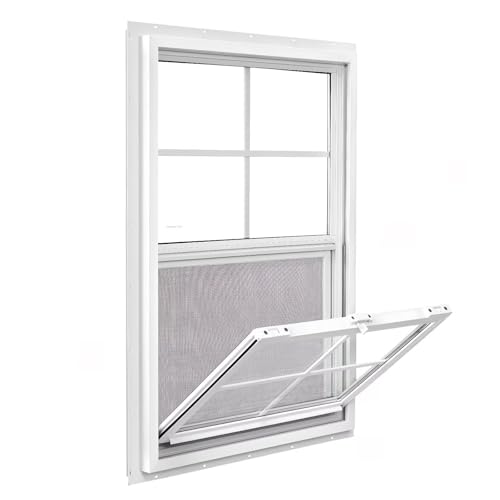
COLORPAPA 24"W x 36"H Vinyl Single Hung Window, White | Household Window with Double-Pane Insulated Tempered Glass, Lower Tilt Sash Screen Included Window for House, Mobile Home
Check price on Amazon
NOTASA Vinyl Single Hung Sliding Window 24" x 30" White | Household Window with Double-Pane Insulated Tempered Glass, White Energy-Efficient Soundproof Window for House, Mobile Home
Check price on Amazon
COLORPAPA 36"W x 48"H Vinyl Single Hung Window, White | Household Window with Double-Pane Insulated Tempered Glass, Lower Tilt Sash Screen Included Window for House, Mobile Home
Check price on Amazon
COLORPAPA 30"W x 36"H Vinyl Single Hung Window, White | Household Window with Double-Pane Insulated Tempered Glass, Lower Tilt Sash Screen Included Window for House, Mobile Home
Check price on Amazon
Windows Screen and Screen Door Repair Kit, 48"x118" Charcoal Fiberglass Mesh with Rolling Tool/Hook/Ruler/Cutter/Spline - Window Screen & Sliding Screen Door Replacement for Windows, TOOLTRIZ
Check price on AmazonReady to Start Your Window Replacement Project?
Use this guide to plan with confidence. Compare window types, choose the right frame material for your climate, and hire a qualified contractor to ensure a lasting installation.
Explore Window Replacement Services